Douglas Paul Perkins ↗ · CC BY 3.0 ↗ · WebP
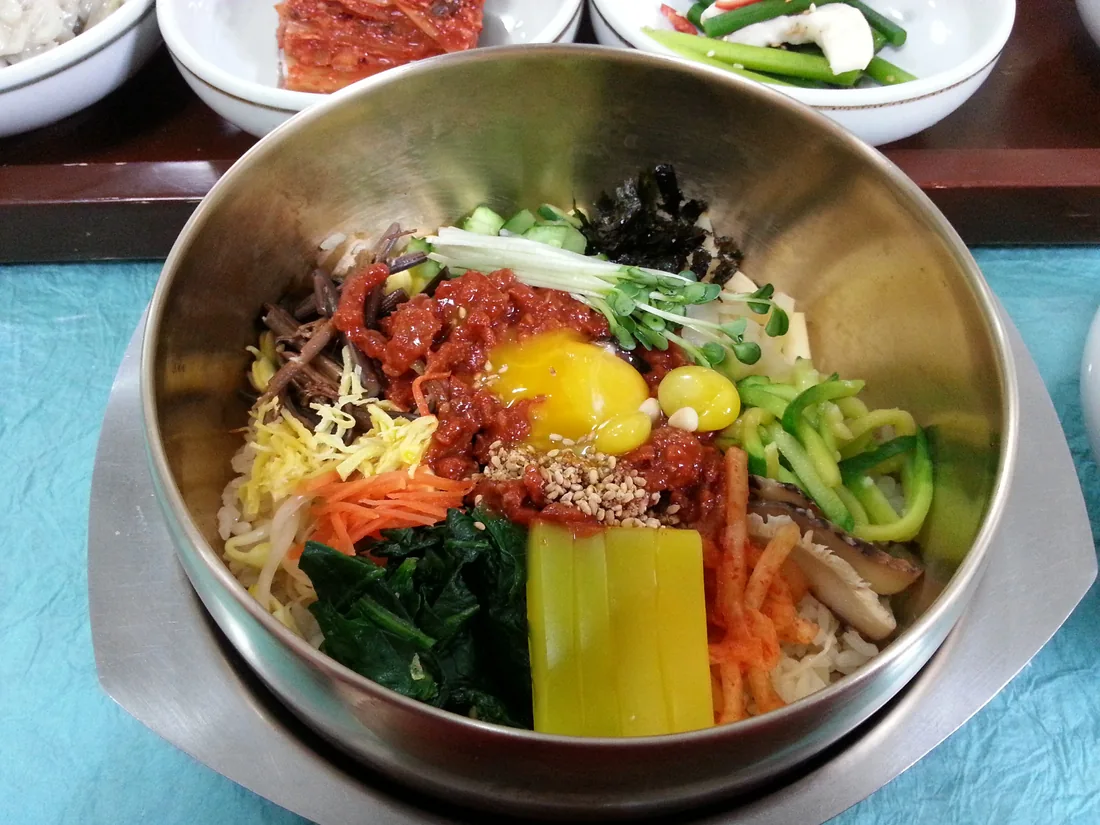
비빔밥
밥과 여러 고명을 비벼 먹는 음식입니다. 포함 재료를 확인하고, 매운 정도를 조절하고 싶다면 양념을 따로 요청하세요.
자세히 보기 →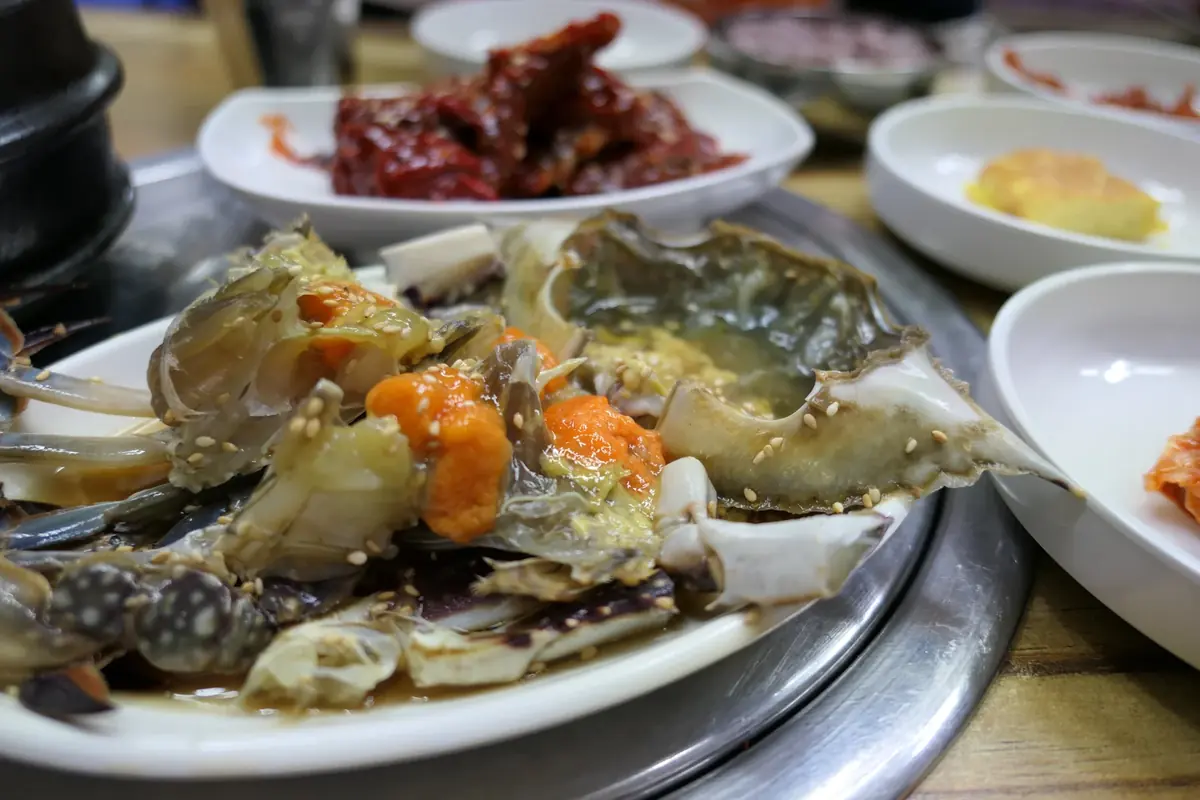
K-FOOD / GANJANG GEJANG
KOREA / FOOD & DINING
먹고 싶은 음식과 지역을 고른 뒤, 방문할 식당의 최신 안내를 확인하세요.
공식 정보 확인: 2026년 11월 4일. 아래 확인 범위는 연결된 공식 안내와 명시된 업소 사례이며, 기존 맛집 목록 전체의 영업 여부를 뜻하지 않습니다.
밥과 여러 고명을 비벼 먹는 음식입니다. 포함 재료를 확인하고, 매운 정도를 조절하고 싶다면 양념을 따로 요청하세요.
자세히 보기 →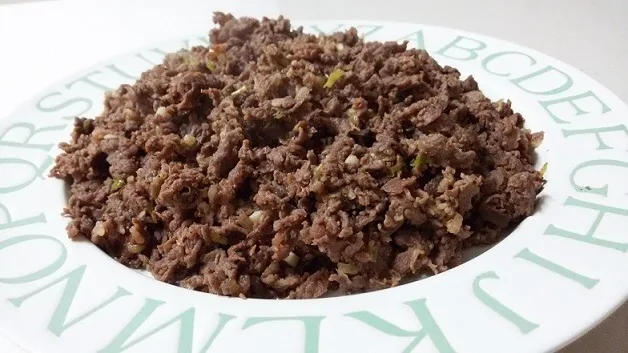
지역마다 조리 방식이 다릅니다. 사진은 언양식 바싹불고기 예시이며, 실제 식당의 고기 종류·양념·제공량을 확인하세요.
자세히 보기 →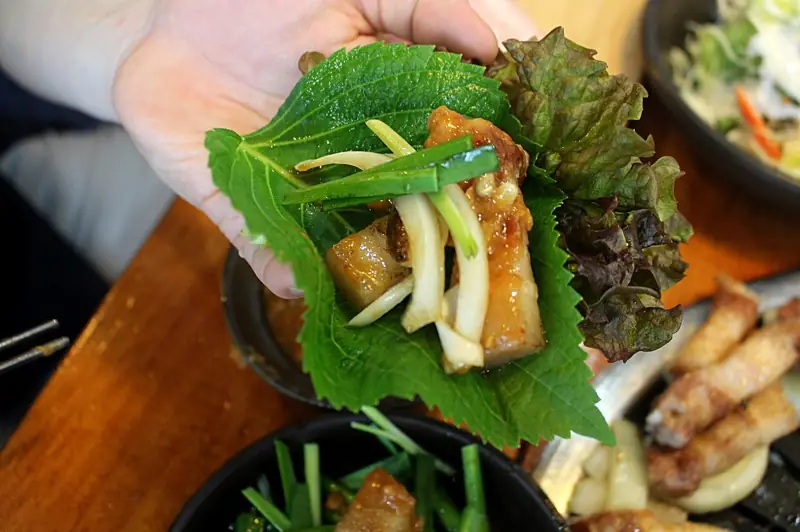
구운 삼겹살을 잎채소에 싸 먹습니다. 최소 주문량, 고기를 굽는 방식, 밥과 추가 메뉴의 별도 요금을 확인하세요.
자세히 보기 →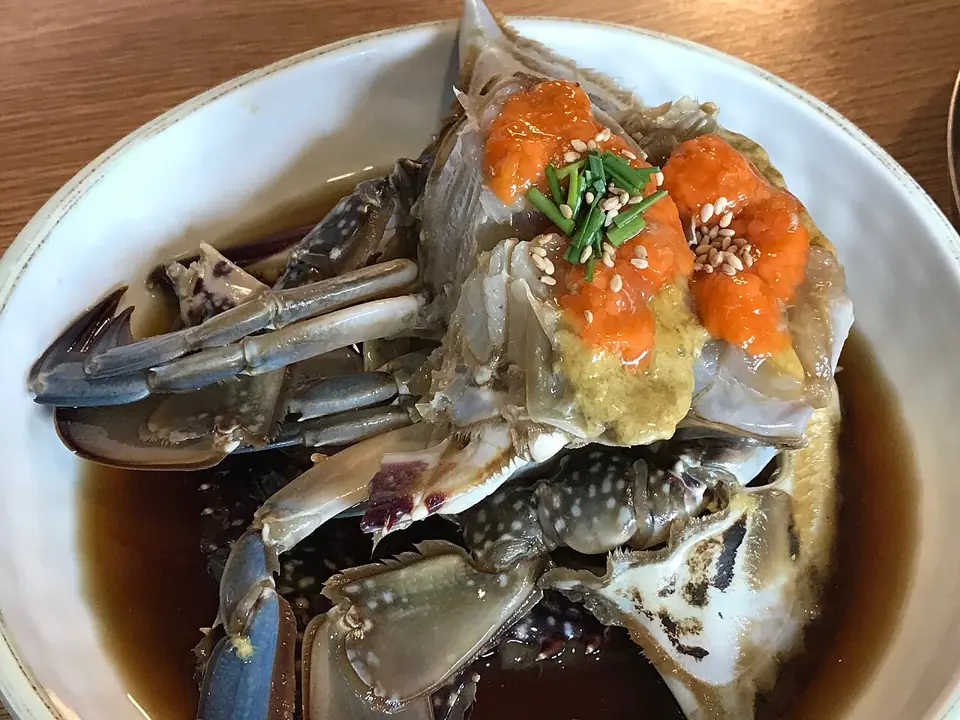
익히지 않은 게를 간장에 절인 음식입니다. 날해산물을 먹지 않는다면 익힌 메뉴를 고르고, 정식에 포함되는 구성을 확인하세요.
자세히 보기 →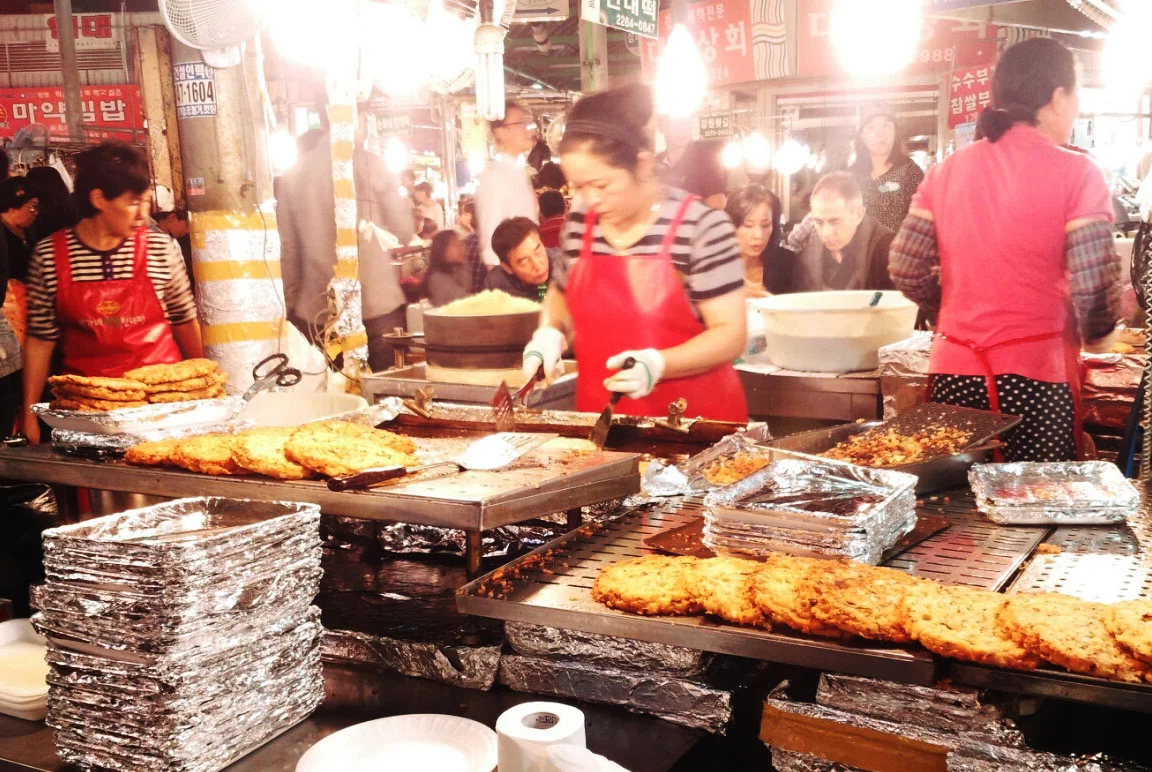
주문 전에 표시 요금과 양을 확인하세요. 재료와 자리 이용·반찬·추가 비용이 있는지도 물어보세요.
자세히 보기 →사진은 음식의 예시 또는 과거 시장 풍경입니다. 오늘의 메뉴·요금·영업 상태를 보장하지 않습니다. 원본 화면과 출처 표기를 유지했습니다.
기존 지역별 맛집 목록을 살펴본 뒤, 정확한 지점·영업시간·브레이크타임·마지막 주문·예약 규정을 직접 확인하세요.
1인·1인분·한 상 중 어떤 기준의 요금인지, 최소 주문량과 추가 요금은 얼마인지 주문 전에 확인하세요.
덜 맵게 조리하거나 양념을 따로 받을 수 있는지 물어보세요. 미리 만든 양념은 변경이 어려울 수 있습니다.
주문 전에 피해야 할 재료를 정확히 알리세요. 육수·소스·공용 조리도구 사용도 확인하세요. 음식 이름이나 채식 표기만으로 알레르기 적합성을 판단할 수는 없습니다.
식당 안내문과 직원 안내를 따르세요. 물·반찬·주문·결제 방식은 셀프서비스 또는 테이블 서비스 등 식당마다 다릅니다.
한국관광공사 안내에 따르면 한국 전화번호 없이 가입할 수 있습니다. 예약·원격 대기 지원은 식당마다 다르니 목록과 보증금·취소 조건을 확인하세요. 대기 등록은 테이블 예약 확정과 다릅니다.
공식 안내 보기 ↗운영자는 온라인 예약을 캐치테이블로 안내하며 브레이크타임과 마지막 주문 시간을 구분해 게시합니다. 방문일의 공식 예약 페이지를 확인하세요. 한 업소의 사례이며 모든 식당의 공통 규칙은 아닙니다.
공식 안내 보기 ↗K-FOOD · 17 REGIONS
From Jeonju bibimbap to Chuncheon dakgalbi, discover a local flavour for your next stop.
Hover over a photo to see it larger. On a phone, tap to open it.
FROM INTEREST TO EXPERIENCE
Turn a food photograph into a meal you can order, then an area you can explore.
Read the practical guide →HANGANG · 한강
Choose a park and pickup zone, check ordering and payment options, and keep a takeaway alternative ready. Continue with a riverside walk.
Follow the 10-picture picnic guideChoose a Han River park →Compare Gwangjang, Myeongdong and Mangwon before choosing a neighbourhood.
Explore food areas →Keep our cooking videos handy, then explore the regional dishes and destination guides below.
Cooking videos →Regional food guides →JEONJU · BIBIMBAP
Jeonju is known for bibimbap with bean sprouts, colourful toppings and yellow mung-bean jelly. Recipes differ by kitchen; a hot stone bowl describes the serving style, not a separate guarantee of a traditional Jeonju recipe.
A regional preparation with rice, seasoned vegetables and varied garnishes. Broth, meat and egg may be included; vegetables alone do not make the bowl vegetarian.
A heated stone bowl or pan can crisp the rice underneath. The first cooking reference uses a cast-iron pan. Take care with the hot vessel.
Includes raw beef. Ask for a cooked-beef version if preferred; do not assume the rice will cook the topping.
These are places to compare, not a ranked list. Confirm the exact branch, menu, opening hours, last orders and prices before travelling.
01 · JEONJU
가족회관
전주시 완산구 전라감영5길 17
Jeonju bibimbap with an assortment of side dishes. Check the meat and egg preparation when ordering.
02 · JEONJU
성미당
전주시 완산구 전라감영5길 19-9
Traditional bibimbap and yukhoe bibimbap. Yukhoe means raw beef; choose carefully if you want cooked meat.
03 · JEONJU
한국관 본점
전주시 덕진구 기린대로 425
Traditional bibimbap with broth-cooked rice and yellow mung-bean jelly. This main branch is in Deokjin-gu; do not confuse it with a Hanok Village location.
Restaurant references checked 29 September 2026. Ingredients, opening arrangements and prices can change.
SEAFOOD · K-FOOD
Thin slices of raw fish, often served with lettuce or perilla leaves, garlic, sauces and side dishes. Try modeum hoe (모둠회) for an assortment, gwang-eo hoe (광어회) for flatfish, or mulhoe (물회) for raw fish in a chilled, tangy broth.
Ask which fish is available and confirm the price and portion size before ordering. At a seafood market, also check whether preparation, table seating and side dishes cost extra.
Dip a piece in soy sauce with wasabi, or try cho-gochujang, a sweet-spicy vinegar sauce. Wrap it in a leaf if you like. If you do not eat raw fish, ask for a cooked seafood dish instead.
Show this phrase: “모둠회 1인분 가능해요? 가격과 추가 비용을 알려주세요.” Can I order one portion of assorted raw fish? Please tell me the price and any extra charges.
BUSAN / FOOD & TRAVEL
Nampo/Yeongdo for market snacks; Dongnae/Oncheonjang for Nocheon eel; Yongho-dong for Hapcheon soup. These are separate stops, so check the metro/bus or taxi route rather than trying to walk between them.
Nocheon eel · exact branch · Korean ordering phrases · Busan travel guide
Guide sources · checked 3 October 2026: Visit Busan · pork soup · Visit Busan · food tour · Visit Busan · eomuk
 Enlarge photo
서울
서울
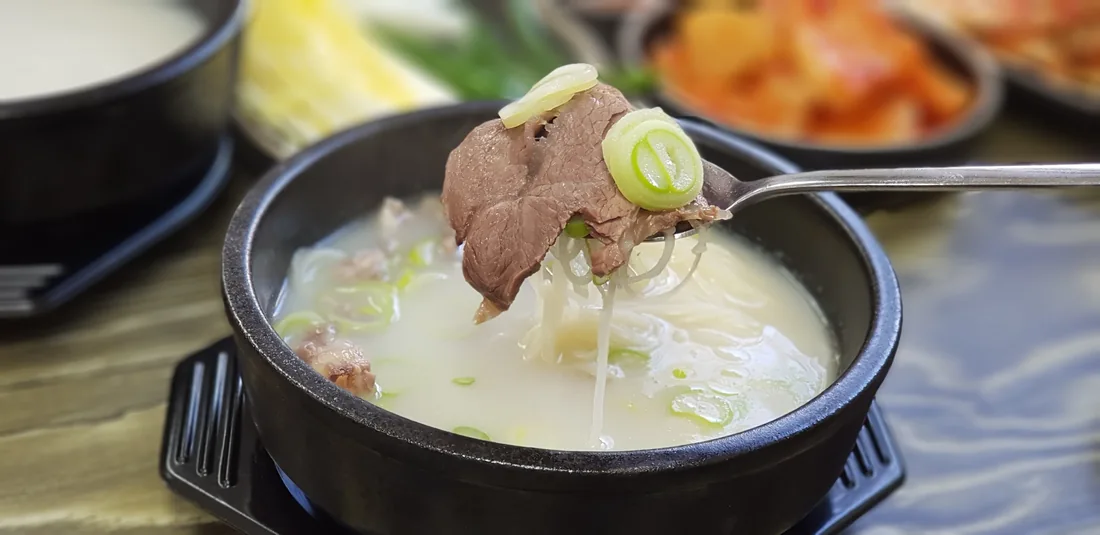
A gentle, milky ox-bone soup served with beef and rice. This Seoul classic makes a comforting meal between palace visits and neighbourhood walks.
At the table Taste the broth first, then add a little salt, pepper or spring onion to your liking.
 Enlarge photo
인천
Incheon Chinatown
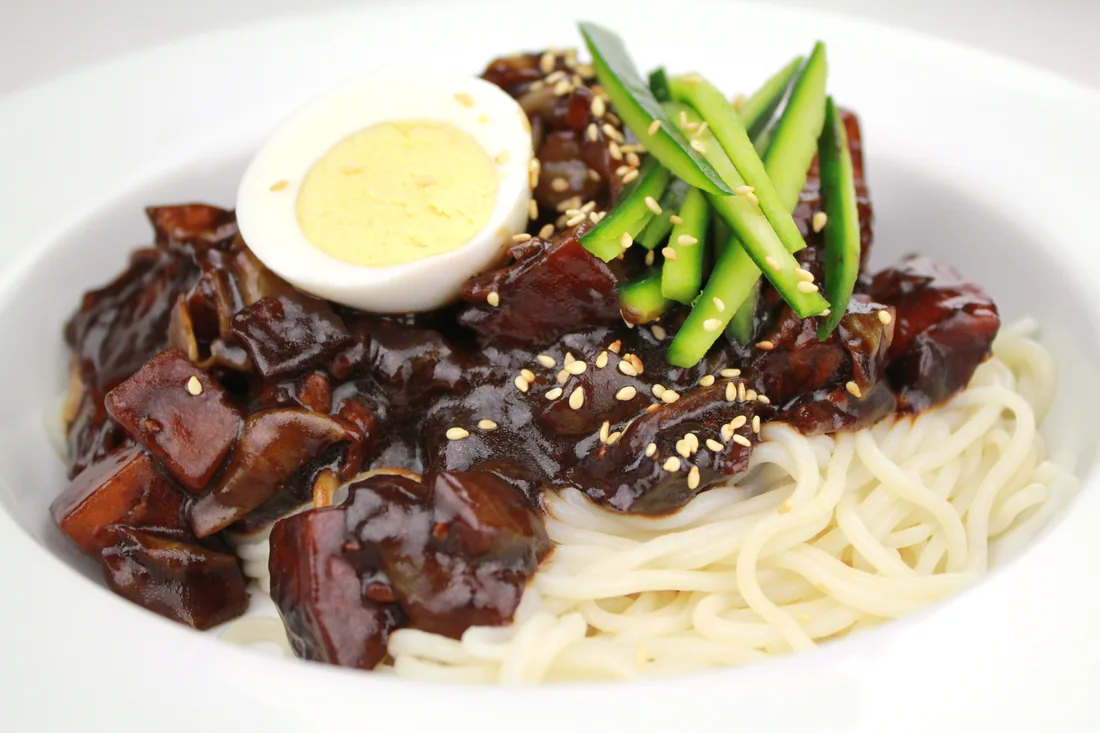
Noodles coated in a glossy black bean sauce, usually with onion and pork. Incheon’s Chinatown is closely associated with the beginnings of this Korean-Chinese favourite.
At the table Mix the sauce through the noodles. Pickled yellow radish provides a crisp contrast.
 Enlarge photo
Wei-chieh Chiu / Wikimedia Commons · CC BY-SA 2.0
사진 출처 · Resized; WebP.
경기
Suwon
Generous beef ribs are the centrepiece of Suwon’s barbecue tradition. Restaurants offer both lightly seasoned ribs and richer marinated versions.
At the table Enjoy the grilled meat with rice and leafy wraps. Check whether the menu lists a minimum order for barbecue.
 Enlarge photo
강원
춘천
Chicken, cabbage, sweet potato and rice cakes cook together in a spicy sauce on a broad hot plate. Chuncheon’s Myeongdong Dakgalbi Street is a well-known place to try it.
At the table Ask about the spice level before ordering. Fried rice made in the remaining sauce is a popular finish.
 Enlarge photo
대전
대전
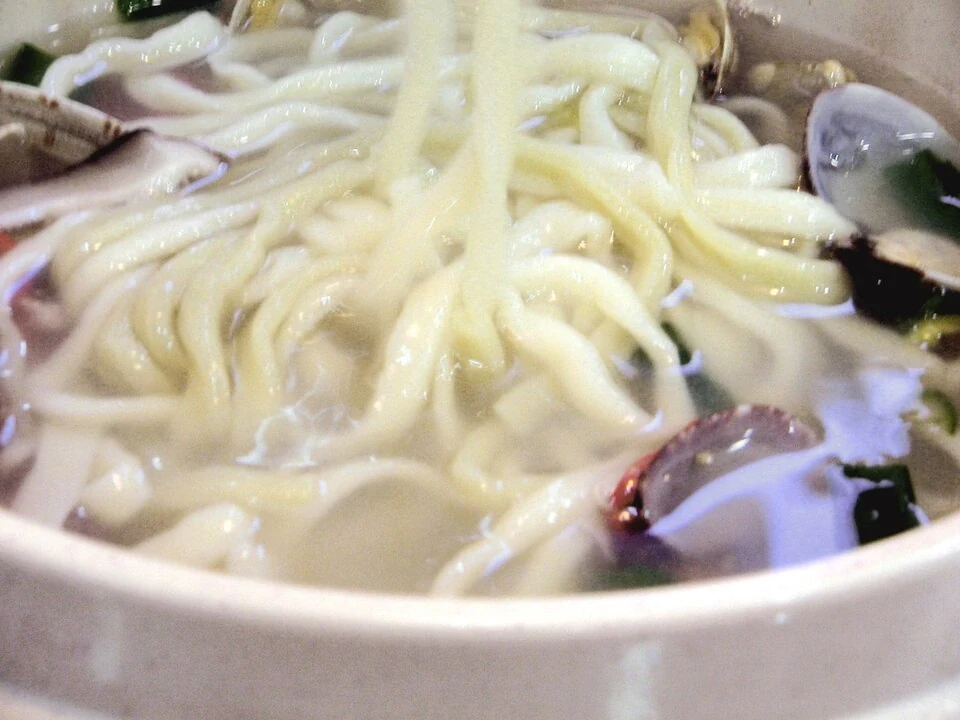
Soft, knife-cut wheat noodles served in a warming broth. Daejeon has a strong kalguksu tradition, with versions ranging from beef-bone and anchovy broths to spicy noodle dishes.
At the table Choose a mild soup or ask about a spicy version. Some restaurants also serve dubu duruchigi, a spicy tofu dish.
 Enlarge photo
Jack Dykinga, USDA / Wikimedia Commons · Public domain (USDA)
사진 출처 · Resized; WebP.
세종
Jochiwon
A seasonal fruit stop: Jochiwon is known for its peaches and celebrates them with a summer festival. Look for locally grown fruit when visiting Sejong in the warmer months.
At the table Enjoy fresh peaches as a picnic dessert. Ask the seller which fruit is ready to eat that day.
 Enlarge photo
충북
Cheongju
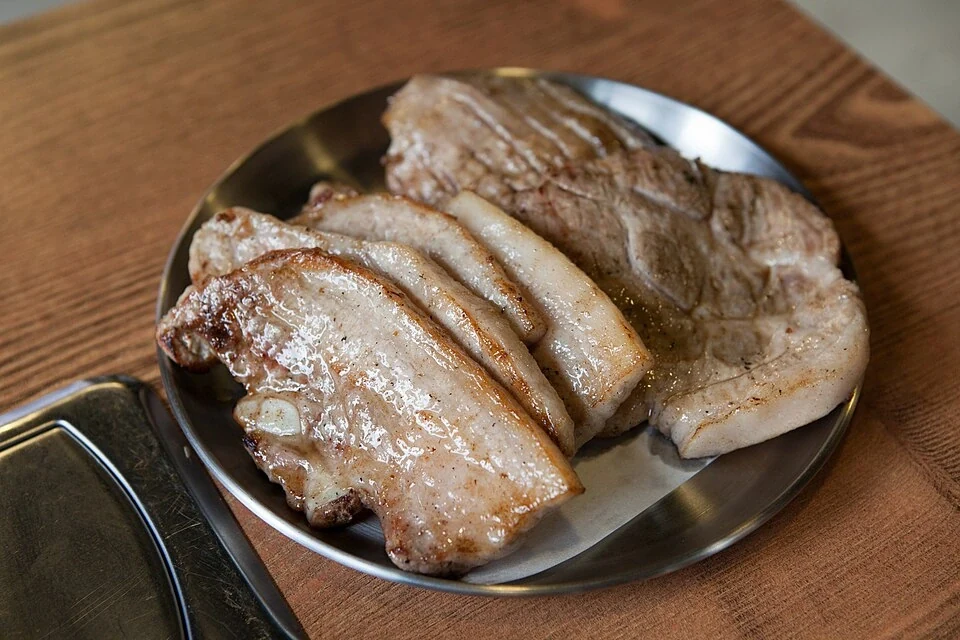
Cheongju’s take on grilled pork belly is celebrated in Seomun Market’s Samgyeopsal Alley. Local versions include soy-seasoned meat paired with a lively spring-onion salad.
At the table Make a small lettuce wrap with a piece of pork and a little scallion salad.
 Enlarge photo
parkyang1021 / Wikimedia Commons · CC BY 2.0 KR
사진 출처 · Resized; WebP.
충남
Cheonan
Small walnut-shaped cakes with walnut pieces and sweet bean filling. These travel snacks are strongly associated with Cheonan and are easy to share on a train journey.
At the table Try a few freshly baked cakes, or buy a small box to enjoy later with tea.
 Enlarge photo
대구
대구
Grilled pork offal with a chewy texture and browned edges. Daegu is famous for makchang, often served with a dipping sauce flavoured with chilli and chives.
At the table Try a small portion with the house dipping sauce. Anjirang’s food alley is a useful starting point.
 Enlarge photo
ecodallaluna / Wikimedia Commons · CC BY-SA 2.0
사진 출처 · Resized; WebP.
경북
경주
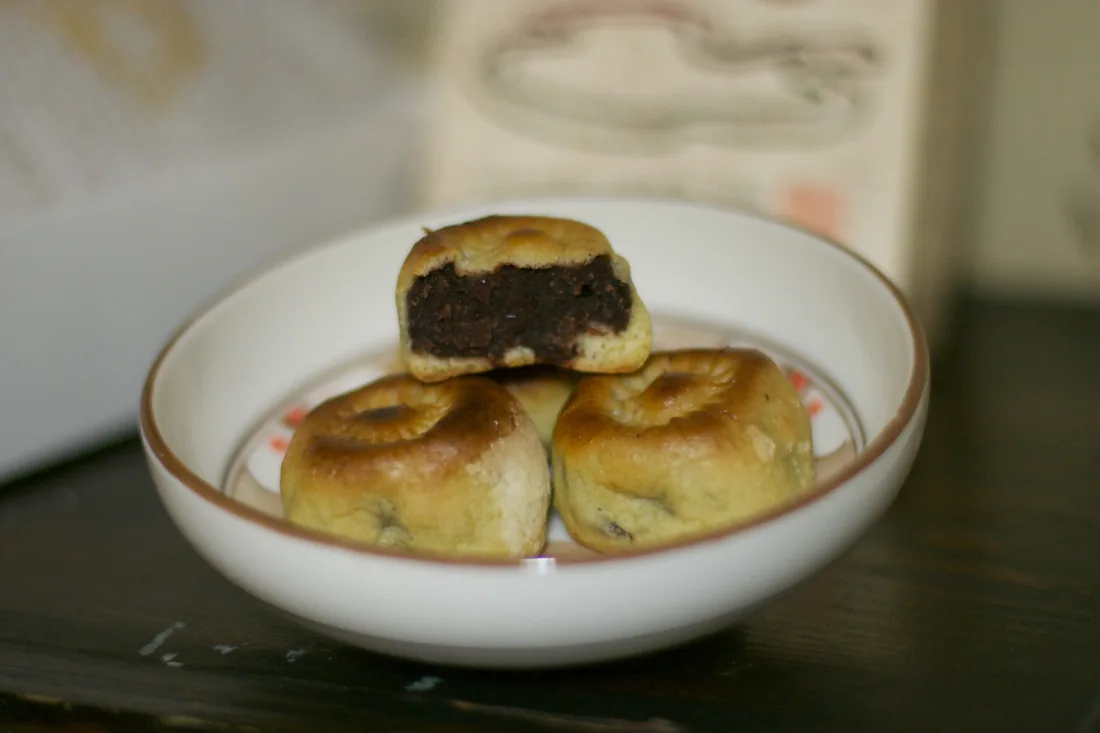
Gyeongju’s small golden pastries have a thin outer layer and a generous red-bean filling. They make an easy sweet stop while exploring the city’s historic centre.
At the table Enjoy with tea or coffee, or choose a takeaway box as a local souvenir.
 Enlarge photo
부산
부산
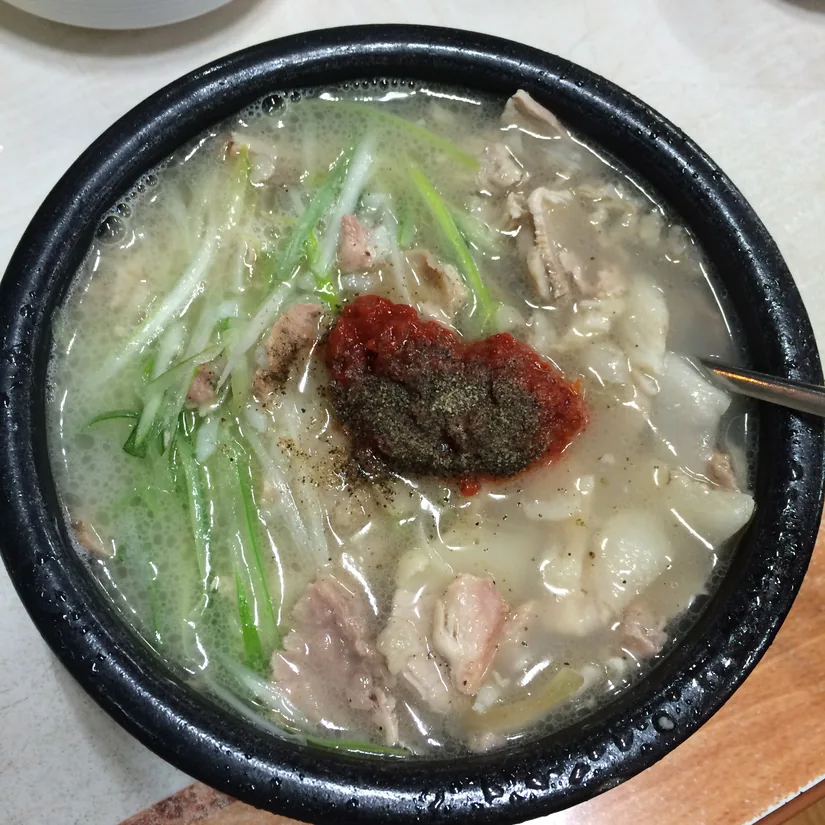
Pork and rice soup is one of Busan’s signature meals. Slices of pork sit in a rich broth, with rice served in the bowl or alongside it depending on the restaurant.
At the table Taste before adding salted shrimp or spicy seasoning. Seomyeon’s pork-soup alley is a good area to explore.
Enlarge photo울산
Eonyang
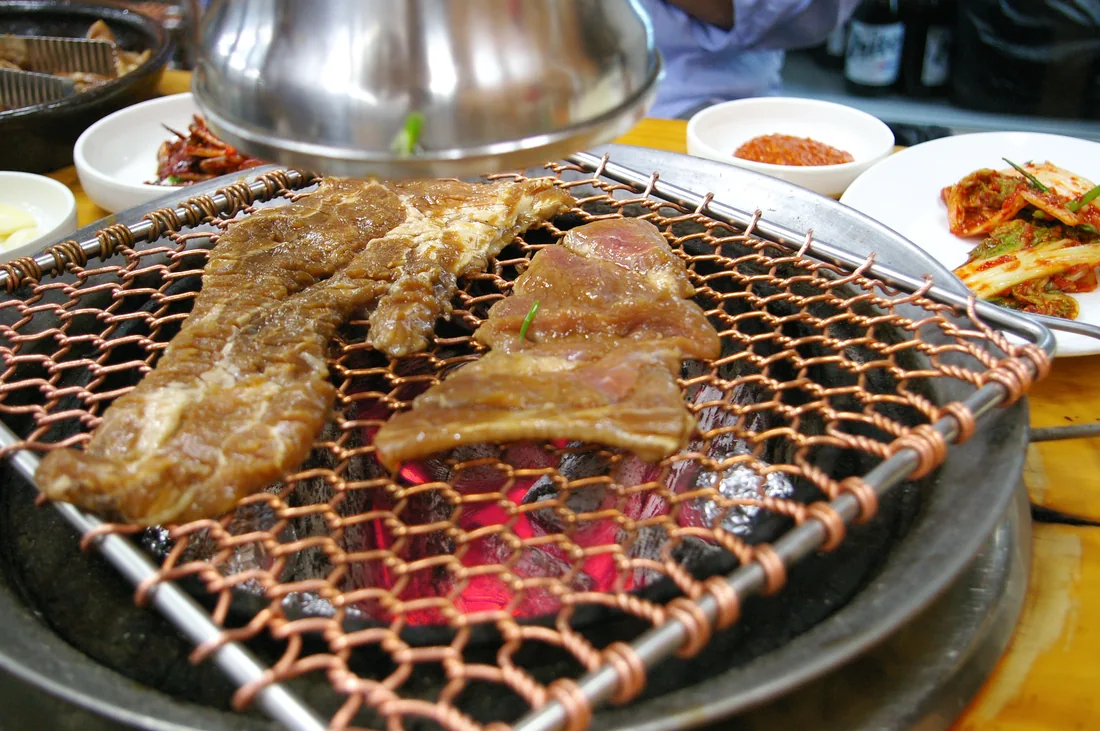
Seasoned beef is spread broadly and cooked over a grill. Eonyang’s style is known for its savoury, smoky character, with the beef served without a pool of broth.
At the table Pair the beef with rice, spring onion and leafy wraps. Ask which set menus are available.
 Enlarge photo
경남
통영
Bite-sized seaweed rolls contain plain rice, while spicy squid and radish kimchi are served separately. The dish takes its name from Chungmu, the former name of Tongyeong.
At the table Alternate the mild rice rolls with small bites of the spicy side dishes.
 Enlarge photo
Minseong Kim / Wikimedia Commons · CC BY-SA 4.0
사진 출처 · Resized; WebP.
광주
Songjeong-dong
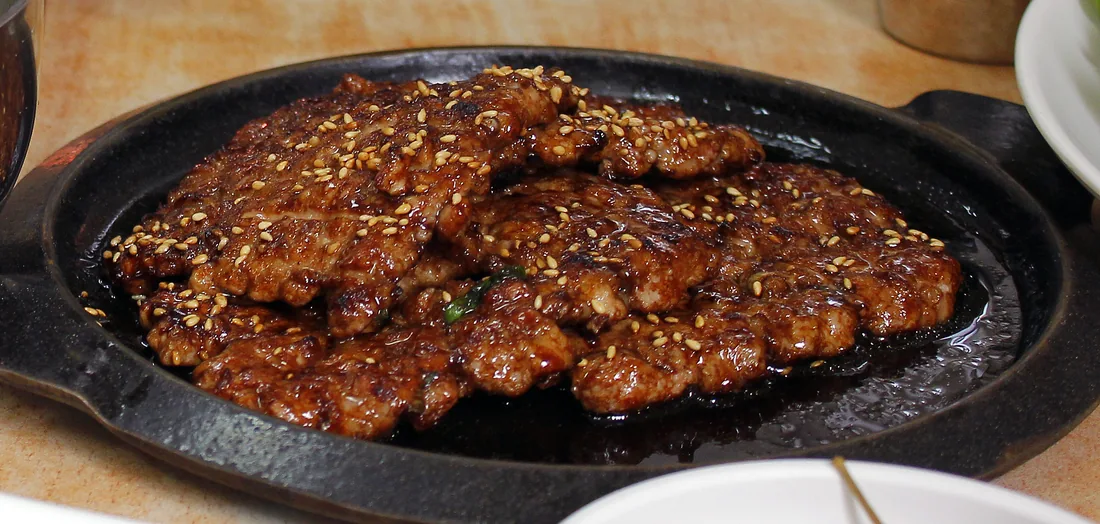
Tender, seasoned meat patties grilled until browned. Songjeong-dong’s version commonly combines beef and pork, and the neighbourhood has a street dedicated to the dish.
At the table Order with rice and share the accompanying side dishes. The patties are made from meat despite the rice-cake reference in their name.
Enlarge photo전북
전주
Warm rice topped with colourful vegetables, beef and other garnishes, then mixed with red chilli paste. Yellow mung-bean jelly is a distinctive ingredient in many Jeonju versions.
At the table Mix the toppings into the rice and add chilli paste gradually. Some versions contain raw beef; ask for a cooked-beef option if you prefer.
 Enlarge photo
전남
순천
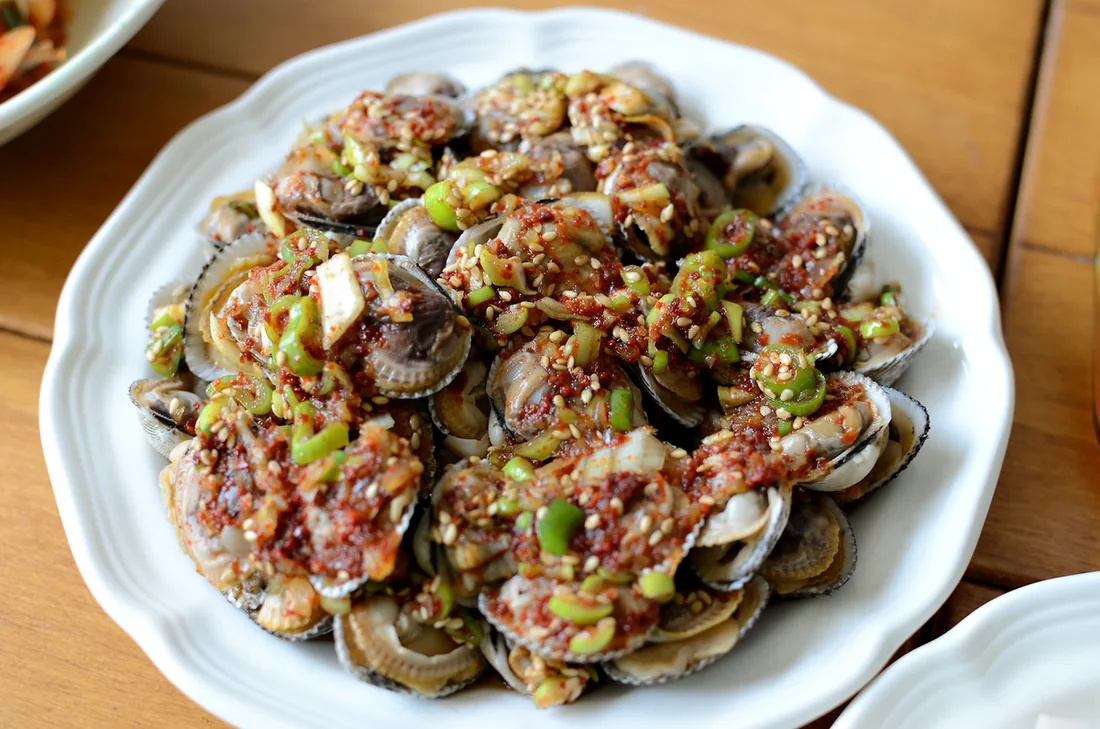
The tidal-flat region is known for cockles. A Suncheon set meal can bring together steamed cockles, seasoned cockles, salad and rice, while cockle bibimbap offers a one-bowl option.
At the table Try a mixed set to compare preparations. Cockle dishes pair naturally with a visit to Suncheon Bay.
 Enlarge photo
제주
Jeju Island
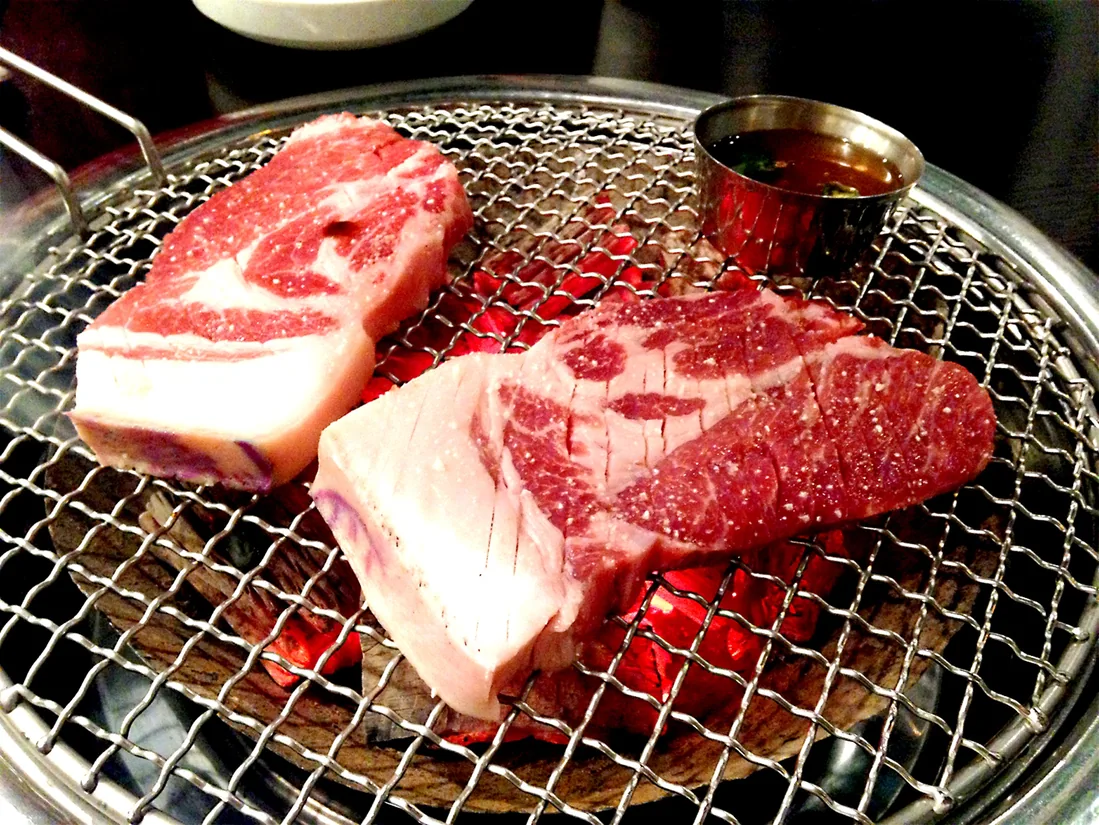
Jeju’s black pork is a signature island barbecue meal. Restaurants serve cuts such as pork belly and neck, with Black Pork Street in Jeju City offering a concentration of places to try it.
At the table Enjoy the grilled pork with rice and fresh wraps. Check the portion size and cuts before ordering.
Ingredients and flavours describe common versions. Photos show examples; recipes, sauces and presentation vary by restaurant. Ask about ingredients and available options when ordering.
AT THE KOREAN TABLE
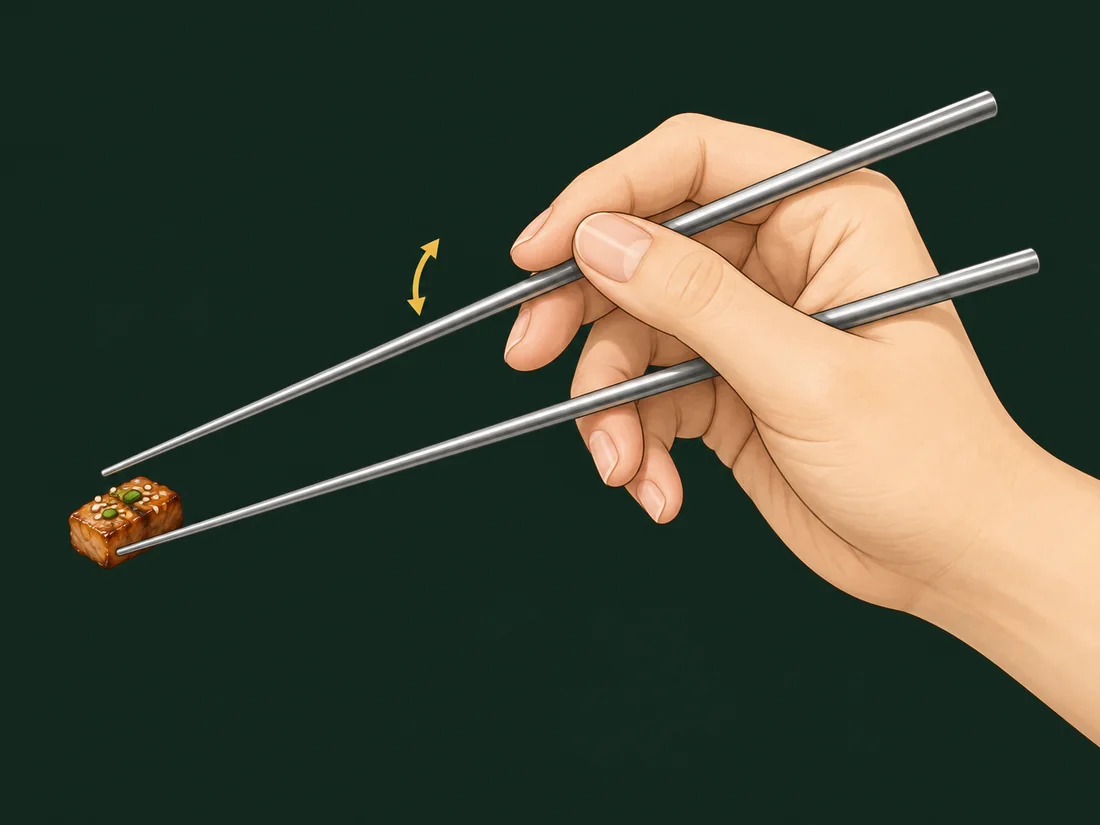
Use a spoon for rice and soup, and chopsticks for noodles and side dishes. A relaxed grip makes both easier to use.
 Enlarge illustration
 Enlarge illustration
Try this: Practise with a larger piece of food before trying slippery noodles. Left-handed diners can mirror the grip. If chopsticks feel awkward, use your spoon or ask for a fork.
READY TO PLAN?
비온디를 클릭해 대화하세요. 위쪽 바를 끌면 창을 이동할 수 있습니다. AI 답변은 확인이 필요할 수 있습니다.
어디로 여행하고 싶으세요?
