For Gyeongbokgung, Changdeokgung, Changgyeonggung and Deoksugung, a regular closing day that falls on a public or substitute holiday becomes an opening day; the next non-holiday is closed instead. Check special notices for your date. Official opening calendar ↗
Where are the palaces?
Hover over a pin to see its name. Click it to jump to the palace guide below. On a phone, tap the pin. Locations for the four centrally managed palaces follow the Royal Palaces and Tombs Center’s official map references; Gyeonghuigung uses a separate tourism reference.
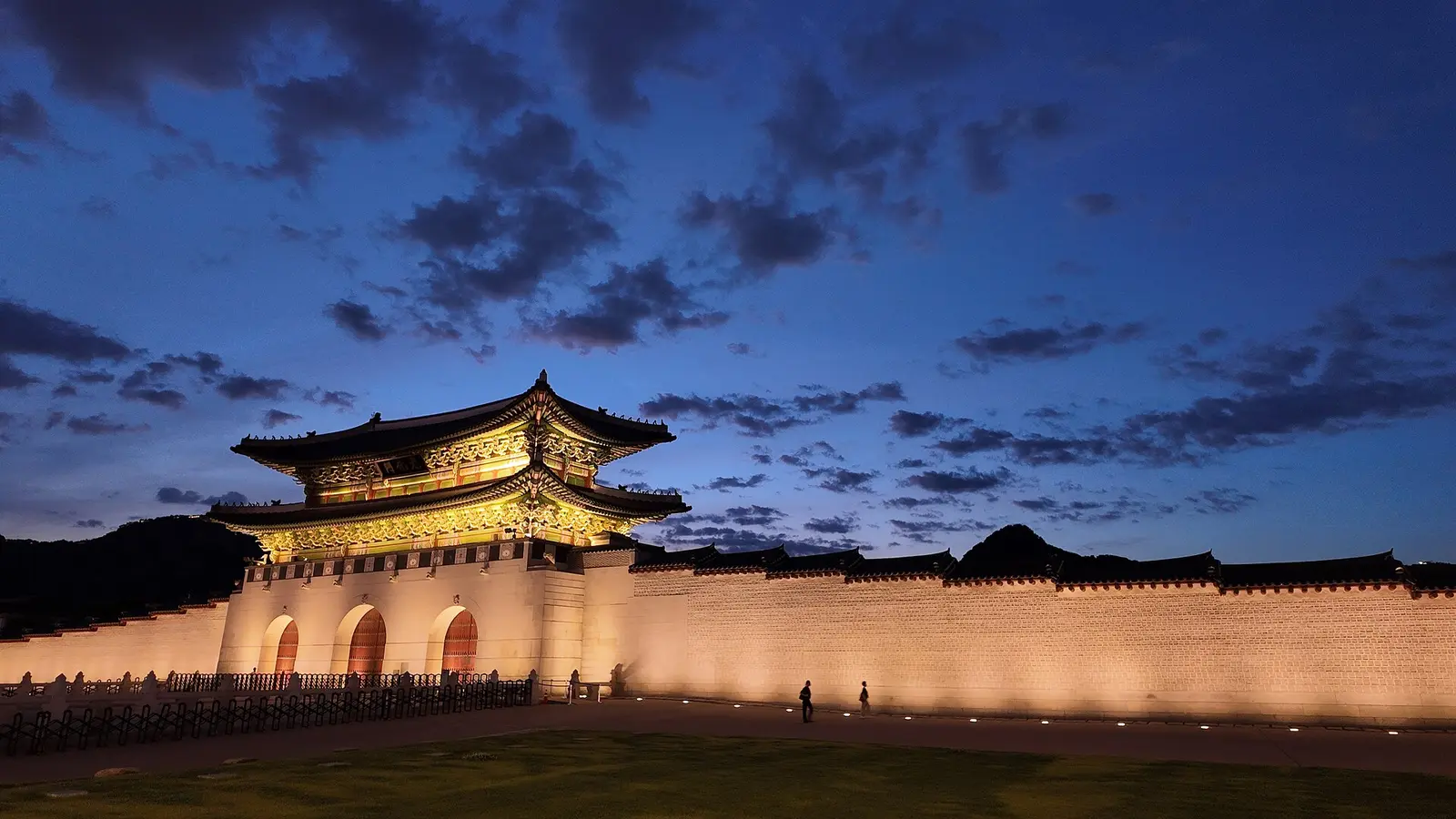
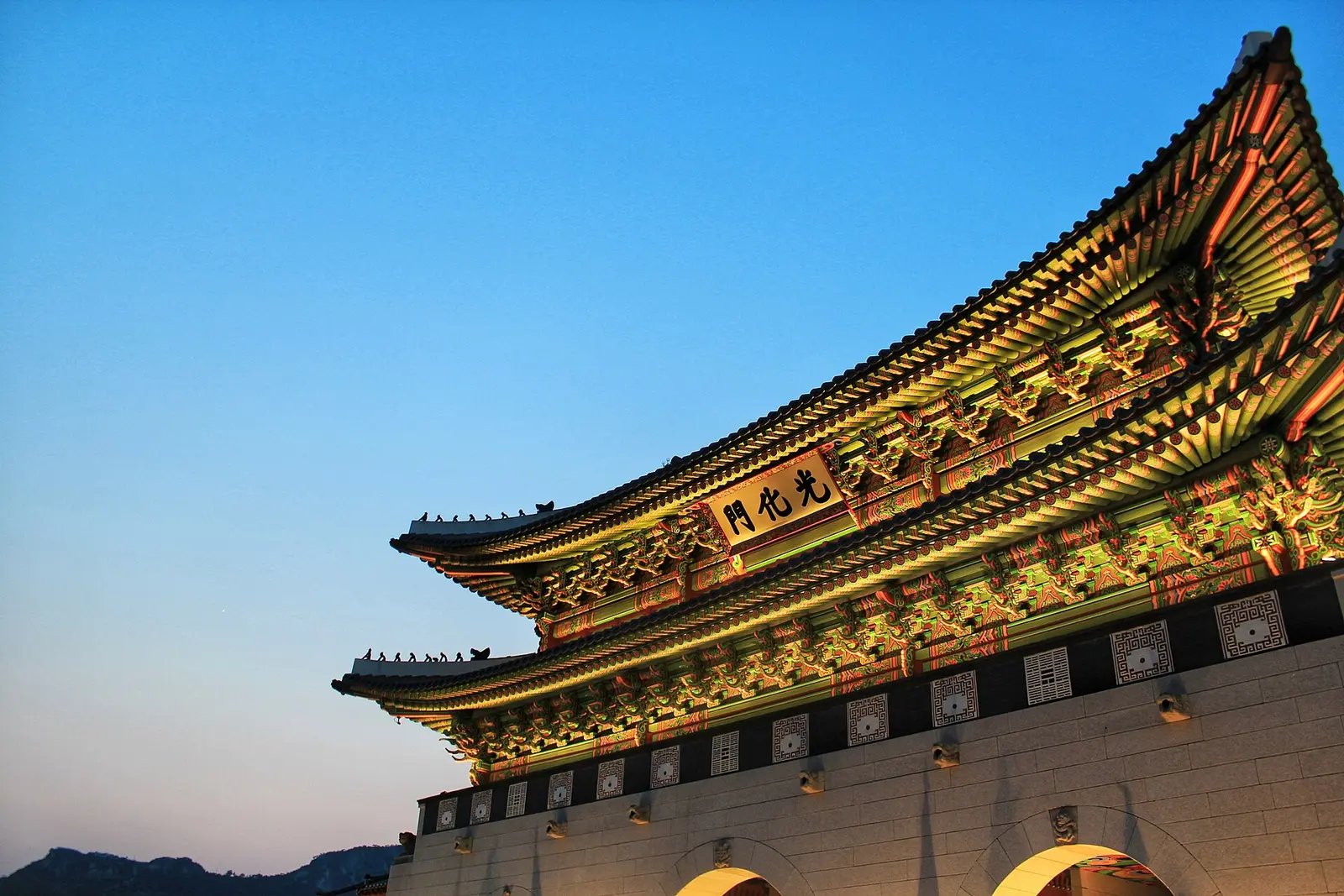
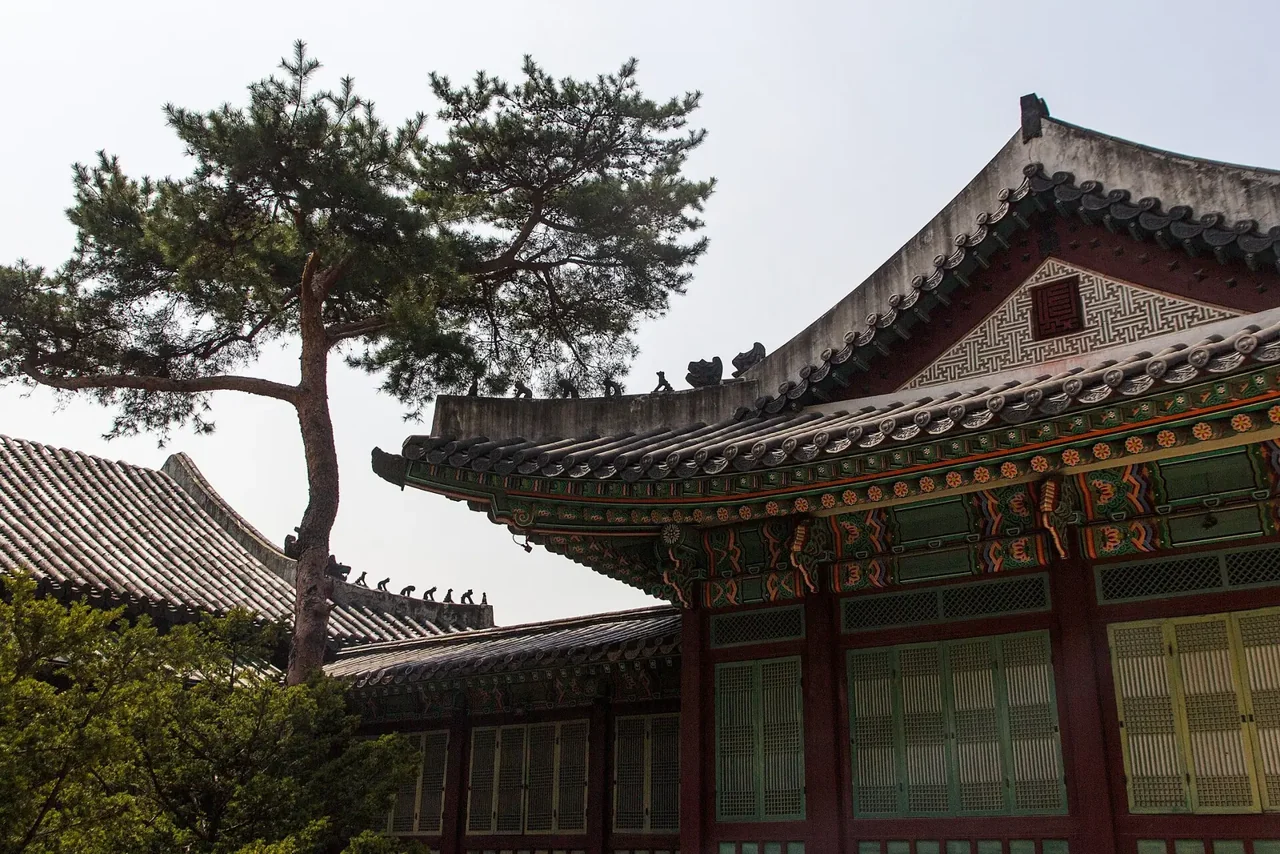
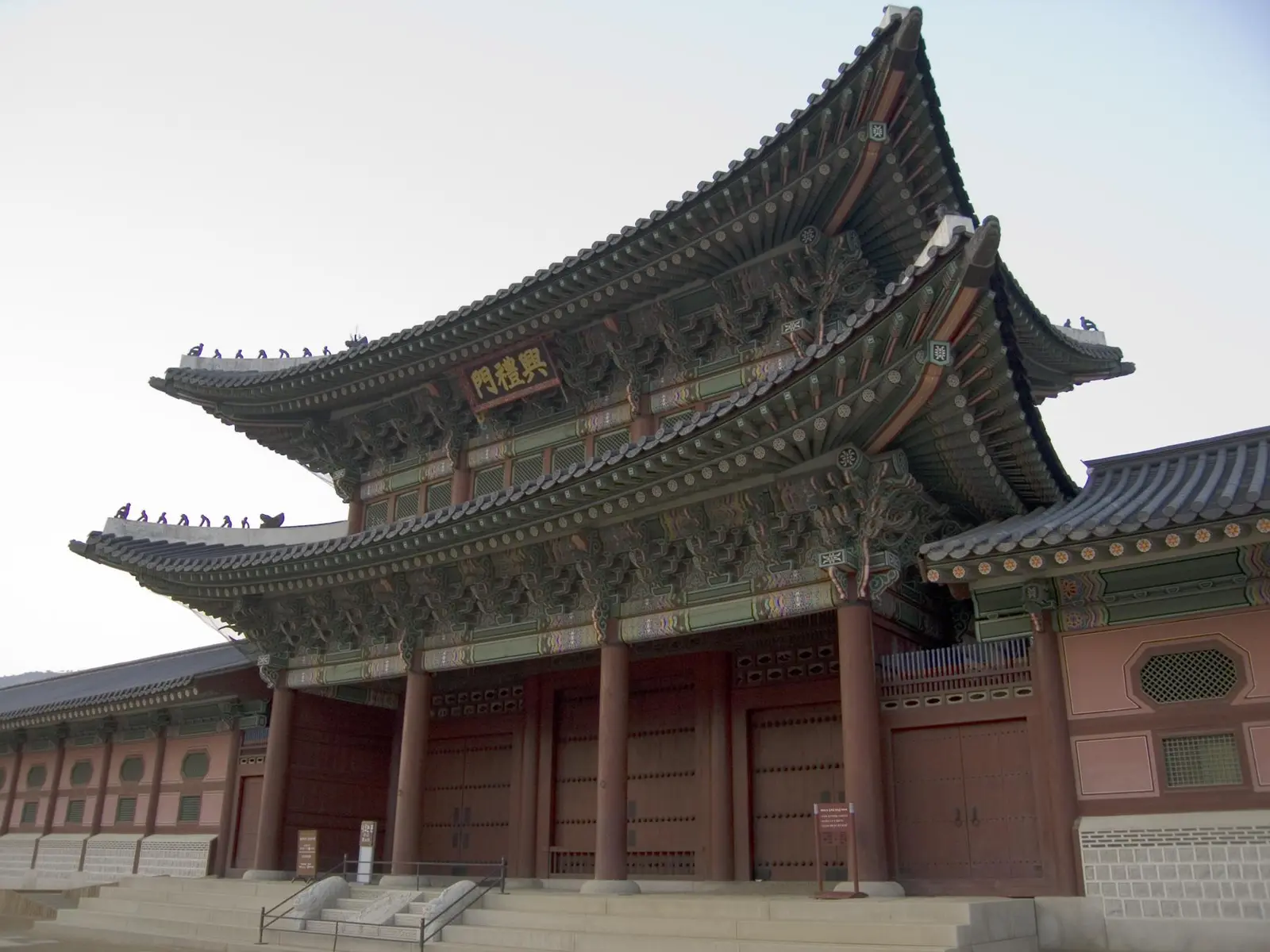
The main palace of the Joseon dynasty is a good first introduction to royal Seoul. Enter through Gwanghwamun and follow the central courtyards toward Geunjeongjeon, the throne hall. Leave time for the pavilion views and the contrast between the palace roofs and the mountains.
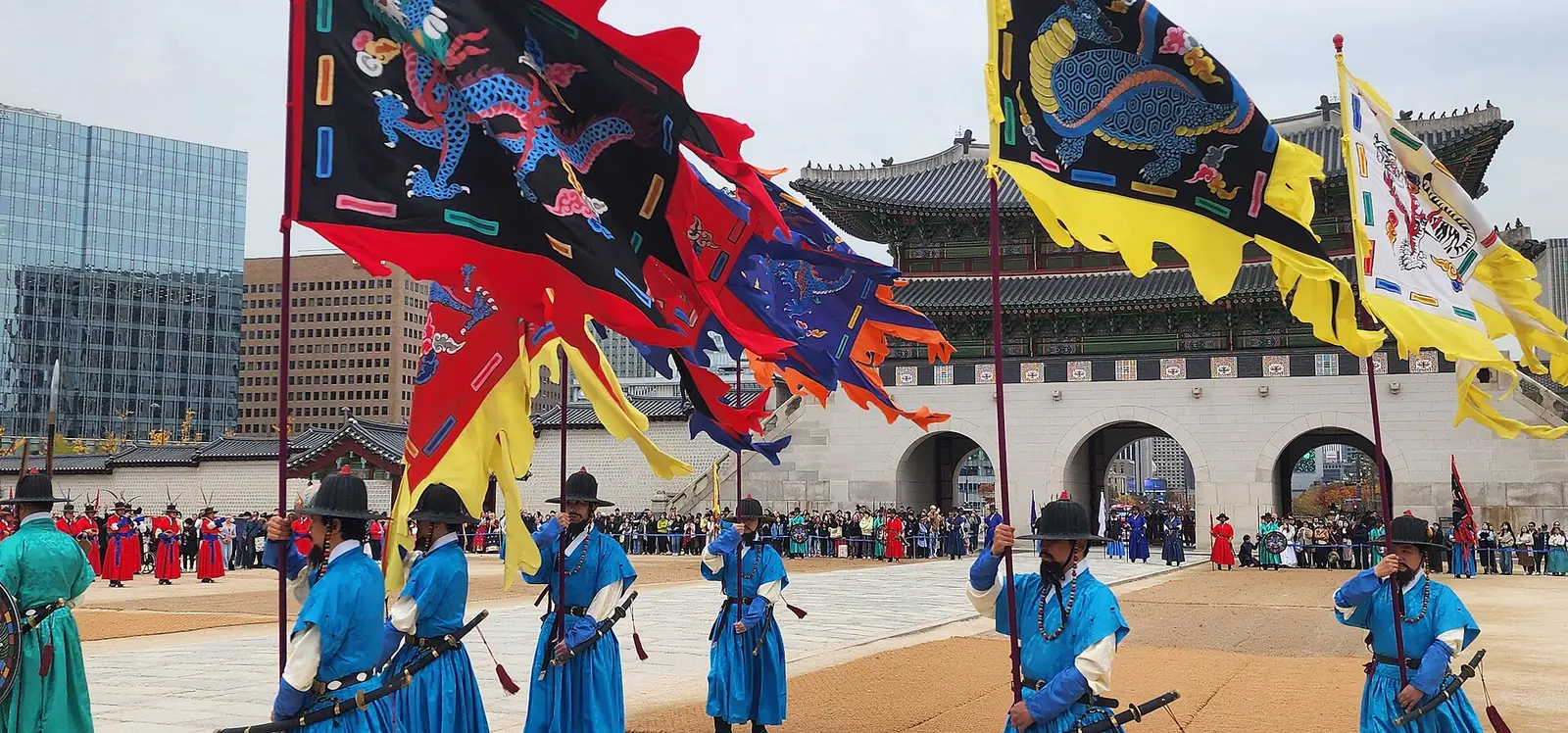
Plan ahead: Check the official schedule for the changing of the guard. Evening opening is a separate seasonal programme; a daytime ticket does not guarantee evening admission.
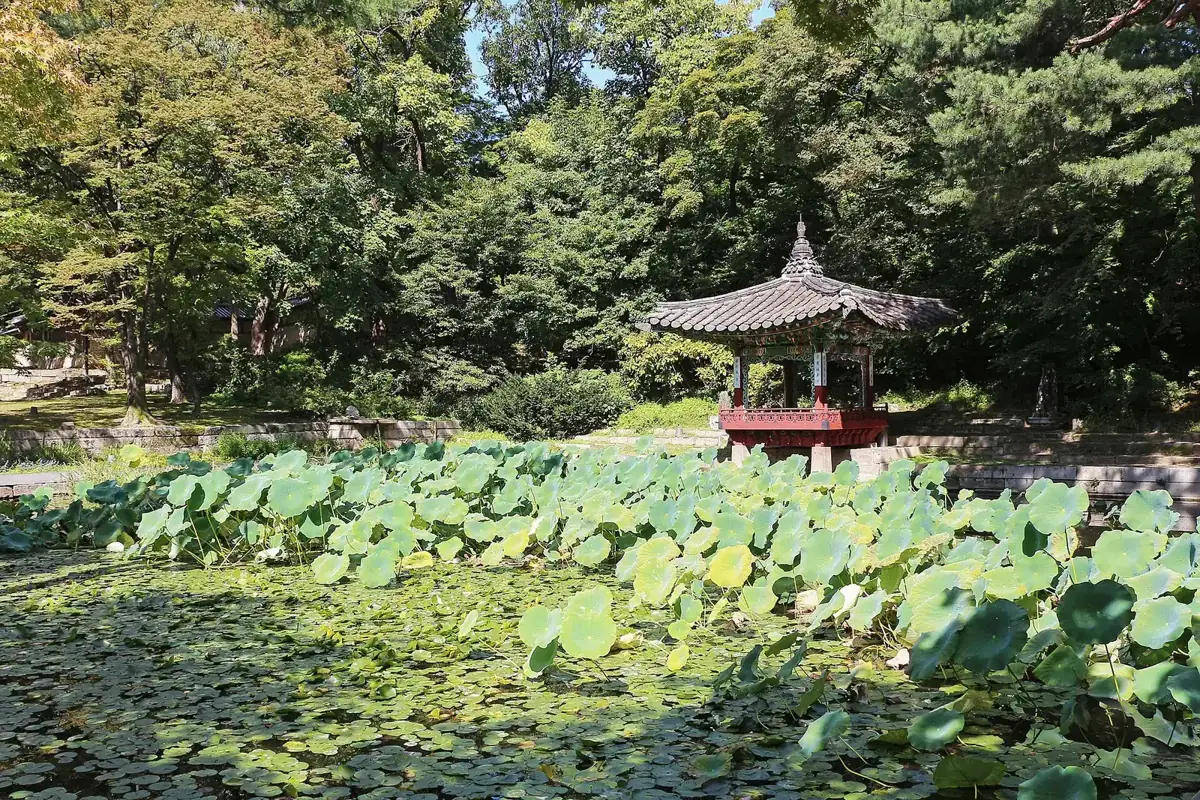
This UNESCO World Heritage palace follows the shape of its wooded setting. Explore the ceremonial and residential buildings, then add the Secret Garden if you have secured a place. The garden visit is a separate experience from the palace buildings.
Plan ahead: Book the garden for your chosen date and language. The palace ticket is also required. Garden places are limited, so arrange this part before planning the rest of your day.
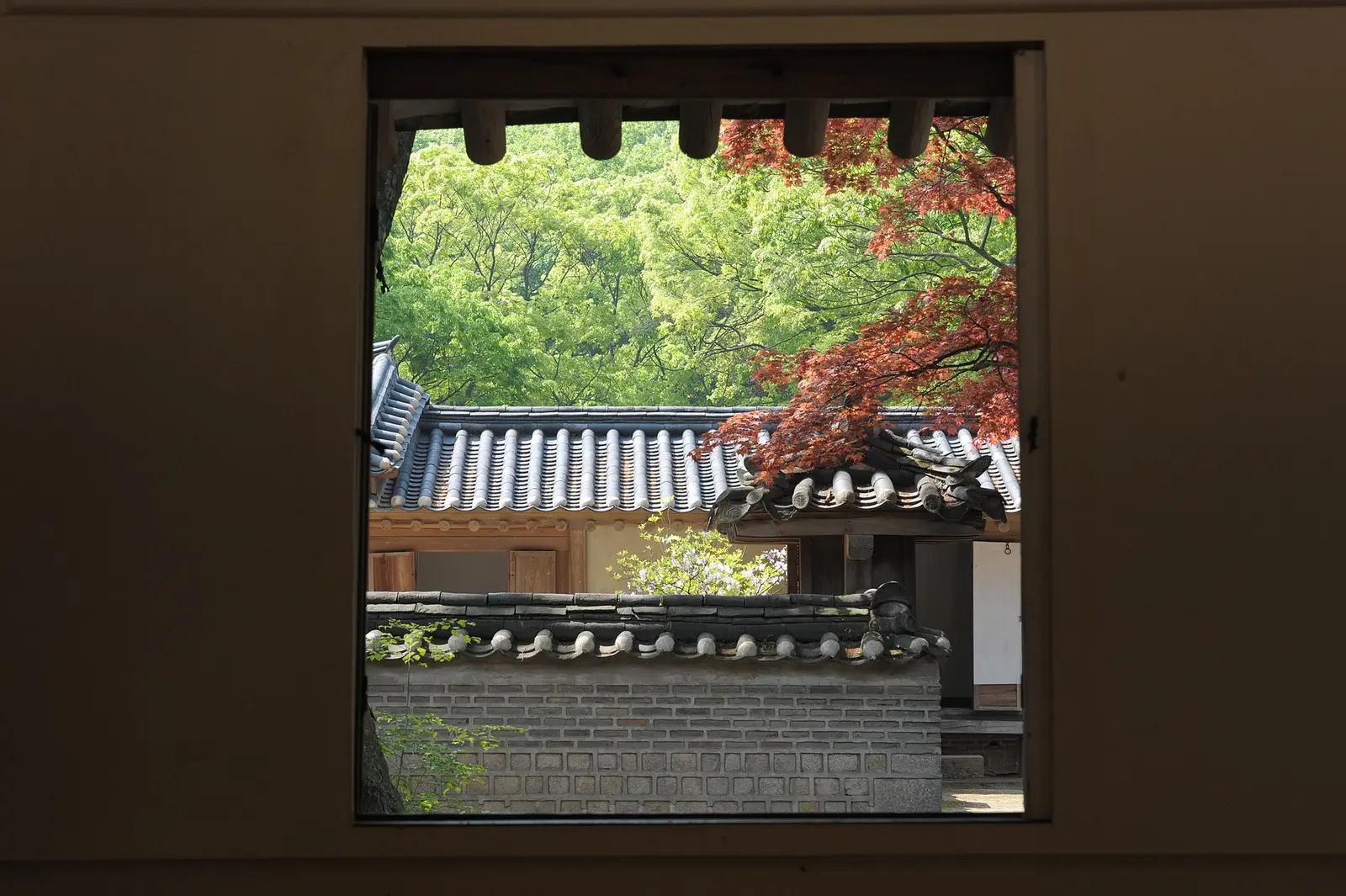
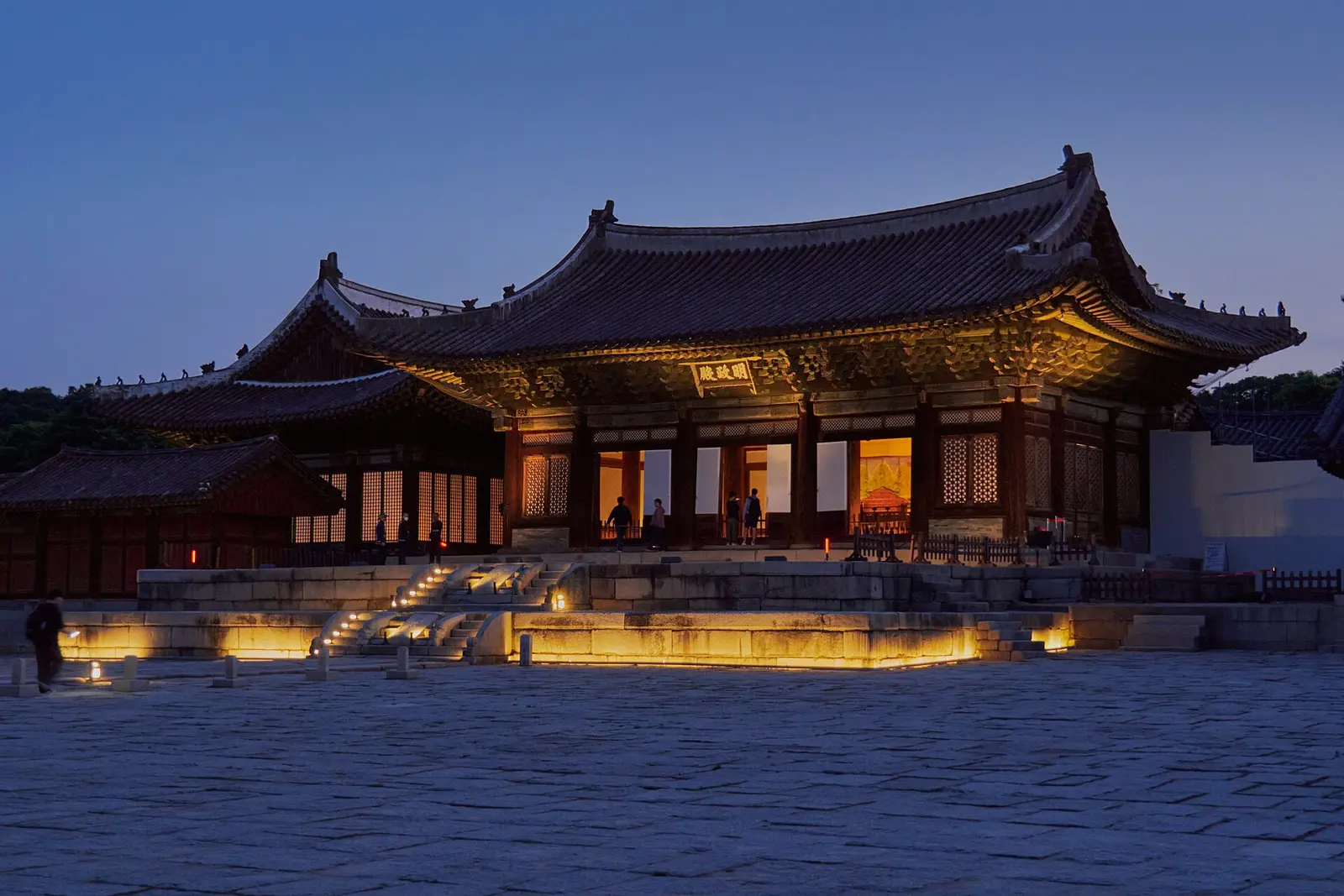
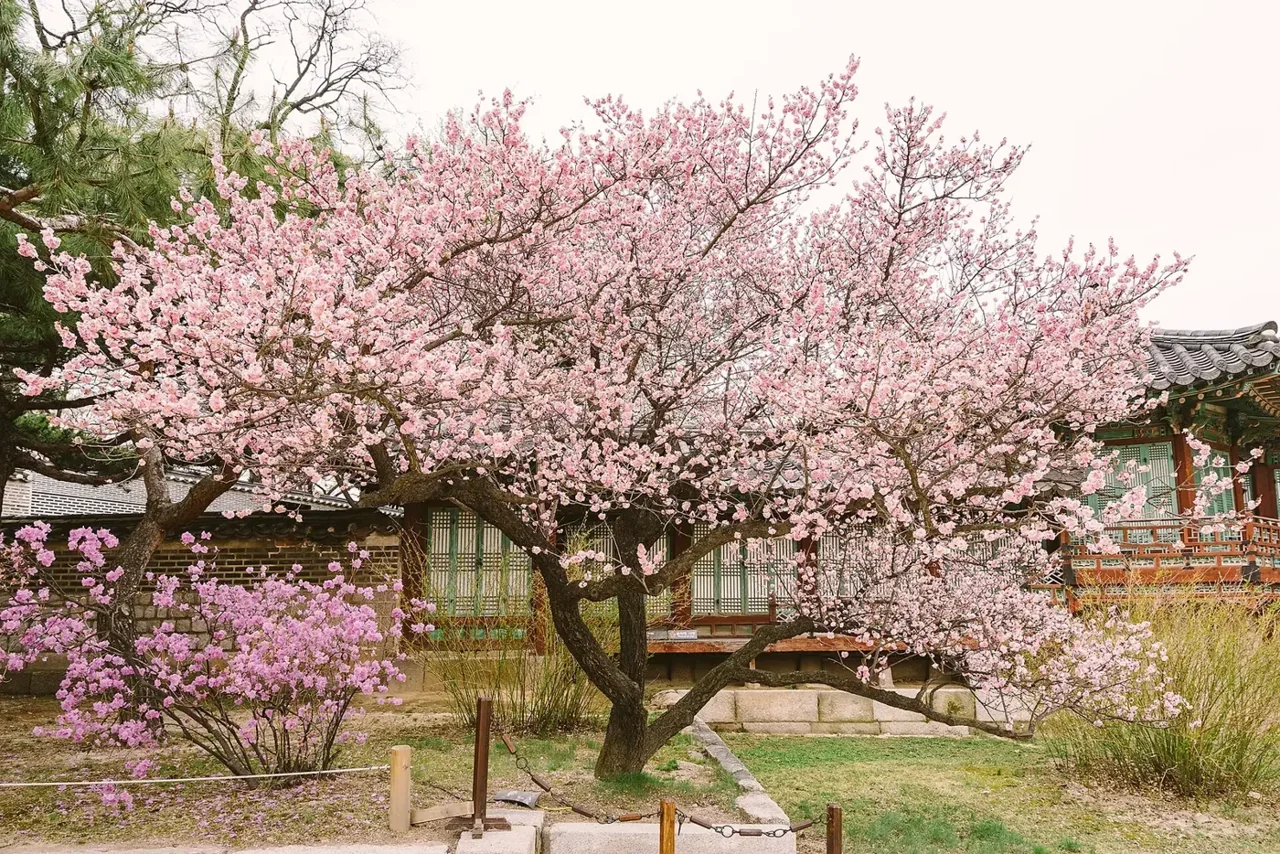
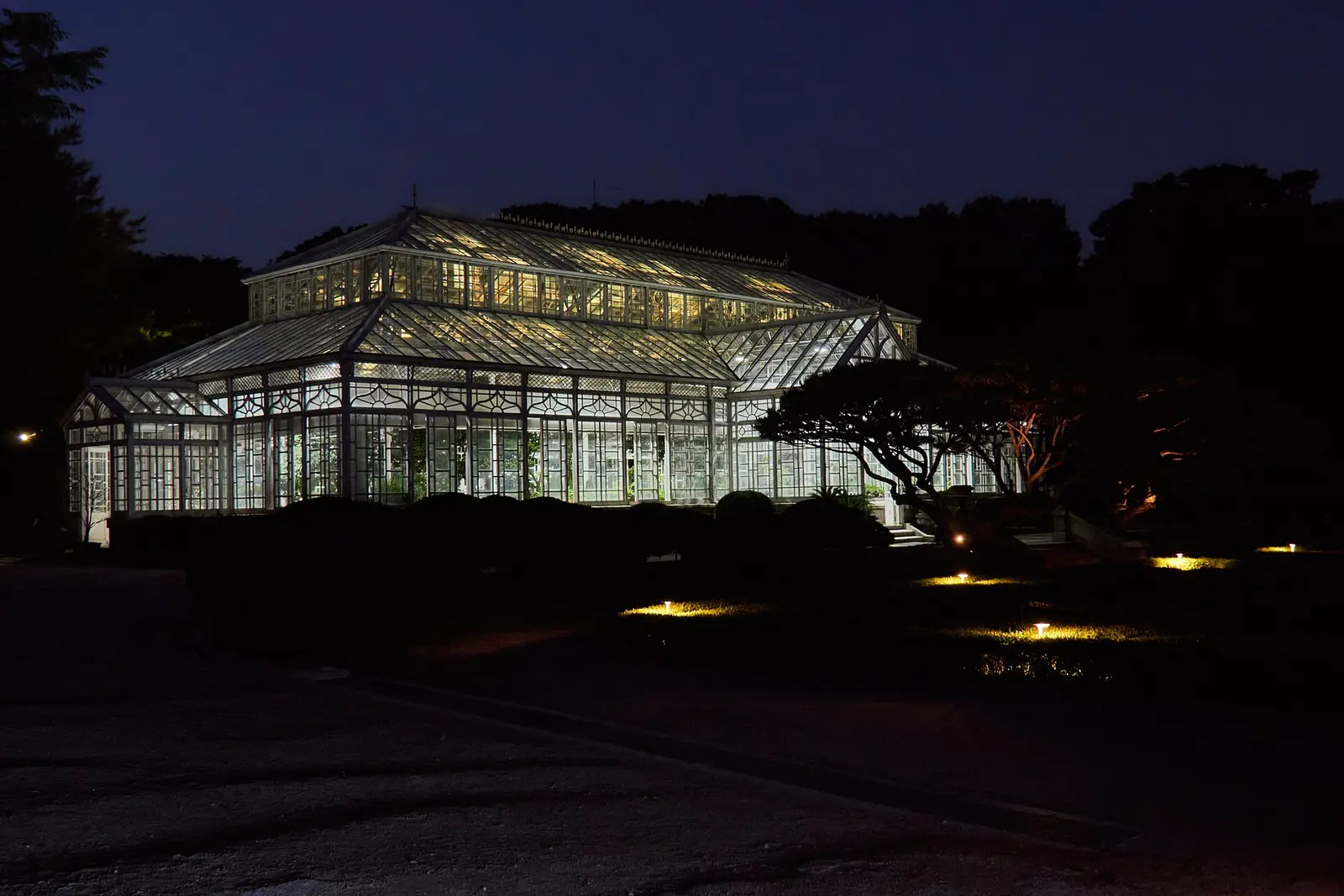
East of Changdeokgung, this palace offers a gentler-paced visit through royal halls and landscaped grounds. Myeongjeongjeon, Chundangji Pond and the historic greenhouse give the walk several distinct stopping points.
Plan ahead: Combine it with Changdeokgung on the same day, but check the gate arrangements and buy the required admission for each site. Confirm greenhouse access and evening hours separately.
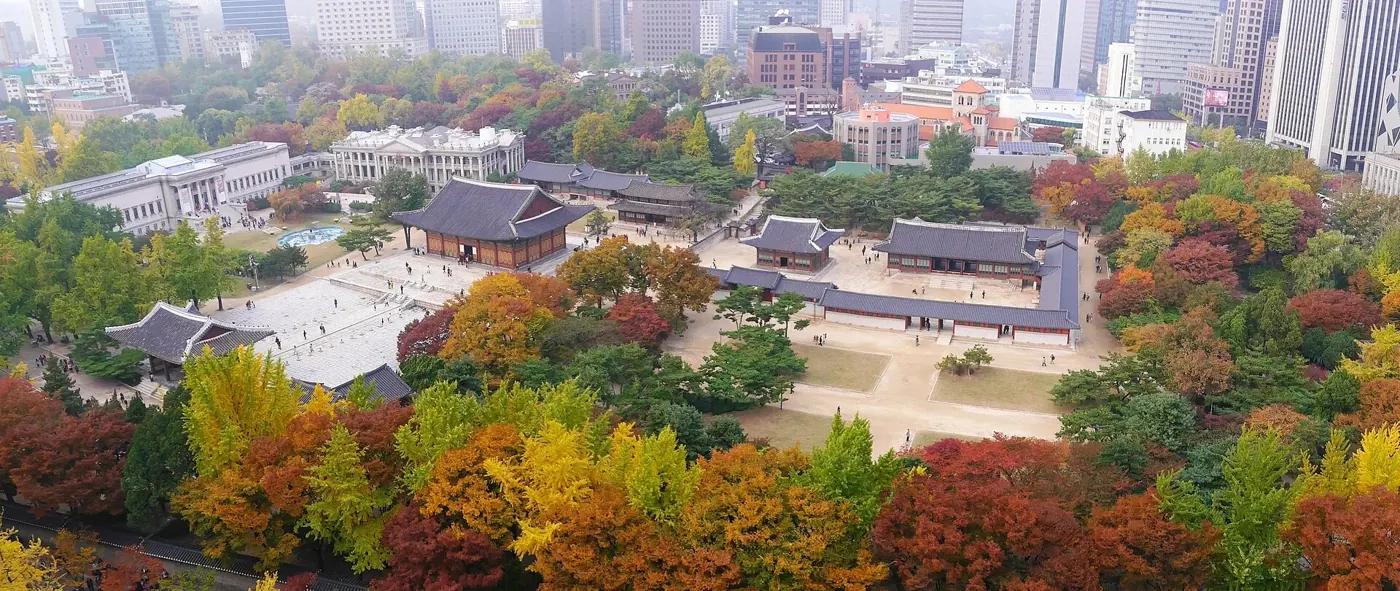
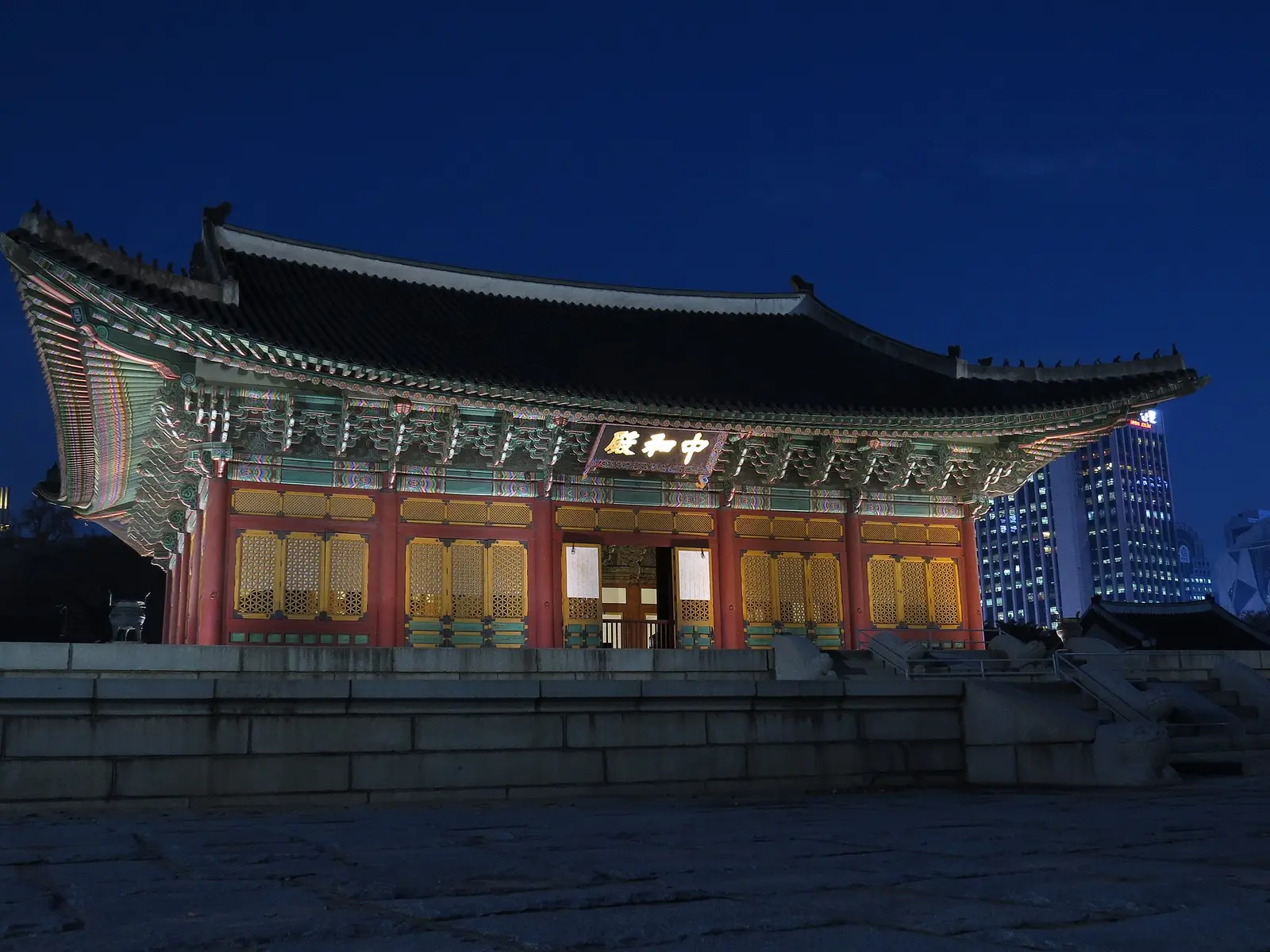
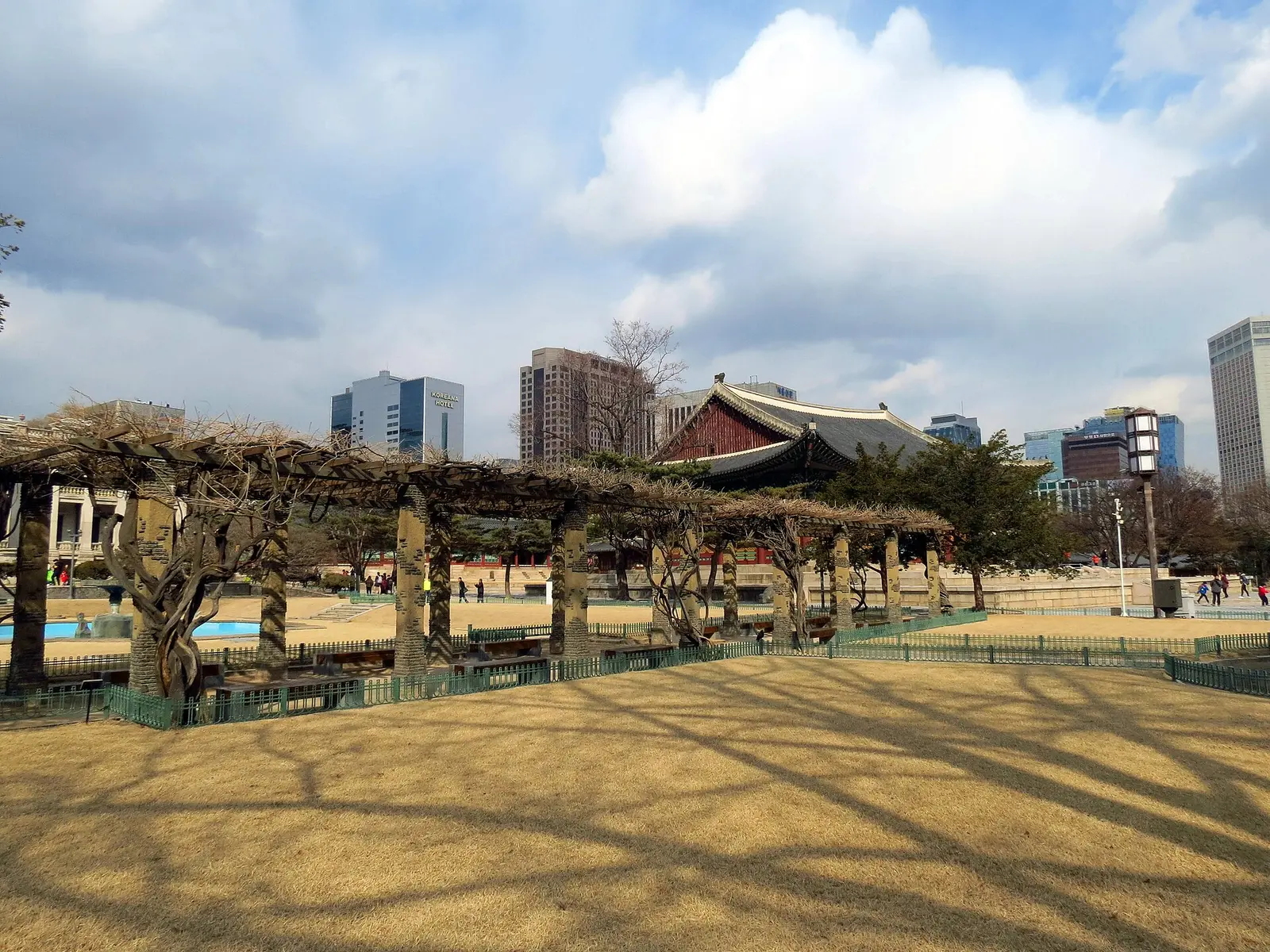
Beside City Hall, Deoksugung brings Korean palace buildings and Western-style architecture into one compact visit. See Junghwajeon and the exterior of Seokjojeon, then continue along the stone-wall street outside the palace.
Plan ahead: Special buildings, exhibitions and guided programmes may require their own booking or admission. Check the programme details instead of assuming every interior is included.
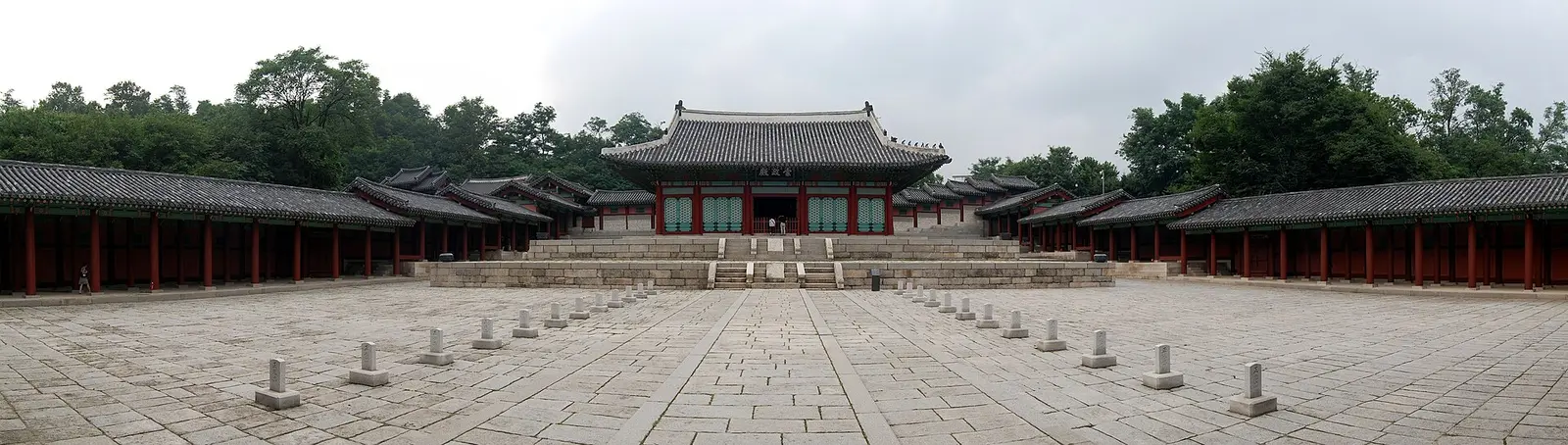
This former secondary palace makes a manageable addition to a central Seoul walk. The restored Sungjeongjeon area gives a sense of its former role without the scale of Gyeongbokgung. Pair the visit with the nearby Seoul Museum of History.
Listed prices are standard individual adult admissions, checked 13 September 2026. Reduced or free admission depends on eligibility. The four centrally managed palaces may open on a usual closed day when it is a public holiday, then close on the next non-holiday. Check the date-specific notice and seasonal opening hours.
The ₩6,000 combination ticket covers Gyeongbokgung, Changdeokgung palace buildings, Changgyeonggung, Deoksugung and Jongmyo, with one visit to each within six months. It excludes the Secret Garden. Gyeonghuigung is separate and generally free.
Eligible hanbok wearers can receive free general admission under the official guidelines; this does not mean that a garden tour or special event is automatically included.
Day 1: Gyeongbokgung → lunch around Seochon → Gyeonghuigung and the Seoul Museum of History area. Check that your day avoids the relevant closures.
Day 2: Changdeokgung and a pre-booked Secret Garden visit → Changgyeonggung. Visit Deoksugung on another afternoon near City Hall, or substitute it for a palace above. These are planning suggestions, not timed walking routes.
What to bring
Comfortable shoes, water and weather protection help on exposed courtyards and uneven stone paths. Allow extra time for security, ticket queues and garden entry. Ask the palace about the accessible route before booking if you need step-free access.