Destination
Ganghwa Island · History, Temples & Coast
Choose one area for a day; allow 1 night for north and south
Read detailsINCHEON · GANGHWA HISTORY
Explore a former Goryeo capital, prehistoric dolmens and coastal defences near Seoul. Start with a history walk in Ganghwa-eup or a southern temple day; island distances need real bus or road-transfer planning.
Incheon · Island & history trip
Destination
Choose one area for a day; allow 1 night for north and south
Read detailsTransport
Ganghwa’s official bus guide lists route 3000 between Ganghwa Terminal and the Sinchon/Hongdae/Hapjeong corridor, and route 800 towards Incheon Terminal.
Read detailsStay
Stay near Ganghwa-eup/Terminal for an old-town visit with buses and meal choices.
Read detailsLocal food
Keep lunch in the area you are visiting: Ganghwa-eup market and town eateries for the history walk, or the Jeondeungsa/southern corridor for a car day.
Read detailsThe Ganghwa dolmens are prehistoric stone burial monuments. They form part of the Gochang, Hwasun and Ganghwa Dolmen Sites, inscribed in 2000. Visit the actual stone setting, then use the museum to understand its construction and burial context.
Goryeo moved its capital from Gaegyeong to Ganghwa in 1232 during the Mongol invasions and returned in 1270. Goryeogungji marks the palace site; later Joseon buildings and reconstructions should not be mistaken for an intact 13th-century palace.
Gwangseongbo was a major battlefield during the 1871 U.S. expedition, known as Sinmiyangyo. Walk the defensive landscape and memorials; the fort’s story explains why this island guarded the approach to the capital.
The Treaty of Ganghwa was concluded between Joseon and Japan in 1876. AKS describes it as an unequal treaty central to Korea’s modern port-opening history. Read its context alongside the island’s coastal-defence exhibits rather than treating it as a celebratory festival.

Jeondeungsa courtyard. A temple visit in southern Ganghwa. Admission and parking are separate.
Jeondeungsa courtyard · G41rn8 · Source · CC BY-SA 4.0
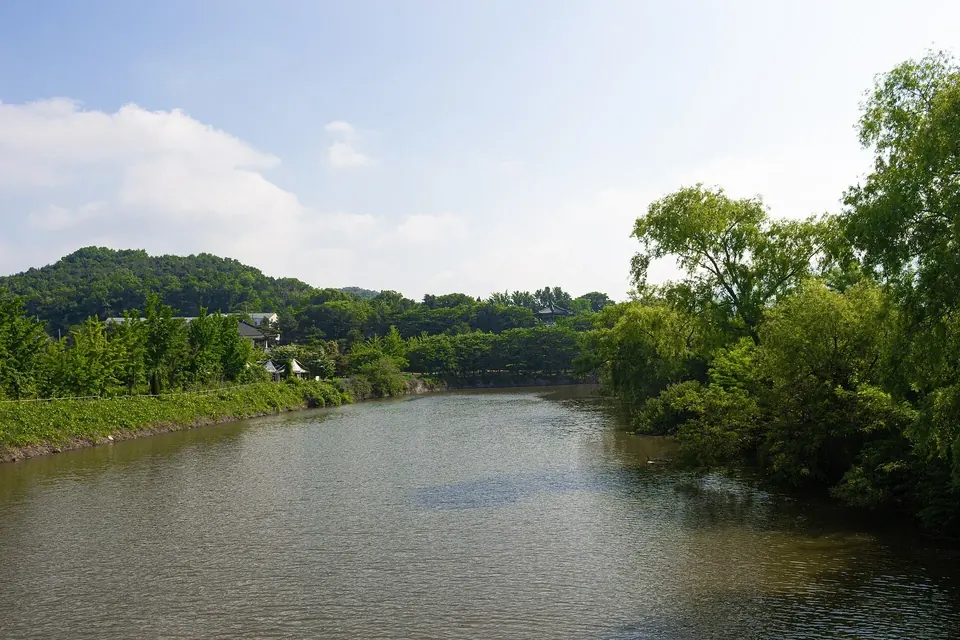
Ganghwa waterside landscape. Actual island waterside scenery; the source does not identify it as Dongmak Beach.
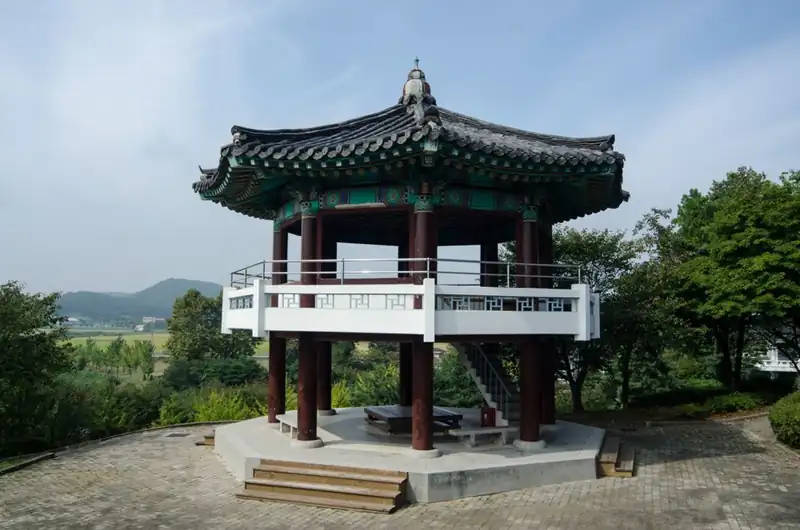
Gapgot Dondae pavilion. This is Gapgot Dondae, a different site from Gwangseongbo; check the Korean map pin before transferring.
Gapgot Dondae pavilion · Incheon Metropolitan City (인천광역시), via Korean Cultural Centers Federation · Source · KOGL Type 1
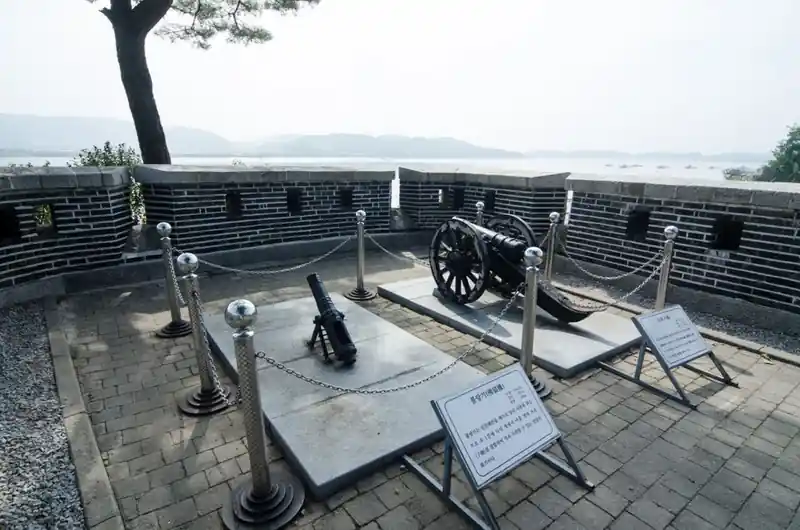
Gapgot Dondae artillery display. This is Gapgot Dondae, a different site from Gwangseongbo; check the Korean map pin before transferring.
Gapgot Dondae artillery display · Incheon Metropolitan City (인천광역시), via Korean Cultural Centers Federation · Source · KOGL Type 1
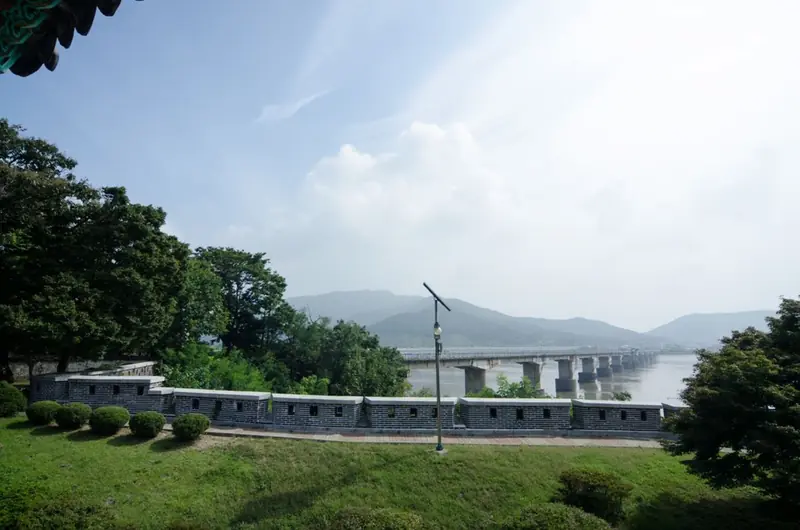
Gapgot Dondae wall and waterway. This is Gapgot Dondae, a different site from Gwangseongbo; check the Korean map pin before transferring.
Gapgot Dondae wall and waterway · Incheon Metropolitan City (인천광역시), via Korean Cultural Centers Federation · Source · KOGL Type 1
First visit without a car: choose Ganghwa-eup’s Goryeogung Palace Site and nearby old-town lanes, then reserve time for a town lunch and the terminal return. For dolmens, add a separate bus or taxi to the Bugeun-ri dolmen area and Ganghwa History Museum; do not treat it as a town-centre stroll. A southern day centres on Jeondeungsa, with Gwangseongbo or Dongmak as another road-transfer stop. Jeondeungsa’s operator lists free admission since 4 May 2023; parking is separate (small vehicles ₩3,000 on the checked page). Confirm each site’s current hours and closures independently. Coastal scenery changes with the tide; a photograph is not permission to enter exposed mudflats.
Ganghwa’s official bus guide lists route 3000 between Ganghwa Terminal and the Sinchon/Hongdae/Hapjeong corridor, and route 800 towards Incheon Terminal. Check your actual stop, direction and live departures before setting out; traffic on the bridge roads can delay the trip. Photograph the terminal return board on arrival. Inside the island, local buses can be sparse: choose a single sightseeing cluster or prearrange a taxi with the return pickup agreed. A Seoul subway ticket does not take you across the entire island.
Stay near Ganghwa-eup/Terminal for an old-town visit with buses and meal choices. A Dongmak or southern coastal pension suits a car-based temple/coast day, but verify its exact road, heating, check-in, parking and dinner options. Use the county’s accommodation listings and compare the room’s total price. Jeondeungsa has an operator-run templestay booking route: it is a separate programme with its own dates and conditions, not automatic lodging with temple admission.
Keep lunch in the area you are visiting: Ganghwa-eup market and town eateries for the history walk, or the Jeondeungsa/southern corridor for a car day. The county food directory is the starting point for current restaurant details. Ask what is in the local set meal, whether salted seafood or shellfish is used, the price and minimum diners. A café break is not a reliable dinner plan; check the kitchen’s last order before the long return to Seoul.
Walking shoes, windproof layer, water, charged phone, a transport card and a saved Korean address for each stop. Coastal stops need daylight and the local tide/weather check. Temple and fortress paths have slopes and steps; check mobility access for your chosen entrance. In rain, shorten the day to the history museum and old town rather than adding a distant beach.
History day: Ganghwa Terminal → Goryeogung Palace Site and old-town walk → town lunch → dolmen/museum only if a return transfer is secured → terminal. Southern car day: Jeondeungsa → confirmed lunch → Gwangseongbo or Dongmak → return. Our suggested allowances: 60–90 minutes for the old-town cluster, 60–90 minutes for dolmen/museum, and 60–90 minutes for the temple, with transfers and queues added separately. Spread north and south over two days for an unhurried trip.
Suggested visit times are our planning allowances, not measured transfer times. Reserve the return connection first; current room prices, menus and local departures need a check for your travel date.
2026-10-04 · Reviewed using tourism, heritage and operator sources. Photos show the named places at the time they were taken; they are not live foliage, wave or opening reports.
Incheon · Island & history tripClick Biondi to chat. Drag the top bar to move this window. AI answers may need checking.
Where would you like to go?