Two days of royal tombs, hanok lanes, local snacks and reflected night lights. Start at the current Gyeongju railway station; visit Seokguram as a separate mountain excursion.
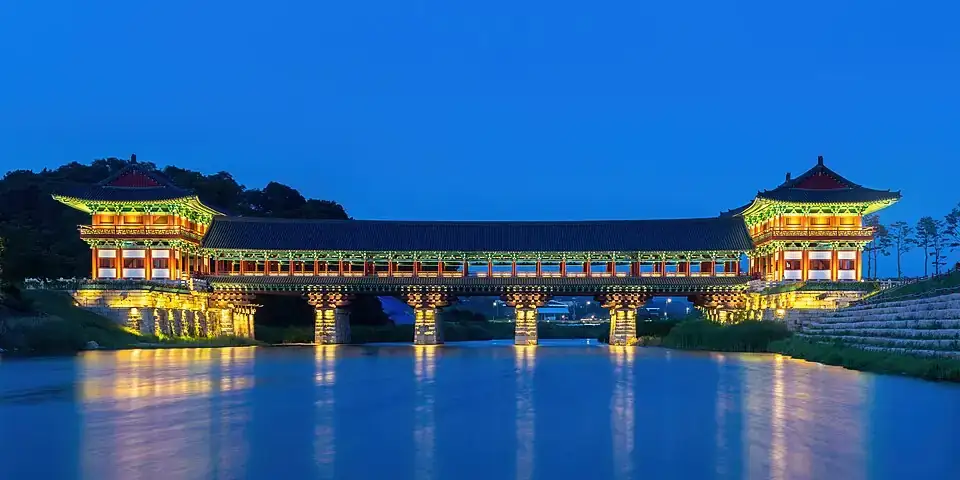
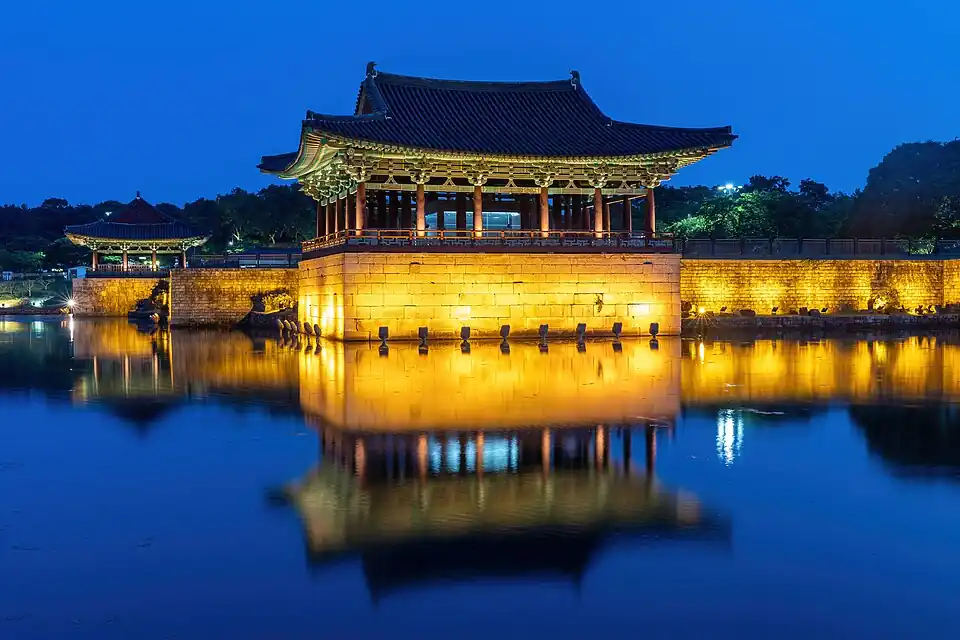
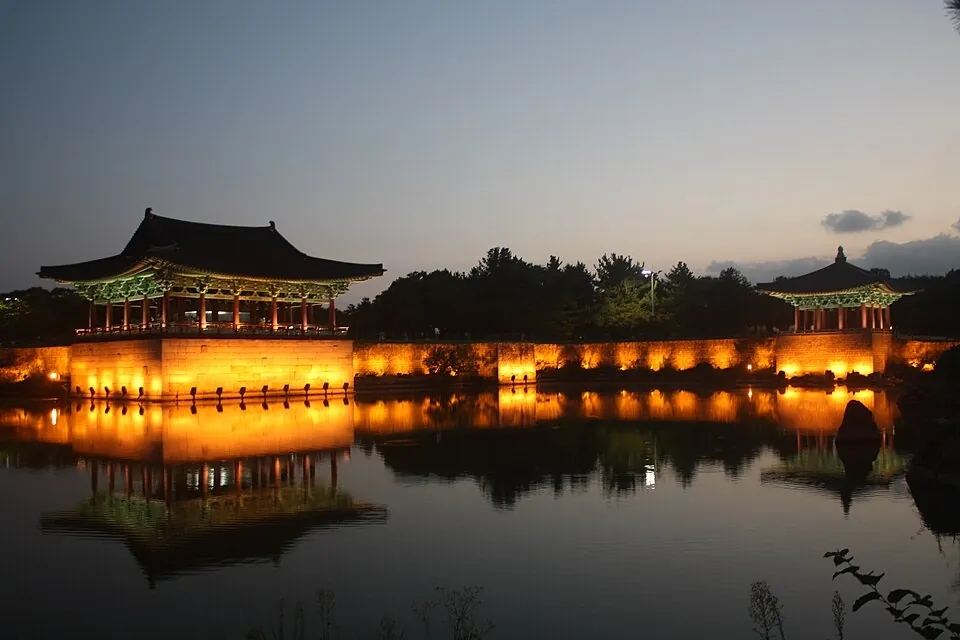
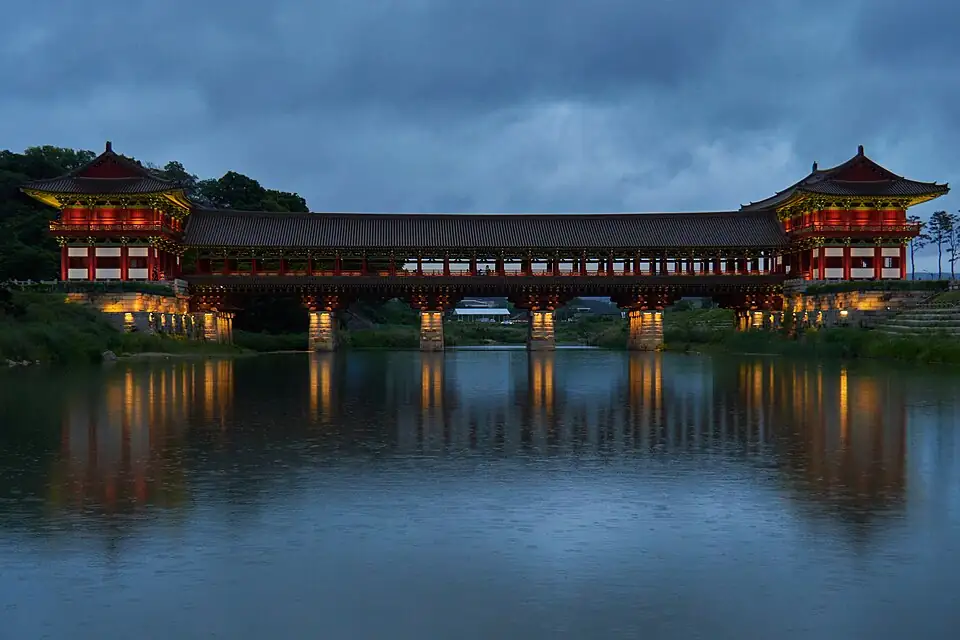
Woljeonggyo illuminated at blue hour. Archive photograph: 2024-06-09. Full frame retained; resized and converted to WebP.
Photo credit & context
Woljeonggyo illuminated at blue hour. Archive photograph: 2024-06-09. Full frame retained; resized and converted to WebP. · Basile Morin · Source · CC BY-SA 4.0
Gyeongju · Numbered visitor map
Match each number to the place below. Select a marker for details, or use “Show on map” in the list. Nearby markers group together at a wide zoom; enlarge the group to see individual numbers. Numbers remain the same when filtering.
31 places · stable numbers 1–31
If the map cannot load, all numbered descriptions and live-map links below remain usable.
Area and address-vicinity pins are labelled in their descriptions. Shop listings do not confirm today’s operation. Food names sold by multiple shops are linked to the relevant street or café area rather than an invented shop.
Coordinate references & official local map
Gyeongju City · Gyochon visitor map. Coordinates use existing checked landmark references, OpenStreetMap features and linked address listings. Approximate area references are distinguished from venue points.
1Gyeongju Station · KTX
Current Gyeongju railway station formerly SingyeongjuPhoto source
Current Gyeongju railway station formerly Singyeongju. Archive photograph: 2025-03-21 16:45:03. Full frame retained; resized and converted to WebP.
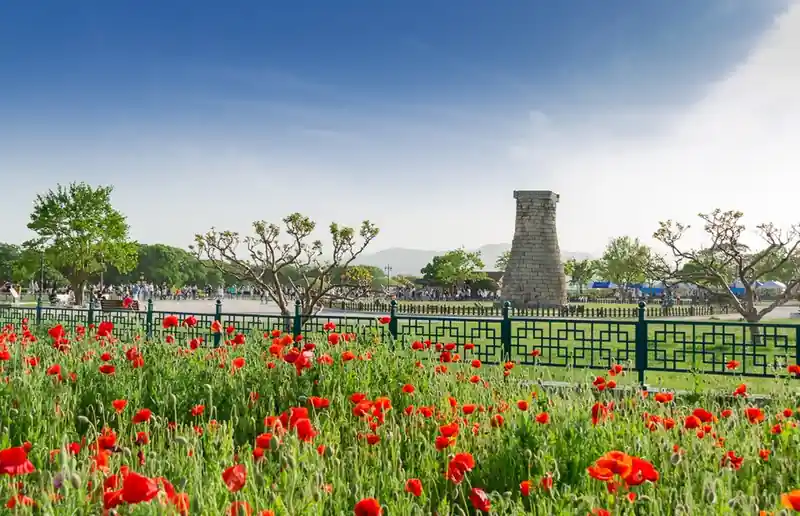
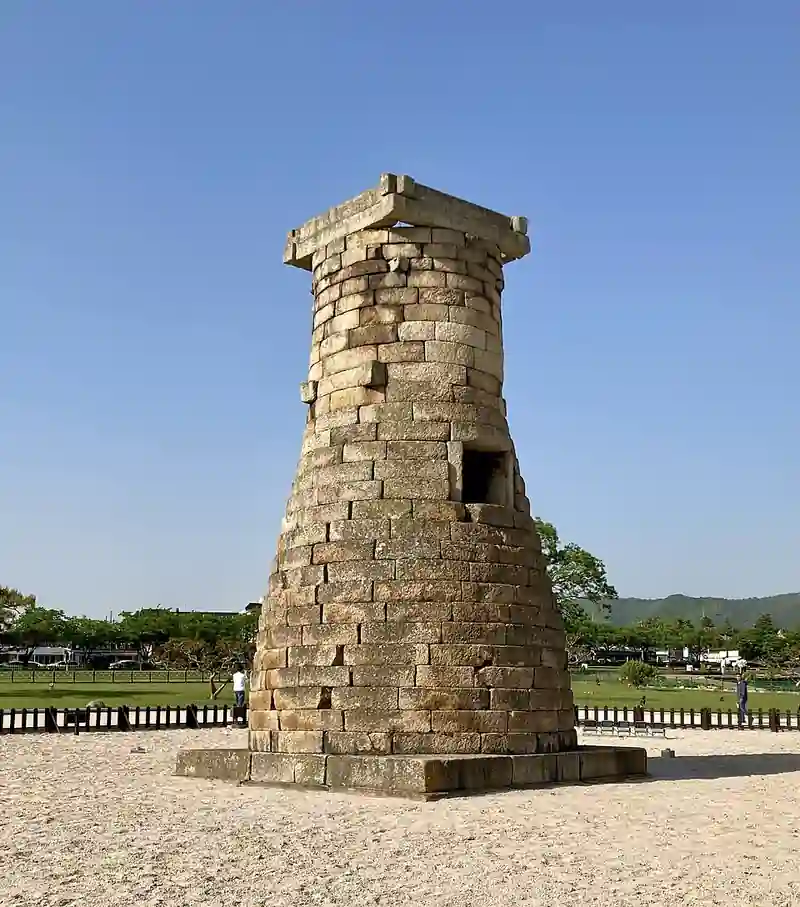
Cheomseongdae observatory. Archive photograph: 2017-05-06 05:09:56. Full frame retained; resized and converted to WebP. Seasonal plants shown here are not a live flowering report.
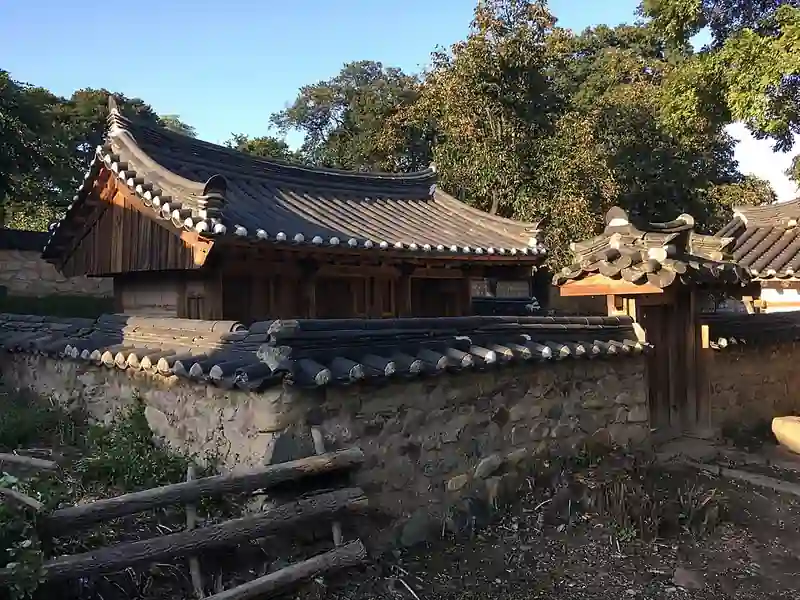
Gyochon traditional village. Archive photograph: 2018-09-30 16:59:44. Full frame retained; resized and converted to WebP. Historic village architecture, not a photographed hotel room.
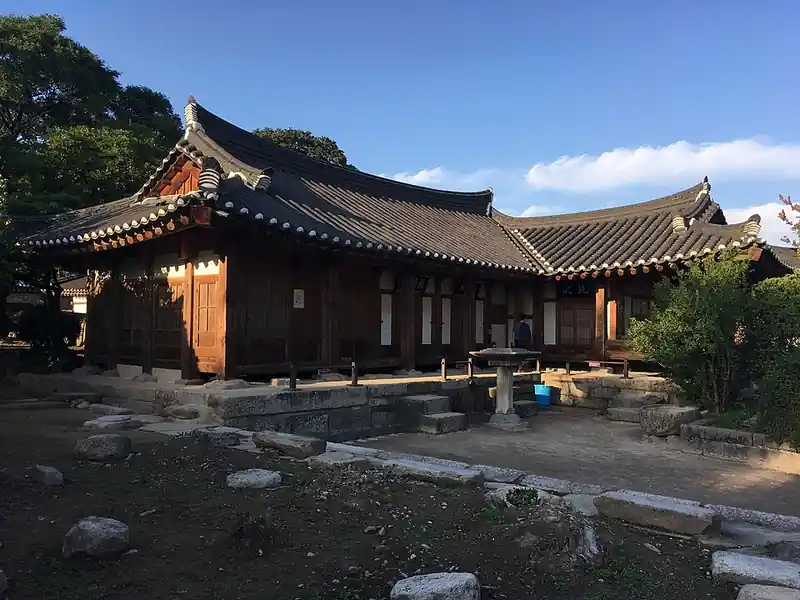
Choe clan historic house. Archive photograph: 2025-01-08 14:25:10. Full frame retained; resized and converted to WebP. Historic village architecture, not a photographed hotel room.
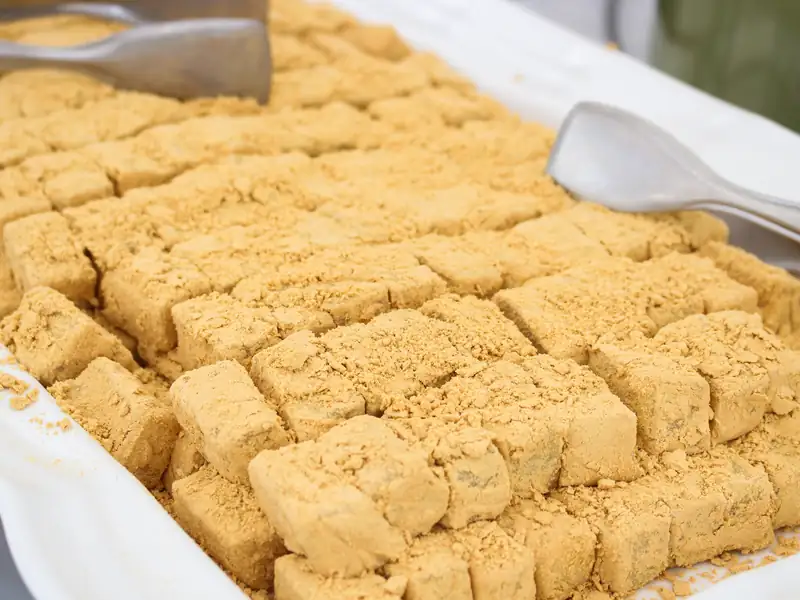
Representative Korean injeolmi; location unspecified, not a Gyeongju bakery or named restaurant. Exact Commons file is verified CC0, despite original Pixabay source. Full frame retained; proportional resize and WebP conversion. Archive photograph: 2018-03-18. This is not a photograph of Byeolchaeban or Gyochon Sambeknyeonjip.
Gyochon traditional village. Archive photograph: 2018-09-30 17:00:55. Full frame retained; resized and converted to WebP. Historic village architecture, not a photographed hotel room.
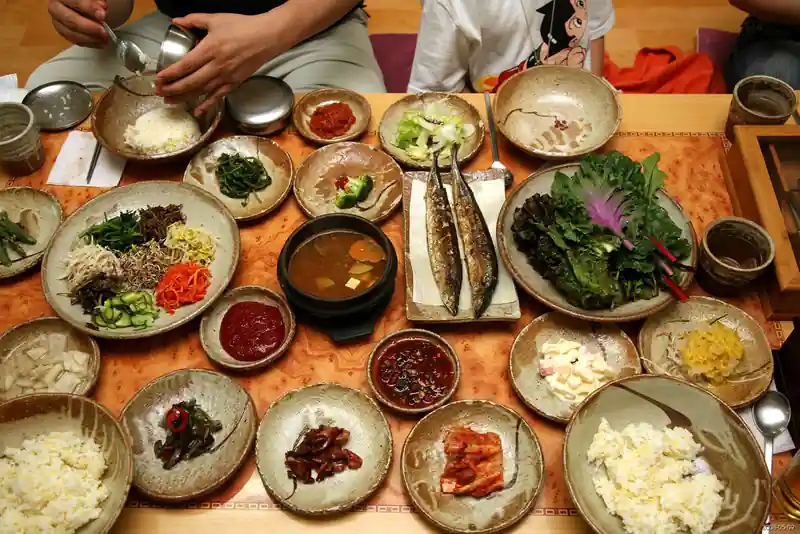
Actual Gyeongju restaurant meal; restaurant unnamed in source. Full frame retained; proportional resize and WebP conversion. Archive photograph: 2005-07-30. This is not a photograph of Byeolchaeban or Gyochon Sambeknyeonjip.
Rice meal · food example; not this restaurantPhoto source
Actual Gyeongju restaurant meal; restaurant unnamed in source. VRT permission confirmed. Full frame retained; proportional resize and WebP conversion. Archive photograph: 2008-05-09. This is not a photograph of Byeolchaeban or Gyochon Sambeknyeonjip.
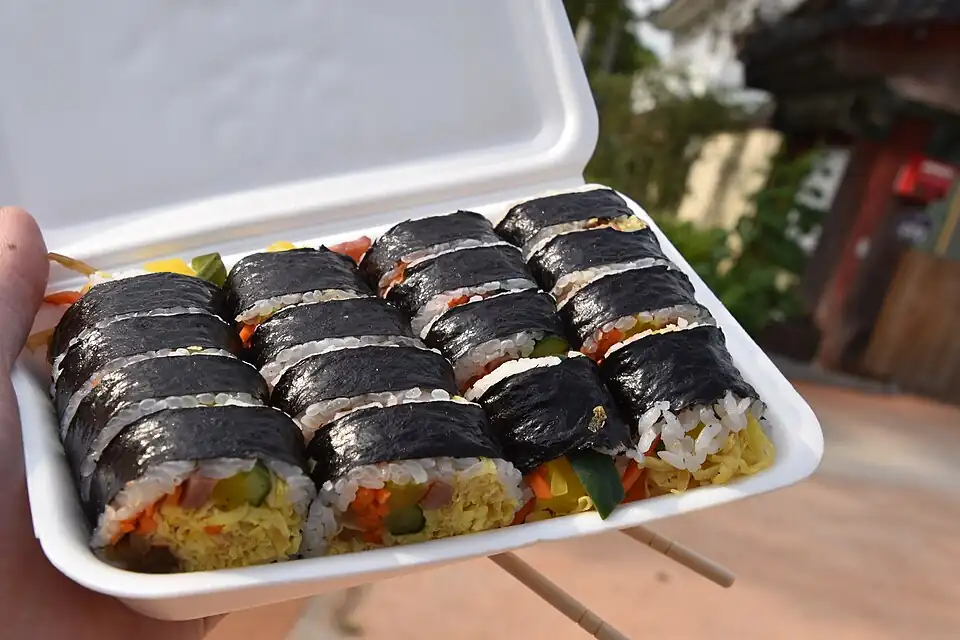
Takeout gimbap from Gyori Gimbap in GyeongjuPhoto source
Takeout gimbap from Gyori Gimbap in Gyeongju. Archive photograph: 2023-05-12. Full frame retained; resized and converted to WebP. This is Gyori gimbap, not Hwangnam burdock gimbap.
Choose the temple excursion or a slower city day. Do not attempt every stop between a late arrival and an early departure.
Walking order schematic, not a geographic trail map. Journey and visit times are editorial planning allowances. Open each place’s map and verify the actual route.
GYEONGJU · GETTING-AROUND
Transport · Arrive & get around
Intercity rail
Seoul → Gyeongju · KTX
Reserve Seoul Station → Gyeongju Station for your exact date. Select a train that actually stops at Gyeongju. Then take a separate bus or taxi to Daereungwon or your lodging; the railway station is outside the historic centre.
KTX train entering current Gyeongju station (then Singyeongju)
Actual train at current Gyeongju KTX station, called Singyeongju when photographed; not closed downtown station. Full frame retained; proportional resize and WebP conversion. Archive photograph: 2011-04-29. Station was named Singyeongju when photographed; renamed Gyeongju in 2023.
Photo credit & context
Actual train at current Gyeongju KTX station, called Singyeongju when photographed; not closed downtown station. Full frame retained; proportional resize and WebP conversion. Archive photograph: 2011-04-29. Station was named Singyeongju when photographed; renamed Gyeongju in 2023. · Tom Page / Wikimedia Commons · Source · CC BY-SA 2.0
Continue from Busan
Busan → Gyeongju · KTX
Book Busan Station → Gyeongju Station, then budget for the station-to-town transfer. Busan’s metro reaches Busan Station; it does not extend to Gyeongju. Compare a coach if your Busan base is nearer a coach terminal.
Use AREX to reach Seoul Station, then a separately reserved train to Gyeongju. Leave enough time for immigration, luggage, the airport rail journey and the station transfer. Airport rail and KTX are separate services; check the date and conditions of each ticket.
Search your departure city and Gyeongju on KOBUS for express services, or the linked intercity booking guide. Confirm whether arrival is at 경주고속버스터미널 or 경주시외버스터미널. These town terminals and the KTX station are different locations.
At the station, search 경주역 → 대릉원 or your exact accommodation in a live map. Match the bus number, direction and boarding stop before paying. The city announced changes to the station-area routes in July 2026: an old printed itinerary may be out of date. Allow roughly 45–60 minutes for transfer and waiting as a planning buffer, longer in busy traffic.
Keep Daereungwon, Hwangnidan-gil, Cheomseongdae, Gyochon and Woljeonggyo in one central day. Use the exact entrance pins, not just the attraction names. Take a taxi for a tired or rainy evening; tell the driver the Korean lodging address.
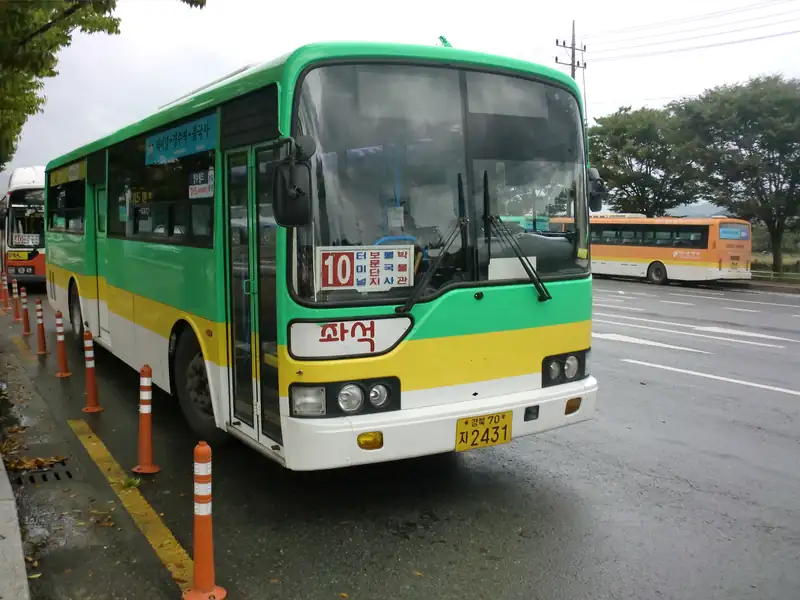
The city’s Bus 10 visitor guide includes the Bulguksa district. Use the live system to check whether route 10 or another service suits your boarding stop and direction today. Seokguram needs a further uphill transfer: check the temple’s transport notice and return connection before leaving Bulguksa. A taxi with an agreed return pickup is an alternative.
Actual Gyeongju route 10 bus; archive vehicle photograph, not a current timetable or current vehicle guarantee. Full frame retained; proportional resize and WebP conversion. Archive photograph: 2015-10-01. Vehicle photographed in 2015; route, livery and fare can differ today.
Photo credit & context
Actual Gyeongju route 10 bus; archive vehicle photograph, not a current timetable or current vehicle guarantee. Full frame retained; proportional resize and WebP conversion. Archive photograph: 2015-10-01. Vehicle photographed in 2015; route, livery and fare can differ today. · hyolee2 / Wikimedia Commons · Source · CC BY-SA 3.0
Plan the return before dinner
After the night views · Return & tickets
Before dinner, check the final usable bus and your return taxi option. Do not finish Wolji at 22:00 and assume a same-night train is reachable. If leaving by rail, work backward from the booked departure and allow the local transfer plus a station buffer.
KTX trains use the present Gyeongju Station in Geoncheon-eup. This was Singyeongju Station until its official renaming on 28 December 2023. The former station in the historic city centre is a different place: do not use an old map pin to catch your train.
Book Seoul → Gyeongju or Gyeongju → Busan using the exact train and date on KORAIL. The railway station lies outside the walkable heritage centre. Plan roughly 45–60 minutes for the station-to-centre transfer as an editorial allowance, then check the live bus route, wait and traffic; busy periods can take longer. Keep an additional buffer before your return train.
Base the central walking day around Daereungwon and Hwangnidan-gil. There is no city subway. Use local buses or a taxi for the arrival transfer and the east-side temple excursion. Show the Korean destination name to a driver, and save your accommodation address offline.
A meal of rice, leafy wraps, accompanying dishes and a main dish. The ssambap area near Daereungwon works well before an afternoon at Cheomseongdae and Gyochon. Ask what meat, fish or broth is included and whether the order minimum is per person.
Actual Gyeongju restaurant meal; restaurant unnamed in source. Full frame retained; proportional resize and WebP conversion. Archive photograph: 2005-07-30. This is not a photograph of Byeolchaeban or Gyochon Sambeknyeonjip.
Photo credit & context
Actual Gyeongju restaurant meal; restaurant unnamed in source. Full frame retained; proportional resize and WebP conversion. Archive photograph: 2005-07-30. This is not a photograph of Byeolchaeban or Gyochon Sambeknyeonjip. · ebifry / Wikimedia Commons · Source · CC BY 2.0
Gyeongju’s city food guide describes Byeolchaeban dishes such as gondalbi vegetable bibimbap and yukgaejang. The latter can include beef and offal; the vegetable dish can use fish-based seasoning. Choose from today’s actual menu rather than assuming a vegetarian dish from its name.
Actual Gyeongju restaurant meal; restaurant unnamed in source. VRT permission confirmed. Full frame retained; proportional resize and WebP conversion. Archive photograph: 2008-05-09. This is not a photograph of Byeolchaeban or Gyochon Sambeknyeonjip.
Photo credit & context
Actual Gyeongju restaurant meal; restaurant unnamed in source. VRT permission confirmed. Full frame retained; proportional resize and WebP conversion. Archive photograph: 2008-05-09. This is not a photograph of Byeolchaeban or Gyochon Sambeknyeonjip. · Jinho Jung / Wikimedia Commons · Source · CC BY-SA 3.0
A convenient named restaurant for the Gyochon and Woljeonggyo part of the day. The visitor listing describes vegetable bibimbap and Korean dishes. Check ingredients, the day’s menu, break time and last orders with the venue. This card uses the listing; no unverified photograph is presented as this restaurant’s dish.
Gyochon traditional village. Archive photograph: 2018-09-30 17:00:55. Full frame retained; resized and converted to WebP. Historic village architecture, not a photographed hotel room.
Photo credit & context
Gyochon traditional village. Archive photograph: 2018-09-30 17:00:55. Full frame retained; resized and converted to WebP. Historic village architecture, not a photographed hotel room. · Christophe95 / Wikimedia Commons · Source · CC BY-SA 4.0
Confirm meat, quantity & total price
Beef barbecue · An evening meal
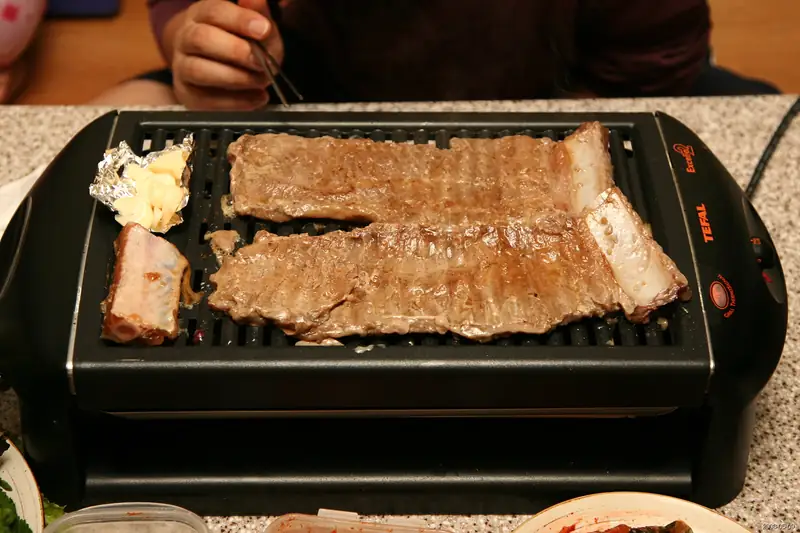
For a longer dinner, compare current beef barbecue menus near your lodging or the centre. Ask whether the meat is Hanwoo or another origin, the grams per portion, minimum number of portions and whether rice is extra. The photograph is a documented Gyeongju beef-galbi meal; it does not identify a named restaurant or certify Hanwoo.
Actual Gyeongju beef galbi; do not claim hanwoo breed or a named restaurant. Commons description and EXIF disagree on date. Credit follows exact Commons page spelling. VRT permission confirmed. Full frame retained; proportional resize and WebP conversion. Archive photograph: 2009-05-10 (Commons description; EXIF says 2008-05-09). This is not a photograph of Byeolchaeban or Gyochon Sambeknyeonjip.
Photo credit & context
Actual Gyeongju beef galbi; do not claim hanwoo breed or a named restaurant. Commons description and EXIF disagree on date. Credit follows exact Commons page spelling. VRT permission confirmed. Full frame retained; proportional resize and WebP conversion. Archive photograph: 2009-05-10 (Commons description; EXIF says 2008-05-09). This is not a photograph of Byeolchaeban or Gyochon Sambeknyeonjip. · Junho Jung / Wikimedia Commons · Source · CC BY-SA 3.0
The Hwangnam burdock gimbap listing is at 1074 Poseok-ro. Check the shop pin, spicy/non-spicy options and fillings before ordering. The separately labelled Gyori gimbap photograph in this section is another local product, not a picture of this burdock roll.
Pair a rice-cake snack with Gyochon, or enquire about an actual pounding session at Gyochon Garam. A class requires a separate availability check. The injeolmi photograph is a representative food image, not a photograph of that café or a guaranteed session. Ask about soybean coating and allergens.
Representative Korean injeolmi; location unspecified, not a Gyeongju bakery or named restaurant. Exact Commons file is verified CC0, despite original Pixabay source. Full frame retained; proportional resize and WebP conversion. Archive photograph: 2018-03-18. This is not a photograph of Byeolchaeban or Gyochon Sambeknyeonjip.
Photo credit & context
Representative Korean injeolmi; location unspecified, not a Gyeongju bakery or named restaurant. Exact Commons file is verified CC0, despite original Pixabay source. Full frame retained; proportional resize and WebP conversion. Archive photograph: 2018-03-18. This is not a photograph of Byeolchaeban or Gyochon Sambeknyeonjip. · ally j / Wikimedia Commons · Source · CC0 1.0
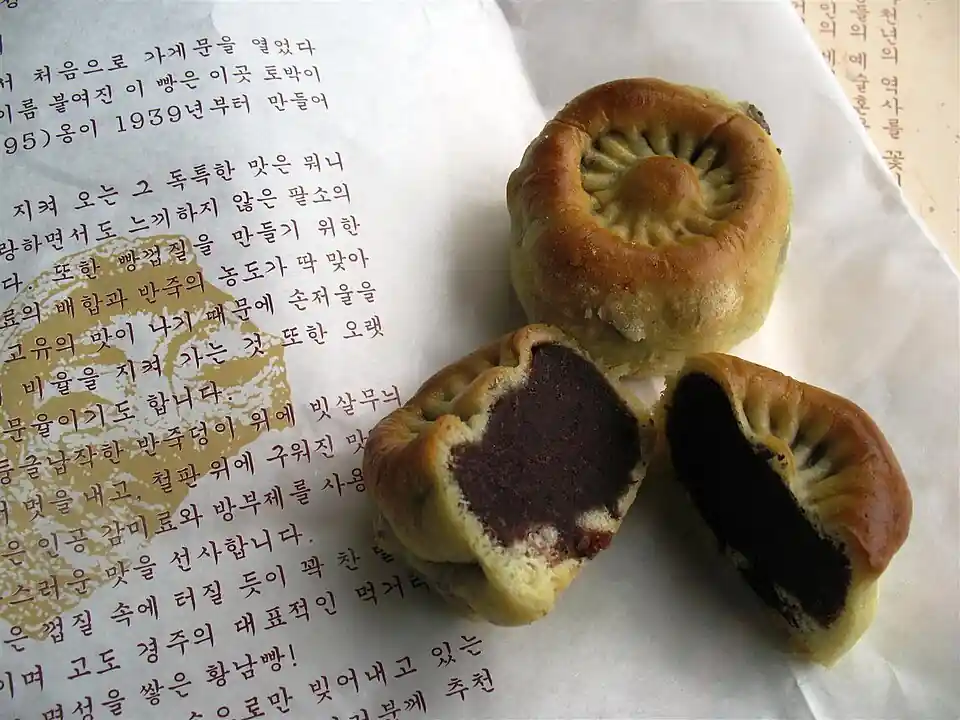
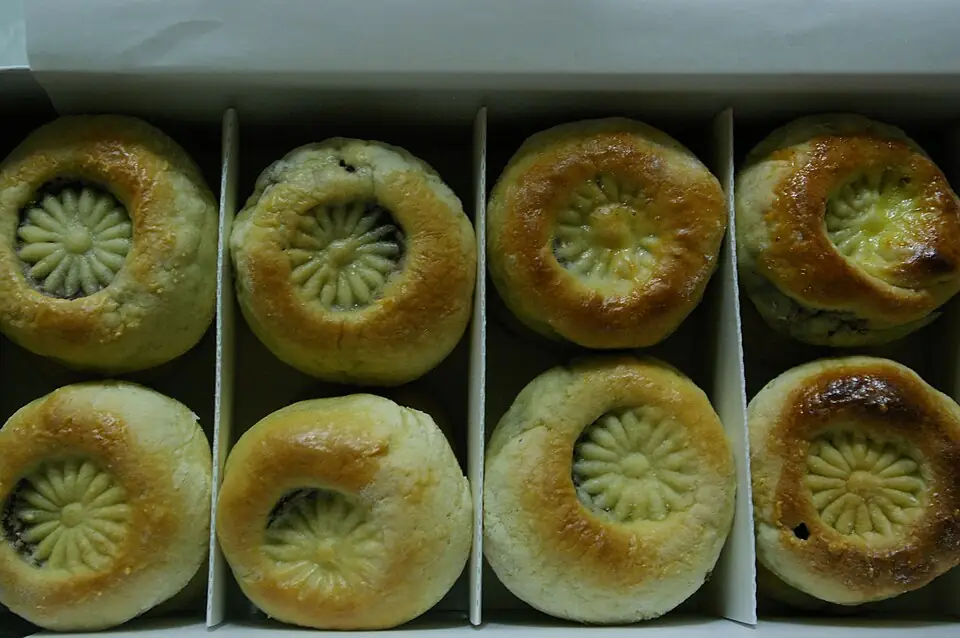
Hwangnam bread (황남빵): the established red-bean pastry brand traces its beginnings to 1939. Gyeongju bread (경주빵): a broader local pastry name used by multiple bakeries; it is not automatically the same brand. Buy a small portion first and check the package storage instructions before taking a box onward to Busan.
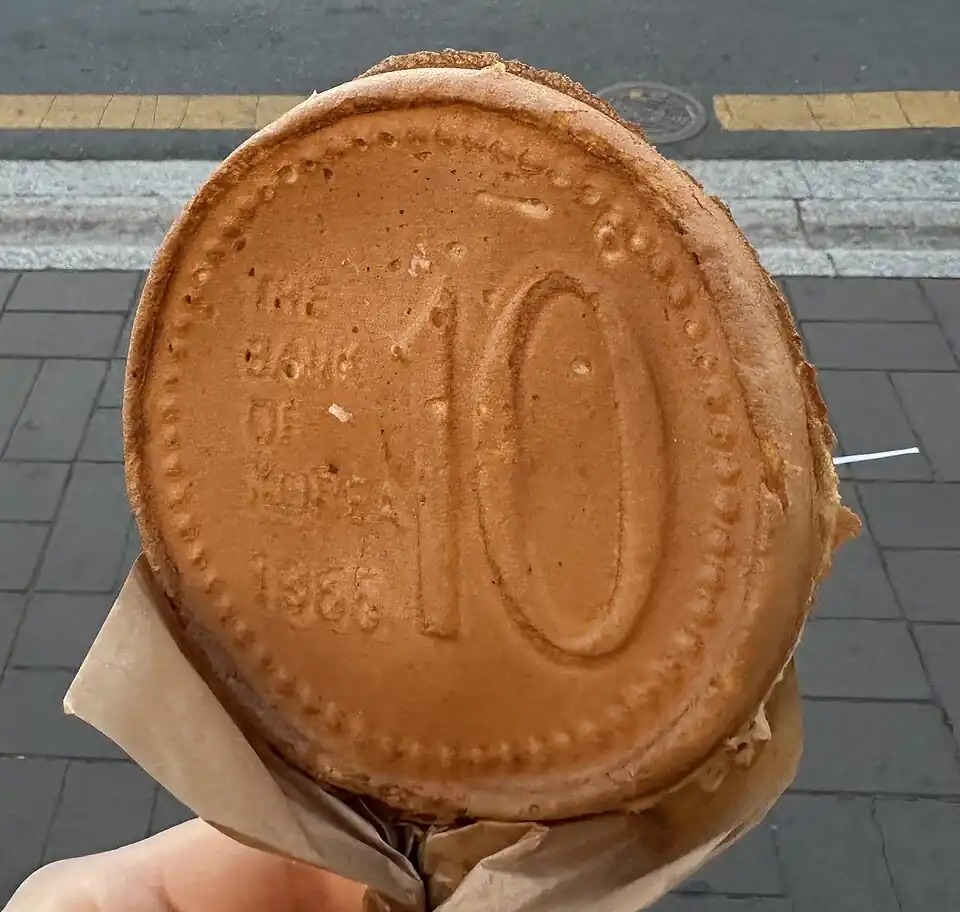
10-won bread (십원빵): a modern coin-shaped snack, commonly with a melted-cheese filling. The coin design does not mean the selling price is ten won. Eat carefully while hot and ask about dairy, wheat and egg ingredients.
Hwangnam burdock gimbap (황남 우엉김밥): the listing at 1074 Poseok-ro is a practical Hwangnidan-gil option. Confirm the actual shop name and today’s menu; ask about spicy sauce, portion size and fillings. A burdock topping does not guarantee vegetarian stock or fillings. The gallery’s Gyori gimbap photo is labelled as that separate product, not as Hwangnam burdock gimbap.
Gyochon Sambeknyeonjip (교촌삼백년집): a meal option at 39-19 Gyochon-gil, convenient for the village and bridge segment. Check the current menu, waiting list and break time directly. The restaurant name is not evidence that the business has operated for 300 years.
For a full meal, choose rice dishes or a Korean set meal according to your budget, dietary needs and current menu. Check minimum orders before sitting down. Food photographs below show the identified snacks or village setting; they are not claims that every named restaurant serves the pictured plate.
Hwangnam bread with red bean filling. Archive photograph: 2012-05-02. Full frame retained; resized and converted to WebP.
Photo credit & context
Hwangnam bread with red bean filling. Archive photograph: 2012-05-02. Full frame retained; resized and converted to WebP. · ProjectManhattan · Source · CC0
10-won bread in Gyeongju
10-won bread in Gyeongju. Archive photograph: 2025-01-07. Full frame retained; resized and converted to WebP.
Photo credit & context
10-won bread in Gyeongju. Archive photograph: 2025-01-07. Full frame retained; resized and converted to WebP. · Seefooddiet · Source · CC BY-SA 4.0
Gyeongju bread
Gyeongju bread. Archive photograph: 2009-11-03. Full frame retained; resized and converted to WebP.
Photo credit & context
Gyeongju bread. Archive photograph: 2009-11-03. Full frame retained; resized and converted to WebP. · 아침꿀물 · Source · CC BY-SA 3.0
Takeout gimbap from Gyori Gimbap in Gyeongju
Takeout gimbap from Gyori Gimbap in Gyeongju. Archive photograph: 2023-05-12. Full frame retained; resized and converted to WebP. This is Gyori gimbap, not Hwangnam burdock gimbap.
Photo credit & context
Takeout gimbap from Gyori Gimbap in Gyeongju. Archive photograph: 2023-05-12. Full frame retained; resized and converted to WebP. This is Gyori gimbap, not Hwangnam burdock gimbap. · Fred Cherrygarden · Source · CC BY-SA 4.0
Gyeongju was the capital of Silla, a kingdom traditionally dated from 57 BCE to 935 CE. The city rewards a slower visit: royal burial mounds, Buddhist sculpture and astronomical heritage survive within an ordinary modern town. They are different chapters of history, not one reconstructed palace complex.
UNESCO inscribed the Gyeongju Historic Areas in 2000: Namsan, Wolseong, the tumuli area, Hwangnyongsa and the fortress area. Bulguksa and Seokguram form a separate World Heritage inscription dating to 1995. The granite grotto and temple express the sophisticated Buddhist art of eighth-century Silla.
Gyochon also tells a later story. Its Confucian-school tradition and the Choe family house belong to a different historical layer from Silla royal monuments. Woljeonggyo is a modern reconstruction of a Silla bridge, and the pavilions around Wolji are restored structures. Enjoy their beauty while distinguishing surviving archaeological remains from restoration.
Visit Gyeongju National Museum to understand objects recovered from the tombs and palace pond before, or after, seeing their landscapes. It is a useful rainy-day alternative; check opening dates and special exhibitions on the museum website.
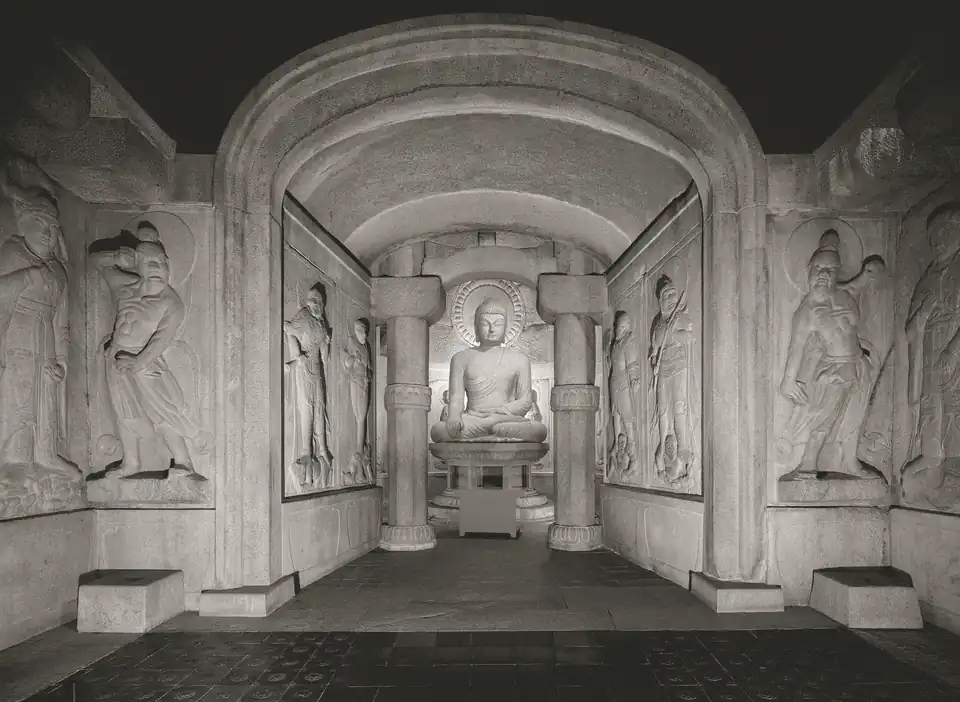
Seokguram Buddha. Archive photograph: 2011-09-10 00:05:28. Full frame retained; resized and converted to WebP. Heritage archive image, not a visitor access or photography permission.
Photo credit & context
Seokguram Buddha. Archive photograph: 2011-09-10 00:05:28. Full frame retained; resized and converted to WebP. Heritage archive image, not a visitor access or photography permission. · Han Seok-Hong / Cultural Heritage Administration (문화재청) / Wikimedia Commons · Source · KOGL Type 1
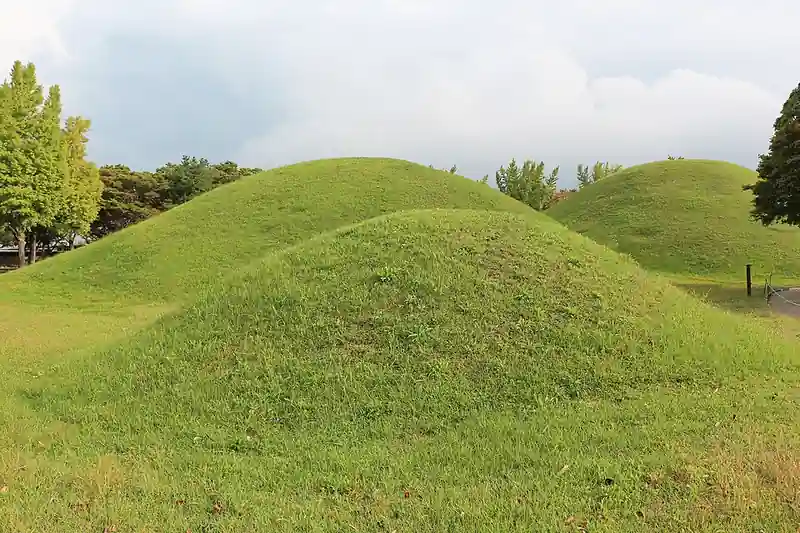
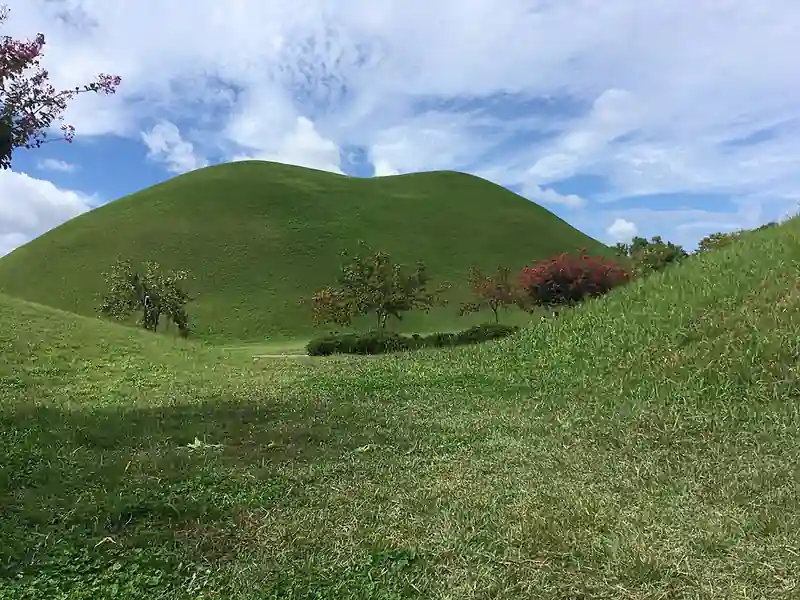
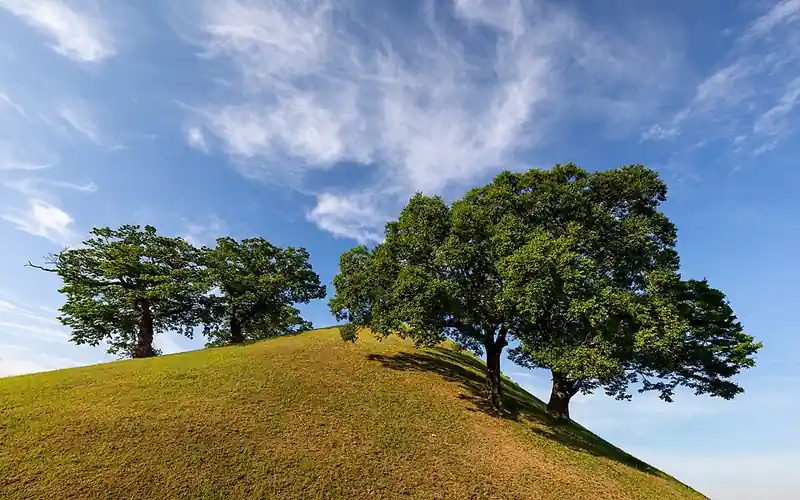
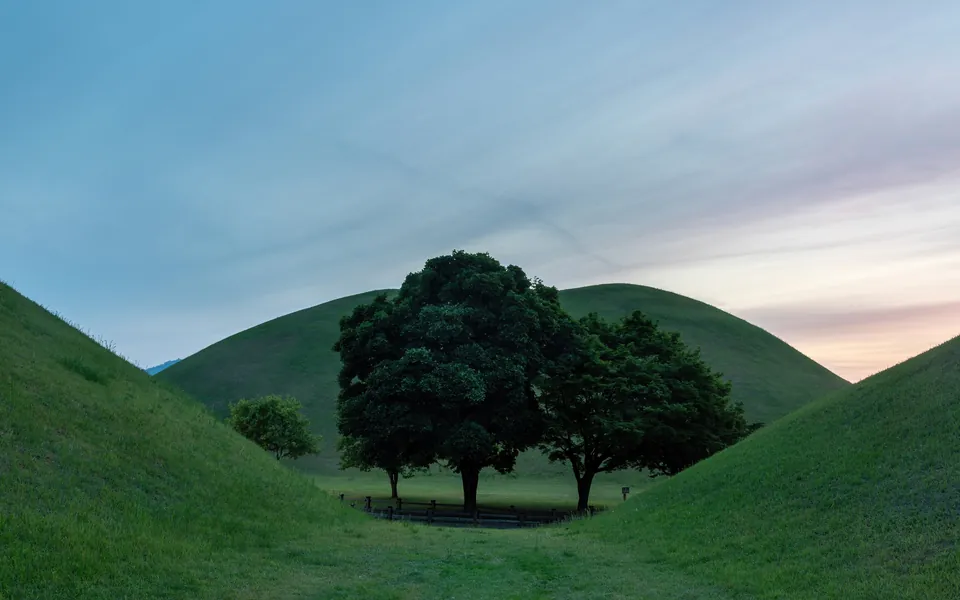
Begin with Daereungwon rather than rushing through it for a single photograph. The rounded, grass-covered mounds are ancient burial sites. Look for the immense paired Hwangnamdaechong mound, then compare the scale of smaller tombs and the way the park paths reveal them.
The Daereungwon garden grounds have been free to enter since 2023. Cheonmachong, the tomb exhibition inside the complex, is separately ticketed: check its current fee and entry cutoff at the city/operator link. Do not mistake free outdoor access for free admission to every interior.
Allow 60–90 minutes as a suggested visit, more if entering Cheonmachong or queuing at popular photo spots. Stay on designated paths and avoid climbing the burial mounds. The short onward walk leads to Hwangnidan-gil for lunch.
Daereungwon tumuli. Archive photograph: 2022-10-06. Full frame retained; resized and converted to WebP.
Photo credit & context
Daereungwon tumuli. Archive photograph: 2022-10-06. Full frame retained; resized and converted to WebP. · Bernard Gagnon / Wikimedia Commons · Source · CC0 1.0
Daereungwon tumuli at sunset
Daereungwon tumuli at sunset. Archive photograph: Taken on 11 June 2024, 19:51:36. Full frame retained; resized and converted to WebP.
Photo credit & context
Daereungwon tumuli at sunset. Archive photograph: Taken on 11 June 2024, 19:51:36. Full frame retained; resized and converted to WebP. · Basile Morin / Wikimedia Commons · Source · CC BY-SA 4.0
Daereungwon tumuli
Daereungwon tumuli. Archive photograph: 2018-09-30 13:18:43. Full frame retained; resized and converted to WebP.
Photo credit & context
Daereungwon tumuli. Archive photograph: 2018-09-30 13:18:43. Full frame retained; resized and converted to WebP. · Christophe95 / Wikimedia Commons · Source · CC BY-SA 4.0
Daereungwon Nodong-ri tumuli
Daereungwon Nodong-ri tumuli. Archive photograph: 2024-06-09 18:06:10. Full frame retained; resized and converted to WebP.
Photo credit & context
Daereungwon Nodong-ri tumuli. Archive photograph: 2024-06-09 18:06:10. Full frame retained; resized and converted to WebP. · Basile Morin / Wikimedia Commons · Source · CC BY-SA 4.0
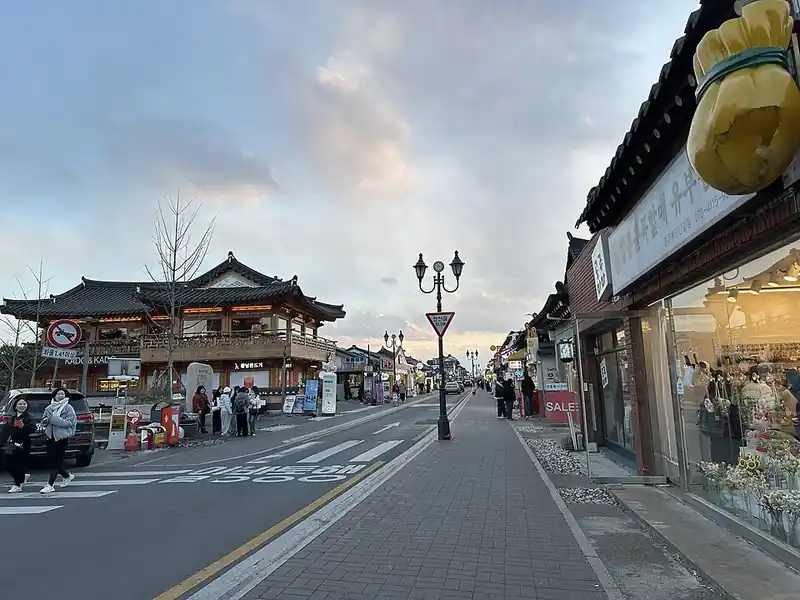
Hwangnidan-gil is the modern café, shopping and snack district around Hwangnam-dong. Its attraction is the contrast between low tiled roofs, small contemporary businesses and nearby ancient monuments. Walk side streets as well as the main road, but respect residents and private guesthouses.
Choose a proper lunch here, then share one or two snacks rather than filling the day with queues. Weekends can be crowded: allow time to read the waiting system and confirm the kitchen closing time. Carry a small waste bag and avoid eating inside protected monument areas.
Optional footbath: the directory-listed Gyeongju Shwim Foot Bath Cafe, Hwangridan branch (경주쉼족욕카페 황리단점), is listed at 2F, 51 Poseok-ro 1050beon-gil. Treat this as a candidate, not a confirmed booking: contact the venue to verify that it still operates, its fee, hygiene arrangements and accessibility. This is a seated café footbath, not permission to enter the heritage pond or river.
Hwangnidan-gil street. Archive photograph: 2025-01-09 13:25:53. Full frame retained; resized and converted to WebP.
Photo credit & context
Hwangnidan-gil street. Archive photograph: 2025-01-09 13:25:53. Full frame retained; resized and converted to WebP. · Seefooddiet / Wikimedia Commons · Source · CC BY-SA 4.0
Hwangnidan-gil street
Hwangnidan-gil street. Archive photograph: 2025-01-07 17:02:56. Full frame retained; resized and converted to WebP.
Photo credit & context
Hwangnidan-gil street. Archive photograph: 2025-01-07 17:02:56. Full frame retained; resized and converted to WebP. · Seefooddiet / Wikimedia Commons · Source · CC BY-SA 4.0
GYEONGJU · GEUMGWANCHONG
Geumgwanchong & Silla Tombs Information Center
Add these indoor stops to the Daereungwon and Hwangnidan-gil area. Geumgwanchong introduces Silla’s stone-and-wood tomb construction. The nearby Silla Tombs Information Center combines gold-crown replicas with digital displays about the tombs.
Treat this as a separate stop from Cheonmachong. Follow the museum visit with a café break before the next transfer. Check current admission and programme availability with the venue.
Keep Gyeongju National Museum as a distinct stop after the tomb exhibitions, with a separate local transfer. Explore the official exhibition guide before visiting, including Silla Cheonnyeon Bogo (Treasury of the Silla Millennium), when available.
An afternoon museum visit is a planning choice, not a fixed reservation or guaranteed entry. Verify opening days and the final admission time; keep enough time for your return train.
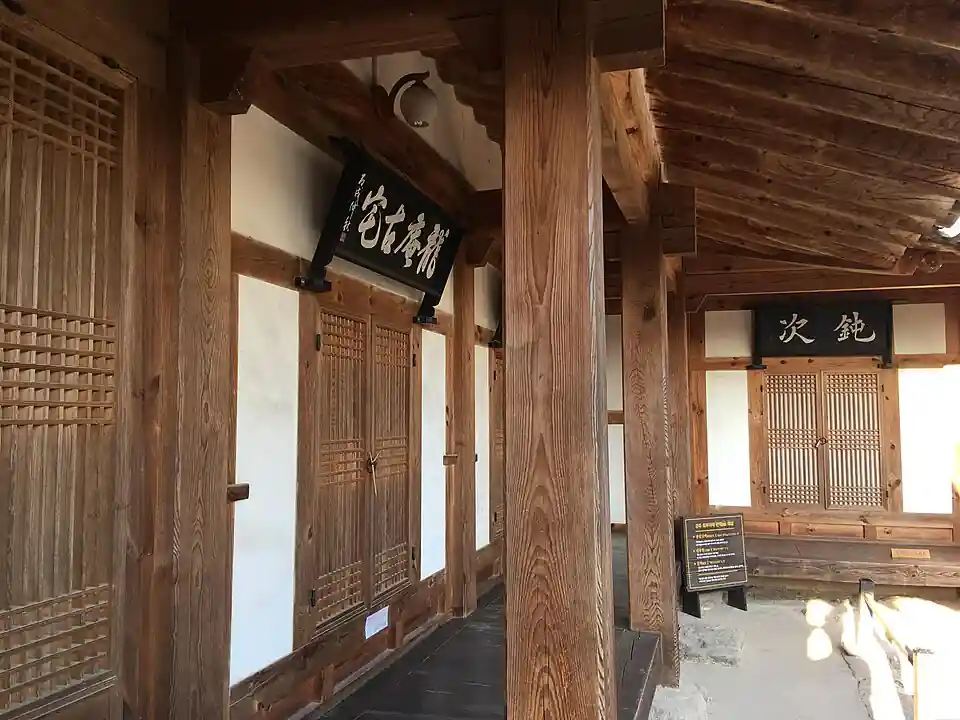
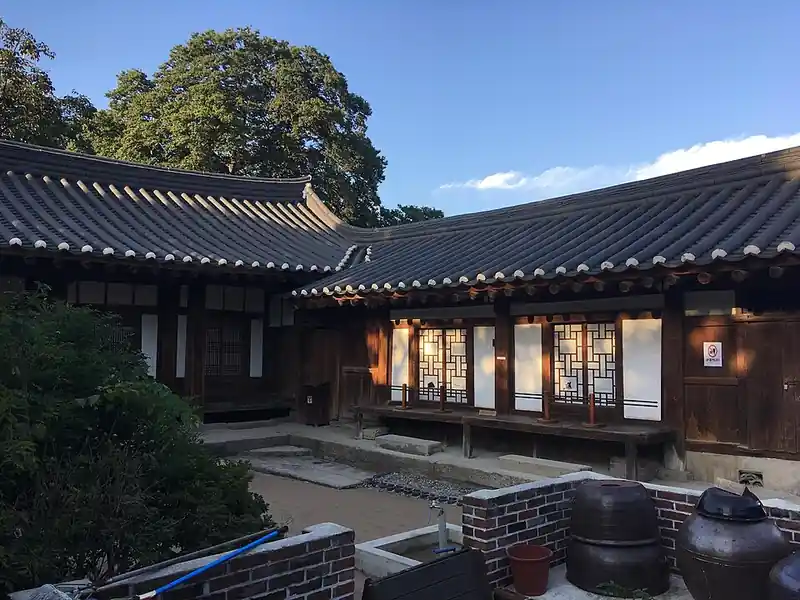
Cross into Gyochon Traditional Village for tiled rooflines, lanes and the Choe wealthy family house (최부잣집). The historic house belongs to the Joseon-era story of the family, associated with community-minded household principles and local philanthropy. It is not a Silla royal residence.
The name Gyochon reflects the village’s educational tradition. Visit the public areas slowly, read interpretation signs and distinguish publicly accessible spaces from occupied homes, cafés and lodging.
For rice-cake pounding (떡메치기) and injeolmi, Gyochon Garam (교촌가람) has been described in city tourism material as a rice-cake café with workshops. Phone 054-748-7789 before arranging your day: the material is an archive reference, not proof of a session on your date. Ask for the session time, cost, group size, reservation method and whether instructions are available in your language.
Injeolmi is commonly coated with roasted soybean powder. Ask about soy and other ingredients if you have an allergy. A pounding demonstration and a paid class may be different products: confirm whether you actually participate before reserving.
Gyochon traditional village. Archive photograph: 2018-09-30 16:59:44. Full frame retained; resized and converted to WebP. Historic village architecture, not a photographed hotel room.
Photo credit & context
Gyochon traditional village. Archive photograph: 2018-09-30 16:59:44. Full frame retained; resized and converted to WebP. Historic village architecture, not a photographed hotel room. · Christophe95 / Wikimedia Commons · Source · CC BY-SA 4.0
Choe clan historic house
Choe clan historic house. Archive photograph: 2025-01-08 14:25:10. Full frame retained; resized and converted to WebP. Historic village architecture, not a photographed hotel room.
Photo credit & context
Choe clan historic house. Archive photograph: 2025-01-08 14:25:10. Full frame retained; resized and converted to WebP. Historic village architecture, not a photographed hotel room. · Seefooddiet / Wikimedia Commons · Source · CC BY-SA 4.0
Gyochon traditional village
Gyochon traditional village. Archive photograph: 2018-09-30 17:00:55. Full frame retained; resized and converted to WebP. Historic village architecture, not a photographed hotel room.
Photo credit & context
Gyochon traditional village. Archive photograph: 2018-09-30 17:00:55. Full frame retained; resized and converted to WebP. Historic village architecture, not a photographed hotel room. · Christophe95 / Wikimedia Commons · Source · CC BY-SA 4.0
Gyochon traditional village
Gyochon traditional village. Archive photograph: 2018-09-30 17:01:51. Full frame retained; resized and converted to WebP. Historic village architecture, not a photographed hotel room.
Photo credit & context
Gyochon traditional village. Archive photograph: 2018-09-30 17:01:51. Full frame retained; resized and converted to WebP. Historic village architecture, not a photographed hotel room. · Christophe95 / Wikimedia Commons · Source · CC BY-SA 4.0
Choe clan historic house
Choe clan historic house. Archive photograph: 2018-09-30 16:58:03. Full frame retained; resized and converted to WebP. Historic village architecture, not a photographed hotel room.
Photo credit & context
Choe clan historic house. Archive photograph: 2018-09-30 16:58:03. Full frame retained; resized and converted to WebP. Historic village architecture, not a photographed hotel room. · Christophe95 / Wikimedia Commons · Source · CC BY-SA 4.0
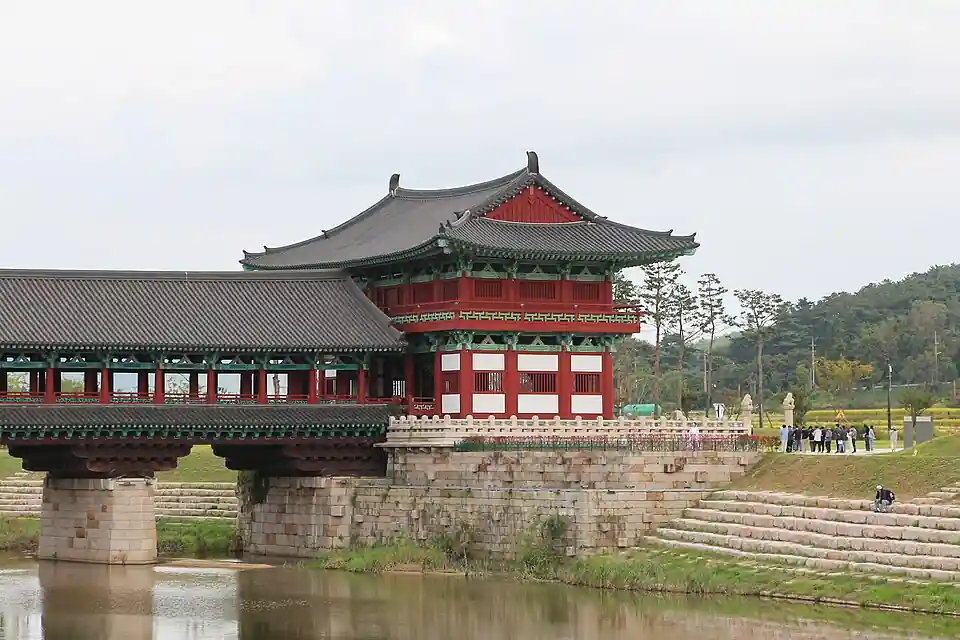
Woljeonggyo in winter daylight
Woljeonggyo in winter daylight. Archive photograph: 2025-01-08. Full frame retained; resized and converted to WebP.
Photo credit & context
Woljeonggyo in winter daylight. Archive photograph: 2025-01-08. Full frame retained; resized and converted to WebP. · Seefooddiet · Source · CC BY-SA 4.0
Woljeonggyo winter bridge detail
Woljeonggyo winter bridge detail. Archive photograph: 2025-01-08. Full frame retained; resized and converted to WebP.
Photo credit & context
Woljeonggyo winter bridge detail. Archive photograph: 2025-01-08. Full frame retained; resized and converted to WebP. · Seefooddiet · Source · CC BY-SA 4.0
Gyeongju Choi clan house in Gyochon
Gyeongju Choi clan house in Gyochon. Archive photograph: 2025-01-08. Full frame retained; resized and converted to WebP. Historic village architecture, not a photographed hotel room.
Photo credit & context
Gyeongju Choi clan house in Gyochon. Archive photograph: 2025-01-08. Full frame retained; resized and converted to WebP. Historic village architecture, not a photographed hotel room. · Seefooddiet · Source · CC BY-SA 4.0
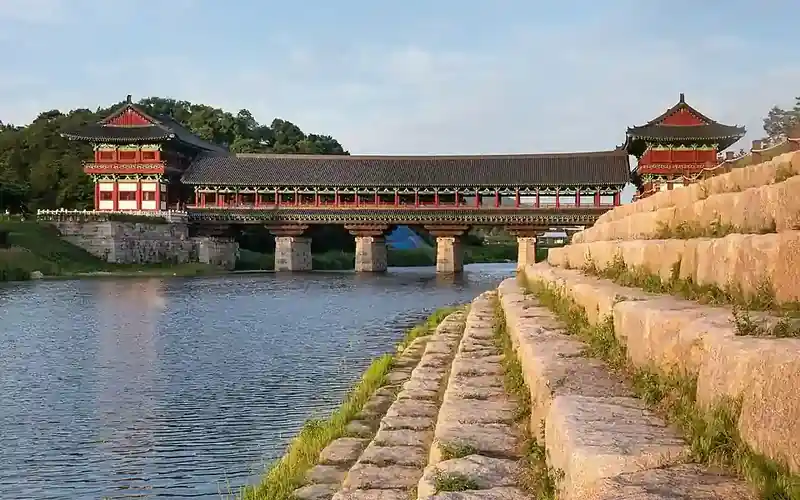
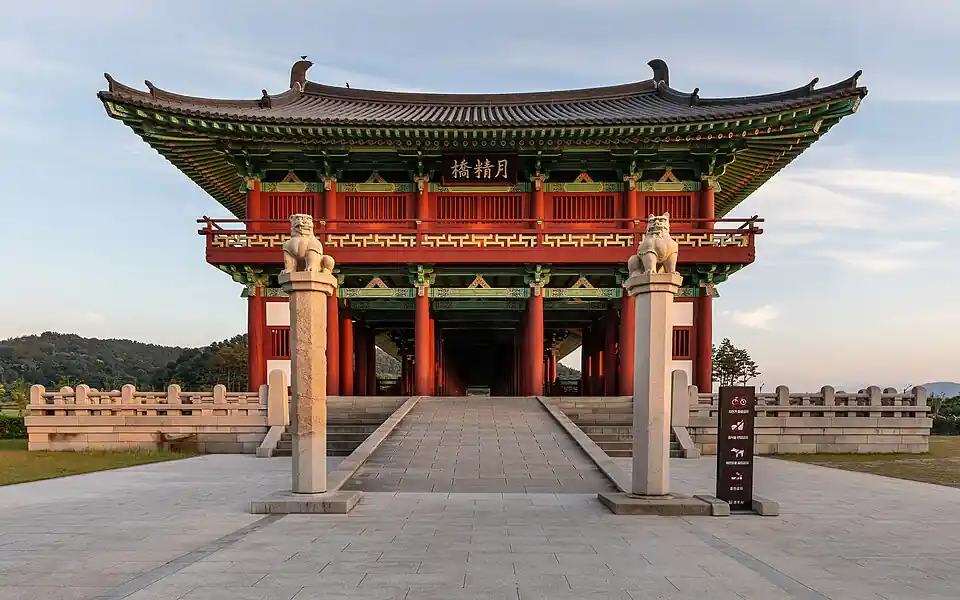
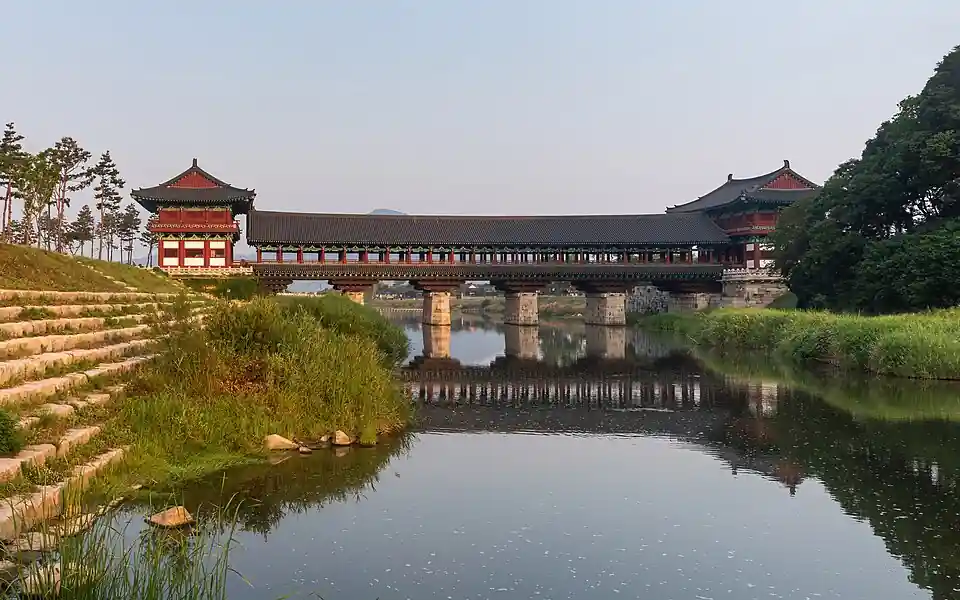
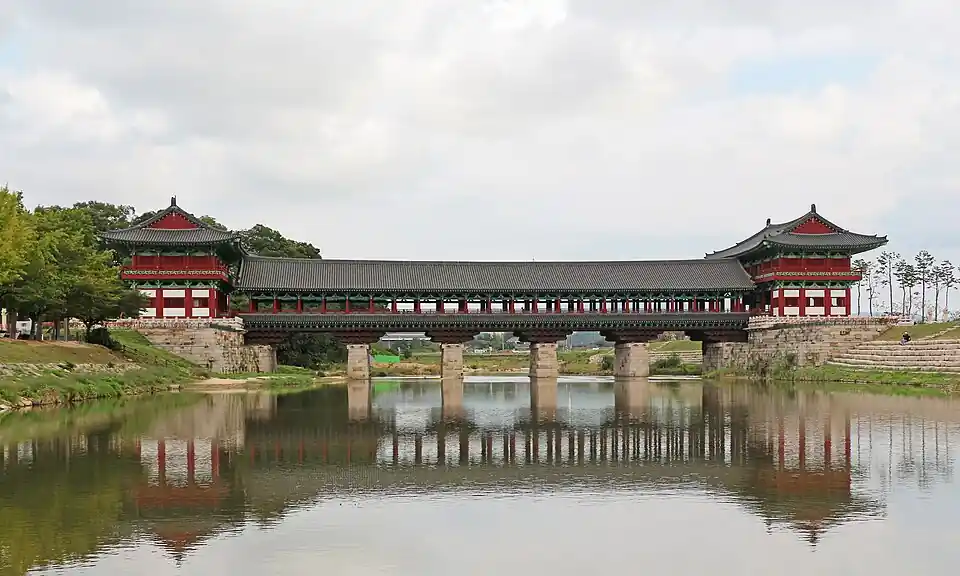
Woljeonggyo began as a Silla-period bridge associated with 760; the bridge seen today was reconstructed, with completion in 2018. See the timber detail in daylight, then photograph the illuminated bridge from permitted riverside paths after dusk. Do not enter the water for a foot-dipping scene.
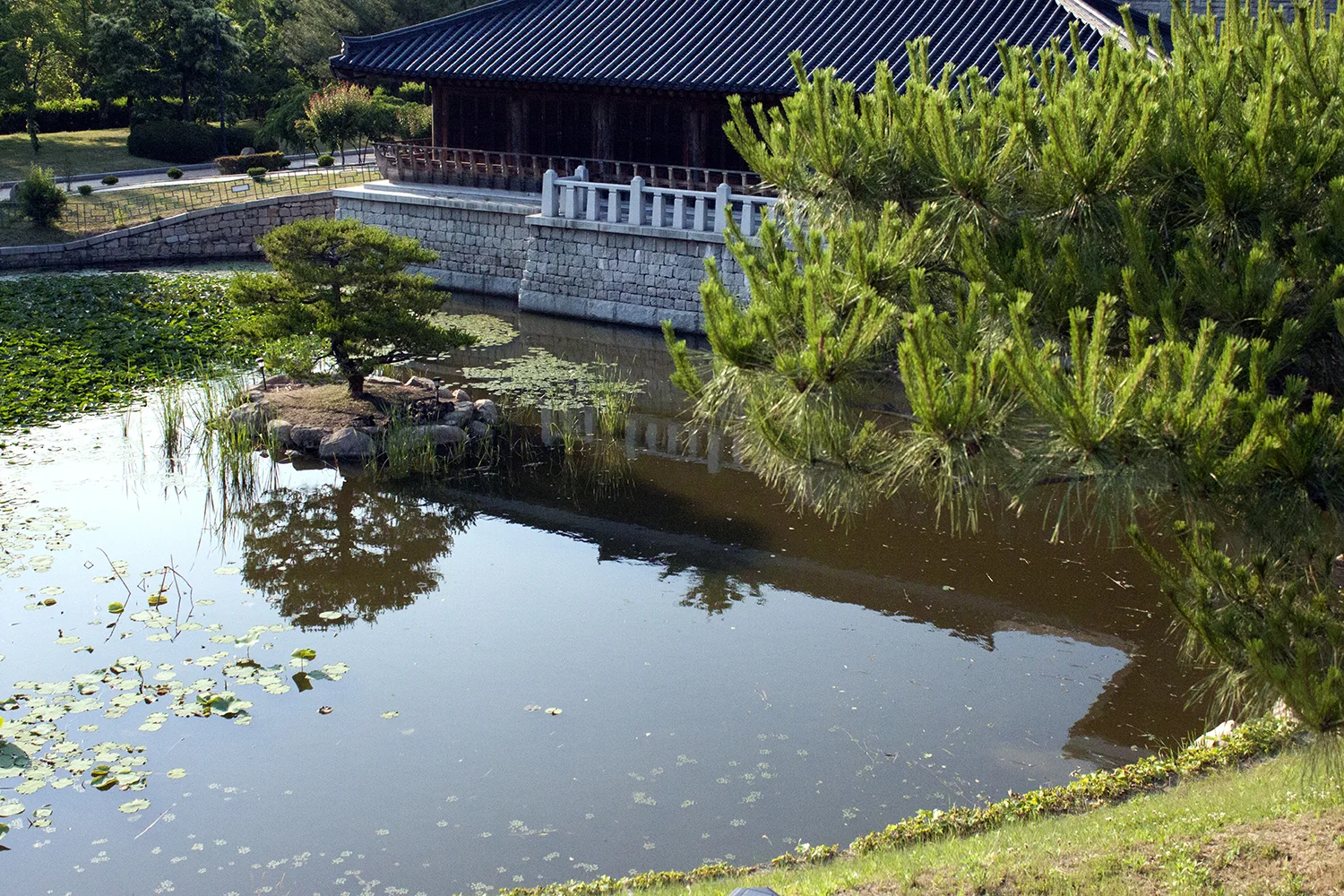
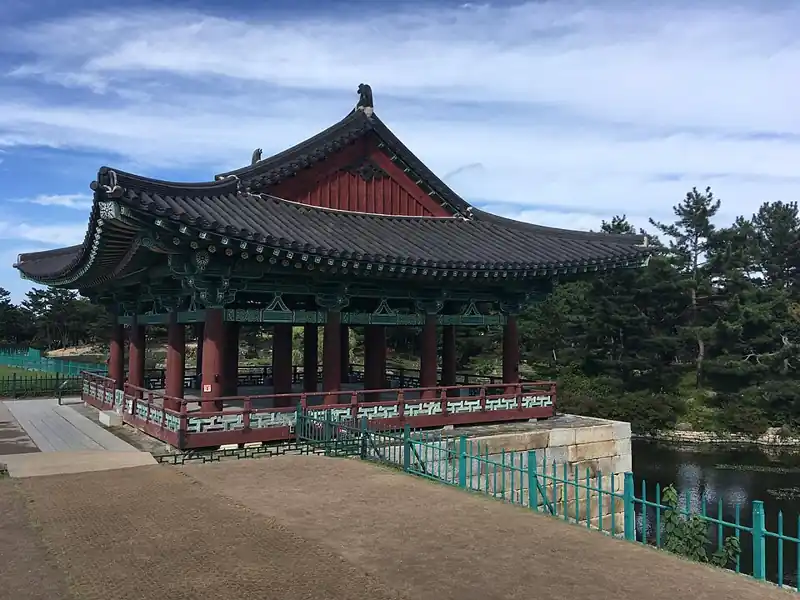
Donggung and Wolji (동궁과 월지), formerly often called Anapji, combines an eastern palace site with a garden pond. The pond dates to 674; palace buildings developed subsequently. Today’s restored pavilions make memorable reflections, but they are not intact original Silla wooden buildings.
Official city visitor information checked for this guide lists adult admission KRW 3,000, youth KRW 2,000 and child KRW 1,000. Listed viewing hours are 09:00–22:00 with ticket sales ending at 21:30. Address: 102 Wonhwa-ro. Recheck the official link before travelling because closures and operating arrangements can change.
For an unrushed evening, have dinner before the second night stop. Allow about 45–75 minutes at Wolji, plus the walk or taxi transfer. The suggested bridge → pond pairing is an editorial route, not a promise of simultaneous lighting. Wear comfortable shoes and a warm layer; keep a charged phone for the return journey.
Donggung and Wolji at night. Archive photograph: 2016-08-16. Full frame retained; resized and converted to WebP.
Photo credit & context
Donggung and Wolji at night. Archive photograph: 2016-08-16. Full frame retained; resized and converted to WebP. · Ckdeo8282 · Source · CC BY-SA 4.0
Donggung and Wolji at twilight with illuminated pavilions
Donggung and Wolji at twilight with illuminated pavilions. Archive photograph: 2017-05-06. Full frame retained; resized and converted to WebP.
Photo credit & context
Donggung and Wolji at twilight with illuminated pavilions. Archive photograph: 2017-05-06. Full frame retained; resized and converted to WebP. · Md Reyazul Islam · Source · CC BY-SA 3.0
Woljeonggyo and stone steps at golden hour
Woljeonggyo and stone steps at golden hour. Archive photograph: 2024-06-09. Full frame retained; resized and converted to WebP.
Photo credit & context
Woljeonggyo and stone steps at golden hour. Archive photograph: 2024-06-09. Full frame retained; resized and converted to WebP. · Basile Morin · Source · CC BY-SA 4.0
Woljeonggyo stone columns and bridge details
Woljeonggyo stone columns and bridge details. Archive photograph: 2024-06-09. Full frame retained; resized and converted to WebP.
Photo credit & context
Woljeonggyo stone columns and bridge details. Archive photograph: 2024-06-09. Full frame retained; resized and converted to WebP. · Basile Morin · Source · CC BY-SA 4.0
Woljeonggyo reflection at golden hour
Woljeonggyo reflection at golden hour. Archive photograph: 2024-06-11. Full frame retained; resized and converted to WebP.
Photo credit & context
Woljeonggyo reflection at golden hour. Archive photograph: 2024-06-11. Full frame retained; resized and converted to WebP. · Basile Morin · Source · CC BY-SA 4.0
Woljeonggyo daylight
Woljeonggyo daylight. Archive photograph: 2022-10-06. Full frame retained; resized and converted to WebP.
Photo credit & context
Woljeonggyo daylight. Archive photograph: 2022-10-06. Full frame retained; resized and converted to WebP. · Bernard Gagnon · Source · CC0
Woljeonggyo daylight alternate view
Woljeonggyo daylight alternate view. Archive photograph: 2022-10-06. Full frame retained; resized and converted to WebP.
Photo credit & context
Woljeonggyo daylight alternate view. Archive photograph: 2022-10-06. Full frame retained; resized and converted to WebP. · Bernard Gagnon · Source · CC0
Woljeonggyo at dusk
Woljeonggyo at dusk. Archive photograph: 2024-11-12. Full frame retained; resized and converted to WebP.
Photo credit & context
Woljeonggyo at dusk. Archive photograph: 2024-11-12. Full frame retained; resized and converted to WebP. · lumoplank · Source · CC0
Donggung and Wolji at blue hour
Donggung and Wolji at blue hour. Archive photograph: 2024-06-10. Full frame retained; resized and converted to WebP.
Photo credit & context
Donggung and Wolji at blue hour. Archive photograph: 2024-06-10. Full frame retained; resized and converted to WebP. · Basile Morin · Source · CC BY-SA 4.0
Donggung and Wolji in daylight
Donggung and Wolji in daylight. Archive photograph: 2018-09-30. Full frame retained; resized and converted to WebP.
Photo credit & context
Donggung and Wolji in daylight. Archive photograph: 2018-09-30. Full frame retained; resized and converted to WebP. · Christophe95 · Source · CC BY-SA 4.0
Donggung pavilion in daylight
Donggung pavilion in daylight. Archive photograph: 2018-09-30. Full frame retained; resized and converted to WebP.
Photo credit & context
Donggung pavilion in daylight. Archive photograph: 2018-09-30. Full frame retained; resized and converted to WebP. · Christophe95 · Source · CC BY-SA 4.0
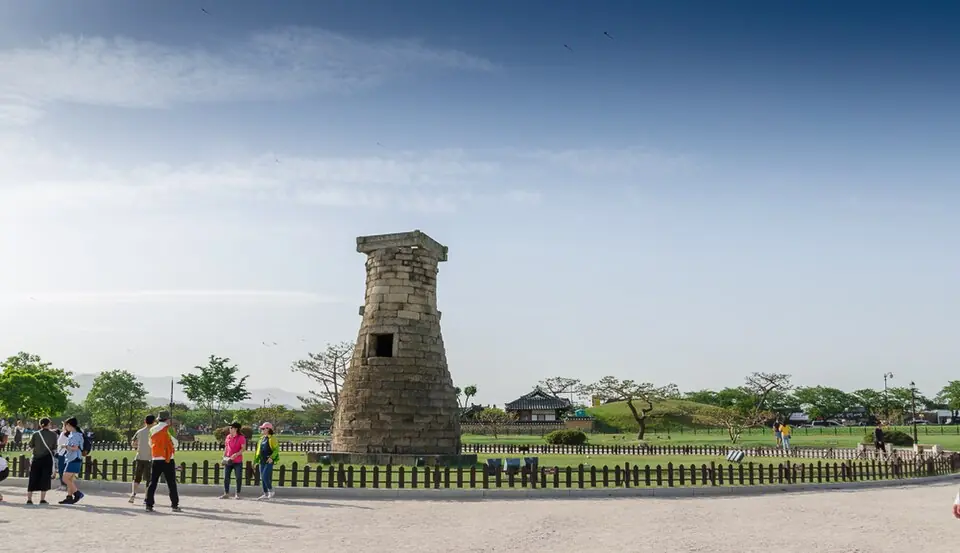
Cheomseongdae is the stone astronomical monument associated with Silla’s Queen Seondeok. Compare the circular body, rectangular opening and upper stones, then look at the surrounding open landscape. Claims about symbolic stone counts are interpretations; the monument deserves more than an unexplained photo stop.
An exterior visit fits between Daereungwon and Gyochon, or as a short evening return. Budget 20–40 minutes plus the surrounding walk. Seasonal flower photographs are archive views, not confirmation that flowers are currently blooming.
Media façade: a city announcement in February 2026 described an extended programme following APEC. This does not establish an October 2026 operating calendar. No current dated schedule has been confirmed for this guide: check the city’s events notice or tourist information before planning your evening around a projection. The separate Daereungwon media-art event ending 27 September 2026 is already over.
Cheomseongdae observatory. Archive photograph: 2017-05-06 05:09:56. Full frame retained; resized and converted to WebP. Seasonal plants shown here are not a live flowering report.
Photo credit & context
Cheomseongdae observatory. Archive photograph: 2017-05-06 05:09:56. Full frame retained; resized and converted to WebP. Seasonal plants shown here are not a live flowering report. · Md Reyazul Islam / Wikimedia Commons · Source · CC BY-SA 3.0
Cheomseongdae observatory
Cheomseongdae observatory. Archive photograph: 2017-05-06 05:51:16. Full frame retained; resized and converted to WebP. Seasonal plants shown here are not a live flowering report.
Photo credit & context
Cheomseongdae observatory. Archive photograph: 2017-05-06 05:51:16. Full frame retained; resized and converted to WebP. Seasonal plants shown here are not a live flowering report. · Md Reyazul Islam / Wikimedia Commons · Source · CC BY-SA 3.0
Cheomseongdae observatory
Cheomseongdae observatory. Archive photograph: 2023-04-30 16:29:07. Full frame retained; resized and converted to WebP. Seasonal plants shown here are not a live flowering report.
Photo credit & context
Cheomseongdae observatory. Archive photograph: 2023-04-30 16:29:07. Full frame retained; resized and converted to WebP. Seasonal plants shown here are not a live flowering report. · Dudva / Wikimedia Commons · Source · CC0 1.0
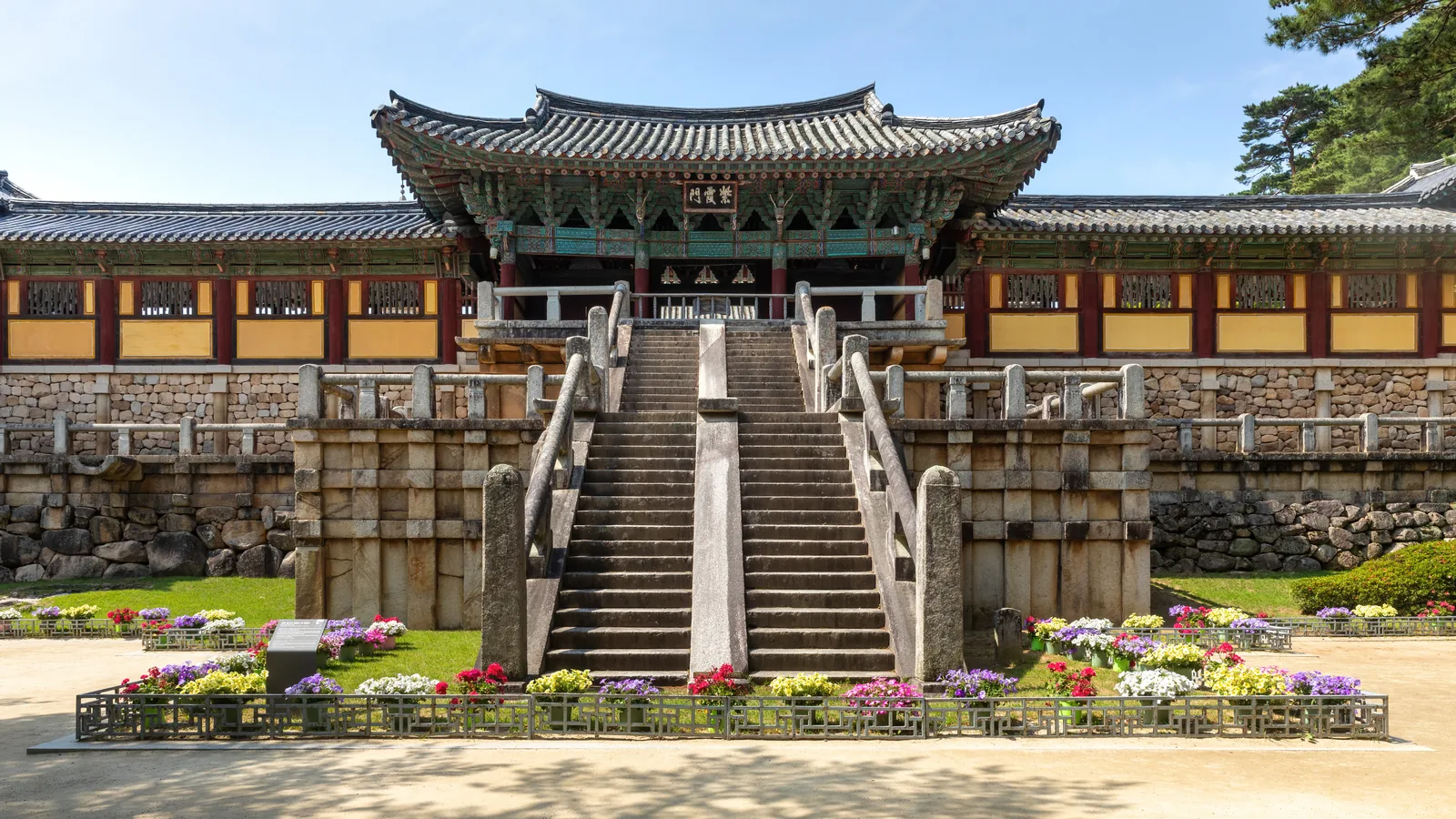
Seokguram is an artificial granite grotto on Tohamsan, with a central seated Buddha and surrounding sculptural figures. It is a remarkable eighth-century Buddhist ensemble, inscribed with Bulguksa on UNESCO’s World Heritage List. Archive interior photographs explain its art; they do not imply unrestricted access or permission to take interior photographs today.
Do not put Seokguram into the central-city walking loop. Travel to the Bulguksa area, then arrange the separate uphill road transfer to Seokguram and the final pedestrian approach. Check today’s bus service and last return connection; a taxi is an alternative, but agree on the return arrangement before starting.
National heritage visitor information lists free admission from May 2023. Parking is separate. For seasonal opening and entry cutoffs, use the temple’s own information or call 054-746-9933; older pages still quote an obsolete adult fee. Address: 238 Seokgul-ro.
Allow a half day for the temple area, with more time if combining both Seokguram and Bulguksa. A 45–75 minute Seokguram visit is only a planning allowance and excludes road travel and waiting. Wet or cold conditions can make the approach slippery. Follow the current photography and worship rules on site.
Seokguram exterior. Archive photograph: 2009-04-08 15:06. Full frame retained; resized and converted to WebP.
Photo credit & context
Seokguram exterior. Archive photograph: 2009-04-08 15:06. Full frame retained; resized and converted to WebP. · myllissa from Seoul, S. Korea / Wikimedia Commons · Source · CC BY 2.0
Seokguram Buddha and grotto
Seokguram Buddha and grotto. Archive photograph: 2000. Full frame retained; resized and converted to WebP. Heritage archive image, not a visitor access or photography permission.
Photo credit & context
Seokguram Buddha and grotto. Archive photograph: 2000. Full frame retained; resized and converted to WebP. Heritage archive image, not a visitor access or photography permission. · Han Seok-Hong / Cultural Heritage Administration (문화재청) / Wikimedia Commons · Source · KOGL Type 1
Seokguram exterior
Seokguram exterior. Archive photograph: 2022-10-06. Full frame retained; resized and converted to WebP.
Photo credit & context
Seokguram exterior. Archive photograph: 2022-10-06. Full frame retained; resized and converted to WebP. · Bernard Gagnon / Wikimedia Commons · Source · CC0 1.0
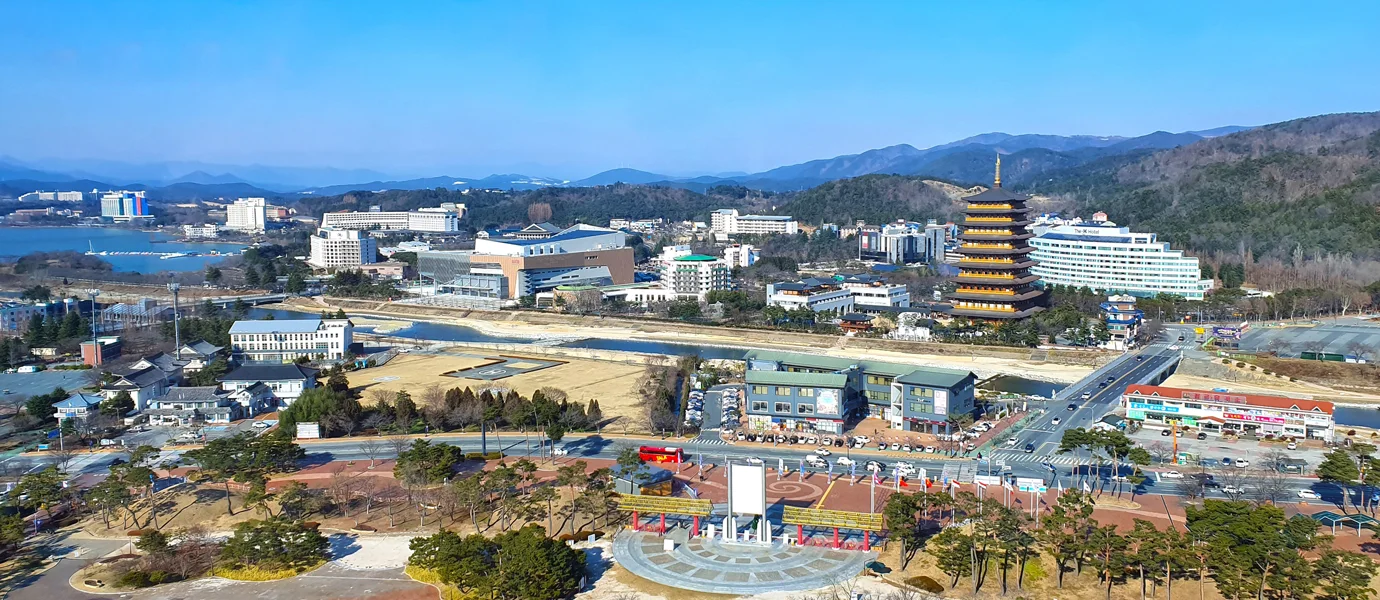
Bomun tourism district archive photo; not a hotel or room.
Photo credit & context
Bomun tourism district archive photo; not a hotel or room. · 경주시청 · Source · 공공누리 제1유형
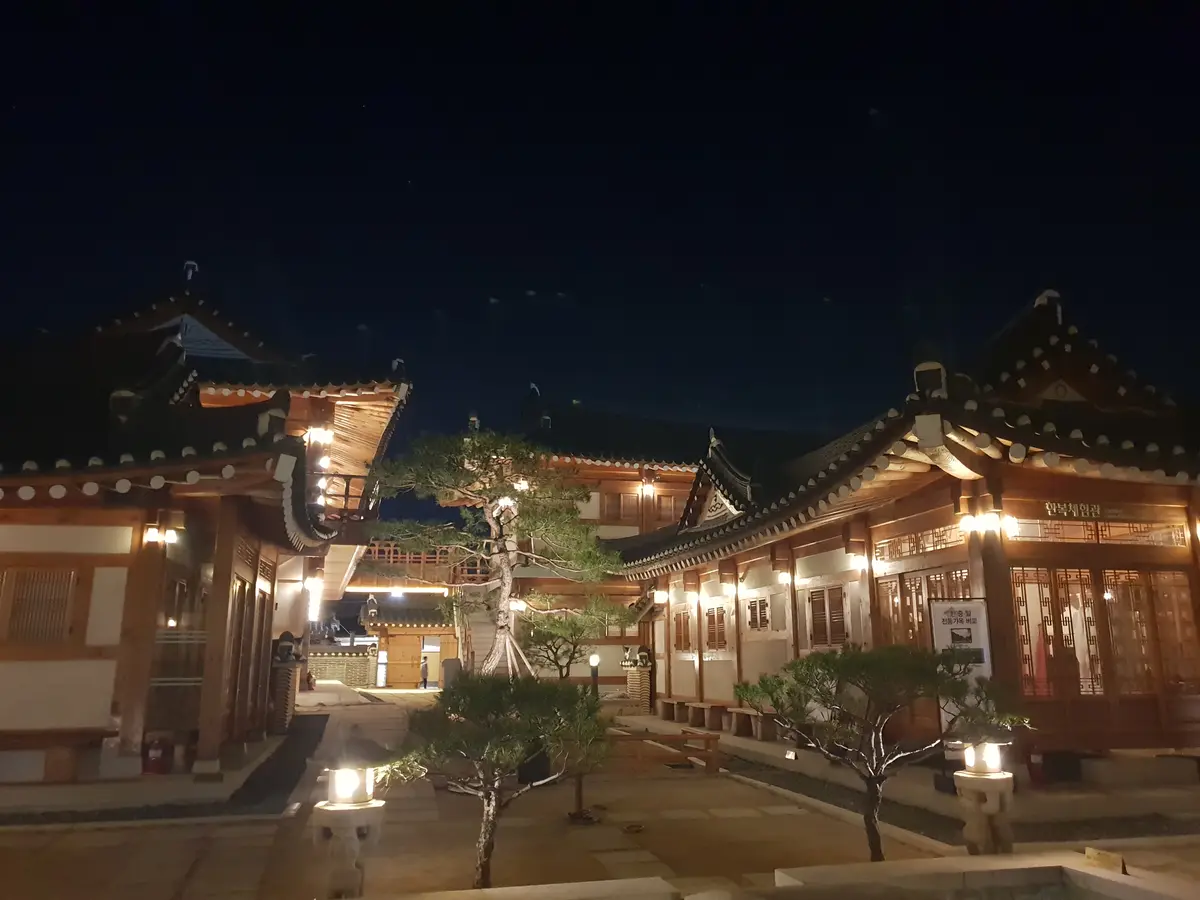
A Hwangnam-dong or Gyochon-area stay reduces the late-night transfer after the central heritage day. A Bomun-area hotel is a different base and needs separate transport. For a hanok room, check whether the bathroom is private, whether you sleep on a floor mattress or bed, and how luggage access works.
Hwangnamguan (황남관) is one named hanok accommodation option; the photographed courtyard below is identified as that actual property, not a generic illustration. Compare current room photographs, cancellation terms, check-in time and total price with the operator or booking provider. No fixed room rate or availability is promised here.
For the next Busan chapter, return to the present Gyeongju Station and reserve the appropriate onward train to Busan. Plan the city-centre → station transfer separately from the train journey. The linked Busan guide helps you choose your next base and local transport after arriving. Keep your train ticket and Busan lodging address ready before departing Gyeongju.
Bring walking shoes, a lightweight layer, rain protection, a battery pack, your booked train details and a saved Korean lodging address. Carry a small amount of cash as backup and verify card acceptance before ordering. For a temple visit, use respectful clothing and follow posted rules.
Photographs appear beside their relevant explanation and may repeat as map or card thumbnails. Full frames, individual sources and licences are retained. Food photographs are labelled by their actual subject.