ISLAND 28 OF 33 · JEJU & ITS SMALLER ISLANDS
제주도
Jeju
An island that deserves its own trip
Jeju offers enough variety for a full holiday: volcanic landscapes, coastal villages and inland scenery. Use it as the main destination, then choose smaller-island excursions that fit the weather.
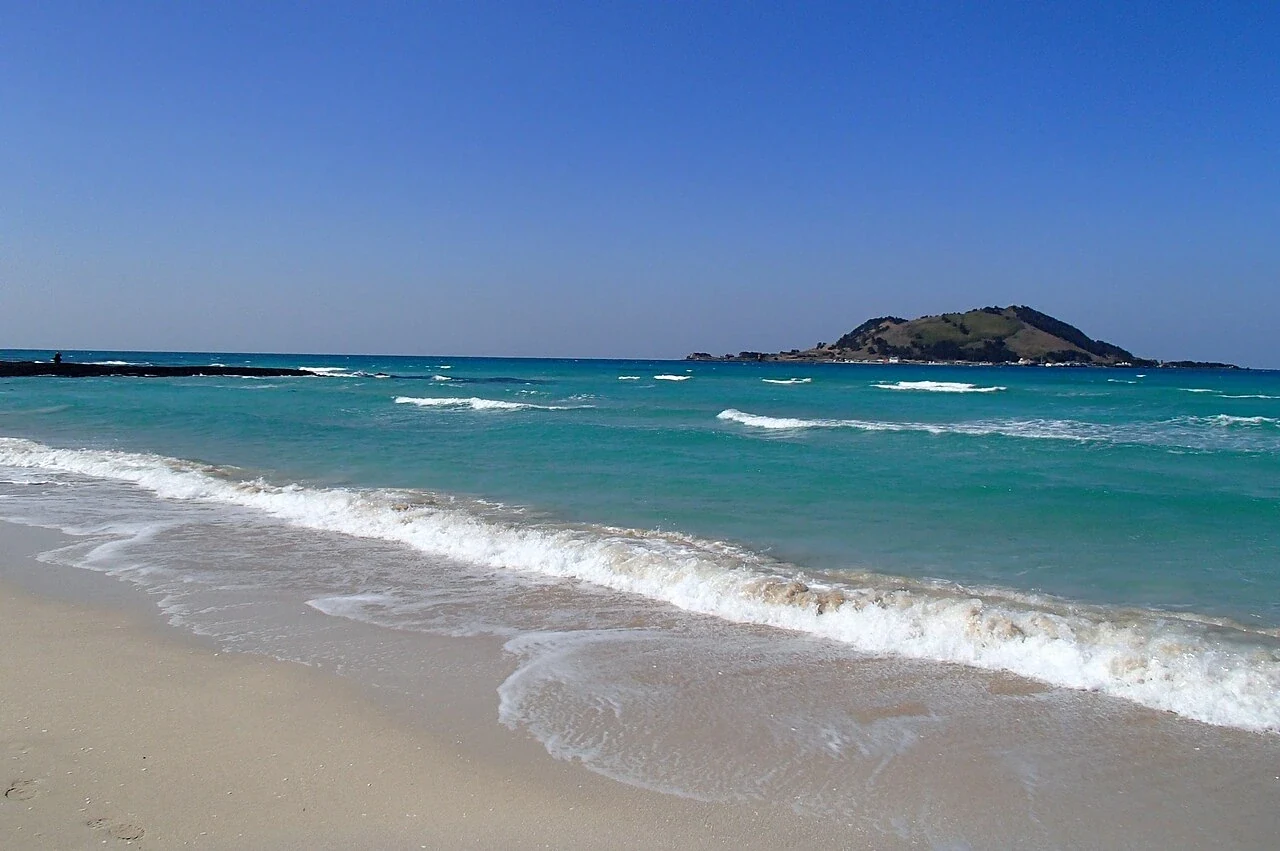
Photo credit & licence
Lcarrion88 · CC BY-SA 4.0 · Photo sourceFull photograph retained. Select to enlarge.BEFORE YOU COMMIT
Can you reach it without a ferry?
No — plan around a boat or flight.
Flights or passenger ferries; check the route suited to your starting point.
Schedules, terminals and sea conditions change. Treat the current operator’s ticket and notice—not an old blog—as the source of truth.
PHOTO JOURNAL
Jeju in photographs.
Open any photograph to see the larger, uncropped composition. Every image below includes its creator, source and reuse licence.
Photo credit & licence
Lcarrion88 · CC BY-SA 4.0 · SourceFull photograph retained. Select to enlarge.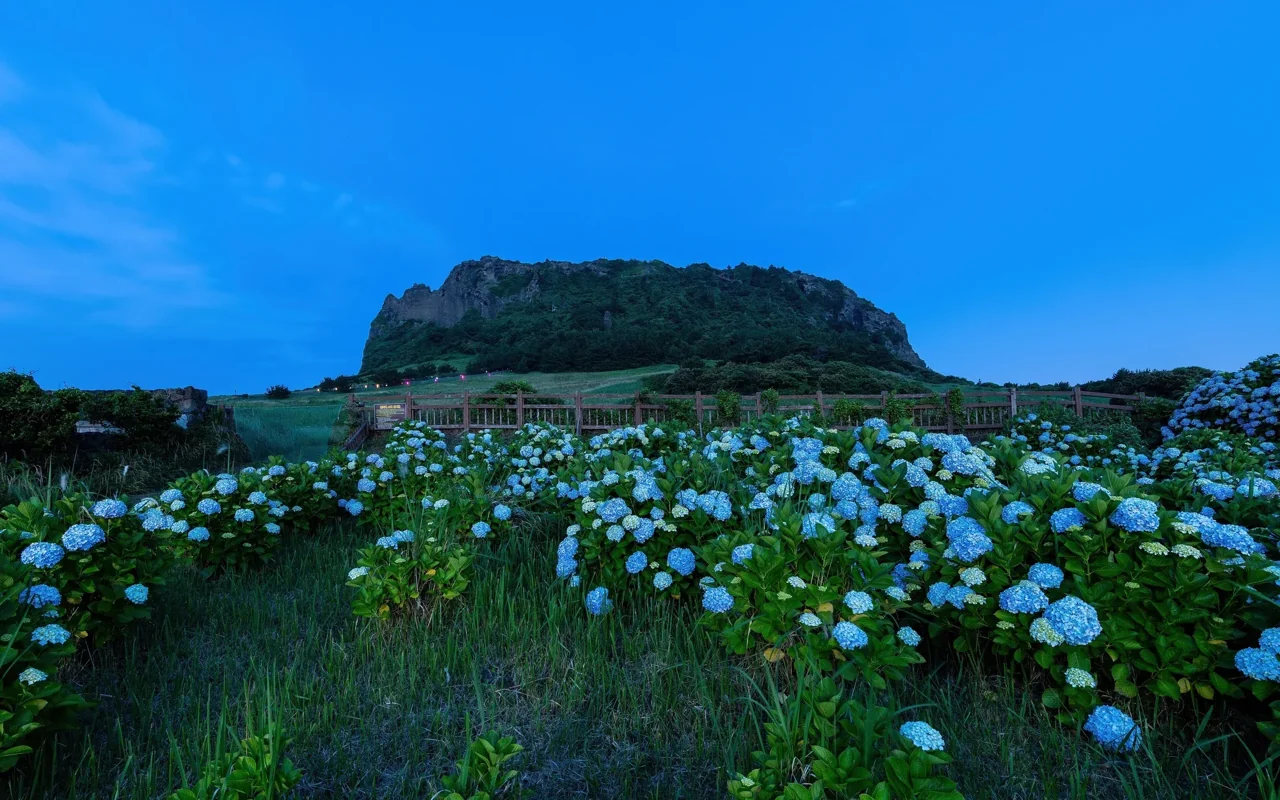
Photo credit & licence
Basile Morin · CC BY-SA 4.0 · SourceFull photograph retained. Select to enlarge.ARRIVING ALONE, STEP BY STEP
From “I’m going” to the correct island.
This is the sequence to follow when the route is unfamiliar. Complete each step before moving to the next.
Find the destination first
Search 제주도 on the official ferry site, then note every departure terminal offered.
Match the terminal exactly
Do not navigate to a city name alone. Copy the pier or passenger-terminal address shown by your operator.
Secure both directions
Confirm the return date and time before paying for activities or accommodation. Ask about photo ID and vehicle rules.
Plan the island side
Find out whether a bus, taxi, rental, pickup or walking route connects the arrival pier to your first stop.
A REALISTIC FIRST VISIT
Build one good day, not a checklist.
Base yourself in one part of the island, or split a longer stay between two areas to reduce daily travel.
Orient yourself at the pier, bus stop or first car park. Photograph the timetable or parking location.
Make the landscape in this guide your main experience. Add a local meal nearby, not another distant crossing.
Be back near the pier well before the operator’s boarding deadline.
MAPS & LIVE CHECKS
Open these before leaving your room.
Locate the island
Use the Korean name for the most reliable local results and to avoid similarly named places.
NAVER Map · English ↗KakaoMap · English ↗Google Maps ↗Google Maps →Check the actual sailing
Search the destination, then verify terminal, operator, outward and return legs.
KSA passenger-ferry search →Read the sea
Check the relevant coastal forecast. Wind and waves can change a boat trip even when rain looks unlikely.
KMA marine forecast →KHOA tide information →SLEEP & EAT
Search locally, then verify personally.
Small-island inventory changes quickly and English listings may be incomplete. Search in Korean, check recent reviews, and contact the property if arrival depends on a ferry or pickup.
Where to sleep
Choose a base near the part of the island you will actually explore; “on the island” can still mean a long drive.
NAVER Map · English ↗KakaoMap · English ↗Google Maps ↗What to eat
Look for a cluster near your route, then confirm opening hours the same day. On smaller islands, kitchens may close early or operate only when boats arrive.
NAVER Map · English ↗KakaoMap · English ↗Google Maps ↗WHEN SHOULD YOU GO?
Four seasons, four different trips.
Spring
Clear walking weather is possible, but strong wind can still alter boats and exposed-coast plans. Reserve transport first; add blossoms or barley fields only after the route is secure.
Summer
Heat, humidity and sudden rain make midday walking harder. Start early, carry water and keep typhoon-period bookings flexible. Swim only where local notices allow it.
Autumn
Often a comfortable season for coastal walks. Sunset becomes earlier quickly, so compare the last return sailing with your walking time before setting off.
Winter
Fewer sailings and rougher seas can turn a tight trip into a stranded night. Add a buffer day, warm layers and a mainland backup.
WHEN THE PLAN BREAKS
Have the answer before you need it.
Boat cancelled
Do not travel to a different port on assumption. Ask the operator whether the ticket is refunded, moved or reissued, then contact your accommodation.
Return missed
Call the operator first, then find a legal room near the arrival village. Never attempt an unlisted private crossing.
Tide or path closed
Turn back at the sign or barrier. Tide apps are planning aids; local closures and staff instructions control access.
No island transport
Reduce the route to a walkable area around the pier or first village. Do not start a long road walk without daylight, water and a return option.
FINAL CHECK
Six confirmations before departure.
- Correct island and Korean spelling: 제주도
- Exact terminal, pier, parking place or first bus stop
- Outward and return transport confirmed on the same itinerary
- Photo ID, boarding deadline and vehicle/baggage rules checked
- Island-side transport and accommodation contact saved offline
- Marine weather, local closure notices and emergency margin reviewed
TRUST THE CURRENT SOURCE
Official and live planning links
Routes, fares, opening arrangements and weather can change. These pages intentionally avoid promising a fixed timetable; verify the final trip with the operating company.